
Proper nutrition during the early stages of life is essential for the healthy growth and development of puppies and kittens.
A balanced diet plan for puppies and kittens ensures they receive the right mix of protein, fats, vitamins, and minerals to support strong bones, a robust immune system, healthy energy levels, and long term wellbeing.
Without adequate nutrition, young pets may experience stunted growth, weak immunity, or digestive issues that can affect their health for years.
This tutorial provides a practical, vet approved guide for creating effective feeding routines, covering portion sizes, nutrient requirements, and sample meal plans.
You’ll also discover tips on implementing a proper puppy feeding schedule and safe strategies for kittens based on kitten nutrition tips to promote optimal growth.
By following these recommendations, pet owners can ensure their furry companions receive the nourishment they need for a strong start in life.
This guide empowers you to make informed choices about meals and supplements, setting the foundation for a healthy, happy, and energetic pet.
Why a Balanced Diet Is Crucial for Puppies and Kittens
Early-life nutrition lays the foundation for a puppy or kitten’s lifelong health. A balanced diet plan for puppies and kittens provides essential
proteins, fats, carbohydrates, vitamins, and minerals that support healthy growth, strong bones, cognitive development, and a resilient immune system.
Proper nutrition also fuels energy levels, encourages healthy digestion, and promotes a shiny coat and overall wellbeing.
Without a carefully designed diet, young pets can experience a range of health issues. Poor nutrition may lead to
stunted growth, weak immunity, frequent illness, digestive upset, or low energy. Cognitive development can also be affected, making pets less alert and active.
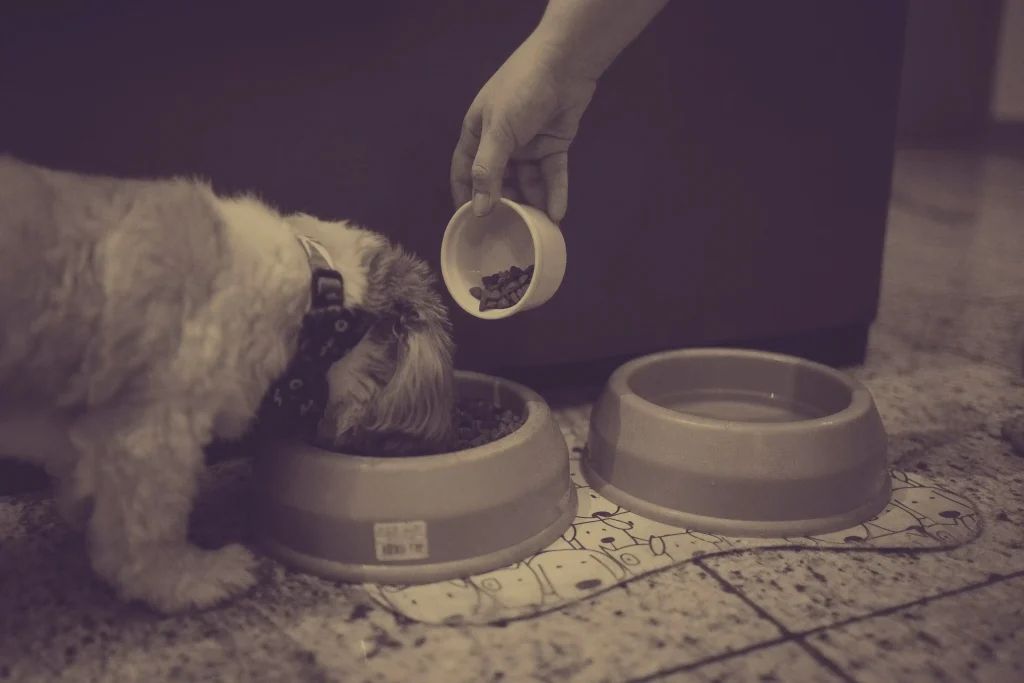
Signs Your Puppy or Kitten Needs Dietary Adjustment
- Slow growth or low energy: They seem lethargic or fail to gain weight appropriately.
- Poor coat condition: Dull, dry, or patchy fur may indicate nutrient deficiencies.
- Digestive problems or vomiting: Frequent diarrhea or upset stomach can signal imbalanced nutrition.
- Frequent illness: Low immunity may result in recurrent infections or colds.
Monitoring these signs and consulting a veterinarian ensures that your puppy or kitten receives the nutrients they need.
By following a balanced diet plan for puppies and kittens, you can prevent health problems and support optimal growth and development.
Essential Nutrients for a Healthy Puppy and Kitten Diet
A proper balanced diet plan for puppies and kittens relies on providing essential nutrients in the right proportions. Each nutrient plays a critical role in supporting growth, energy, and long term health:
🐟 Protein
Proteins are the building blocks of muscles, organs, and tissues. High quality sources such as chicken, turkey, and fish support healthy growth and repair, ensuring your young pet develops strong muscles and organs.
🥑 Fats
Fats provide concentrated energy and are essential for brain development. Ingredients like salmon oil and chicken fat supply omega fatty acids that promote cognitive function, healthy skin, and a glossy coat.
🌾 Carbohydrates
Carbohydrates from rice, oats, and sweet potatoes offer digestible energy and support a healthy digestive system. Fiber from these sources also promotes regular bowel movements and gut health.
💊 Vitamins & Minerals
Calcium, zinc, and DHA are crucial for strong bones, vision, and a robust immune system. Multivitamins or fortified foods can ensure that your pet receives all necessary micronutrients.
💧 Water
Hydration is critical for digestion, cellular health, and overall wellbeing. Always provide fresh, clean water alongside meals to keep puppies and kittens properly hydrated.
💡 Vet Tip:
“Always consult your veterinarian when planning meals for your young pets to ensure proper nutrition.”
By including these nutrients in the right balance, pet owners can create a balanced diet plan for puppies and kittens that supports healthy growth, energy, and long term vitality.
Vet Approved Meal Plans for Puppies and Kittens
Creating a balanced diet plan for puppies and kittens ensures that your young pets receive the right mix of nutrients for optimal growth and development.
Below are sample daily meal plans, including portion guidelines based on age and weight. Always consult your veterinarian to tailor meals for your pet’s specific needs.
Puppy Diet Example
Breakfast:
- ½ cup cooked chicken
- ¼ cup cooked rice
- 2 tablespoons steamed carrots
Lunch:
- Wet puppy food (1/3–1/2 cup depending on weight)
- DHA supplement for brain development
Dinner:
- ½ cup cooked turkey
- ¼ cup mashed sweet potato
Portion Guidelines by Weight:
- Small breed (5–20 lbs): 1–1.5 cups per day
- Medium breed (20–50 lbs): 2–3 cups per day
- Large breed (50+ lbs): 3–4 cups per day
Feed puppies 3–4 meals per day for proper digestion and energy distribution.
🐱 Kitten Diet Example
Breakfast:
- Wet kitten food (1/3 cup)
- ½ teaspoon salmon oil
Lunch:
- ¼ cup boiled fish
- 2 tablespoons pumpkin puree
Dinner:
- ¼ cup cooked chicken
- 2 tablespoons oatmeal
Portion Guidelines by Age:
- 2–3 months: 4 small meals per day
- 3–6 months: 3 meals per day, slightly larger portions
Include fresh water at every meal and occasional wet food for hydration.
Tips for Success
- Rotate proteins (chicken, turkey, fish) to provide variety and reduce allergy risk.
- Monitor weight and energy levels weekly to adjust portion sizes.
- Supplements like DHA or multivitamins can be included under vet guidance.
- Avoid overfeeding puppies and kittens need nutrient rich meals, not extra volume.
By following these vet approved meal plans, you provide a foundation for healthy growth, strong immunity, shiny coats, and proper cognitive development.
A consistent feeding schedule combined with balanced nutrition sets your puppy or kitten up for a long, healthy life.

How Often to Feed Puppies and Kittens for Optimal Growth
A proper balanced diet plan for puppies and kittens goes beyond ingredients consistent feeding schedules and correct portion sizes are essential for healthy growth.
Puppies and kittens have small stomachs and high energy needs, so meals should be frequent and appropriately sized.
| Pet Type | Meals/Day | Portion Tips |
|---|---|---|
| Puppy (2–3 months) | 4 meals | Small, frequent portions |
| Puppy (3–6 months) | 3 meals | Medium portions |
| Kitten (2–3 months) | 4 meals | Small, protein-rich |
| Kitten (3–6 months) | 3 meals | Gradually increase |
Feeding Tips:
- Puppies and kittens should receive meals at consistent times daily to regulate digestion and energy levels.
- Use measuring cups or a kitchen scale to ensure accurate portions based on age, breed, and weight.
- Avoid free-feeding; scheduled meals help prevent overeating and obesity.
Hydration:
- Always provide fresh, clean water alongside meals.
- Wet food can help supplement hydration, especially for kittens.
- Broth or diluted water may encourage reluctant eaters to drink more.
By following this schedule, you ensure that your young pets get consistent nutrition throughout the day, supporting healthy bones, cognitive development, and a strong immune system.
Proper meal timing and portion control are just as important as the balanced diet plan for puppies and kittens itself.
Mistakes Pet Owners Make When Feeding Young Pets
Even with the best intentions, pet owners can make mistakes that negatively affect the growth and health of puppies and kittens.
Avoid these common pitfalls to ensure your young pets thrive on a balanced diet plan for puppies and kittens:
1. Overfeeding or Free-Feeding
Leaving food out all day or giving extra portions can lead to obesity, digestive upset, and poor growth patterns.
Puppies and kittens require carefully measured meals to meet their energy needs without excess calories.
2. Feeding Adult Food Too Early
Adult pet food lacks the concentrated nutrients required for rapid growth. Feeding it too soon can result in nutrient deficiencies, slow development, or weak immunity.
3. Ignoring Hydration
Water is crucial for digestion, kidney function, and overall health. Skipping hydration can lead to dehydration and digestive issues.
4. Skipping Vet Consultation
Each puppy or kitten has unique needs based on breed, size, and health status. Avoid guessing portions or supplementing without professional guidance.
💡 Vet Warning:
“Never guess portions always follow a vet approved feeding plan to avoid nutritional imbalances.”
By recognizing and avoiding these mistakes, you help ensure your puppy or kitten grows strong, energetic, and healthy, following a proper balanced diet plan for puppies and kittens.
Final Thoughts on a Balanced Diet Plan for Puppies and Kittens
Proper nutrition is the foundation for a puppy or kitten’s healthy growth, strong immunity, and overall long-term wellbeing.
A carefully structured diet supports cognitive development, healthy bones, a shiny coat, and stable energy levels.
By following portion guidelines, feeding schedules, and nutrient rich meal plans, pet owners can help their young pets reach their full potential.
Implementing a balanced diet plan for puppies and kittens should be gradual and monitored, adjusting portions and ingredients based on weight, age, and activity level.
Regular veterinary checkups are essential to ensure your pet’s nutritional needs are being met and to prevent deficiencies or health issues.
“Want your puppy or kitten to thrive? Start with this balanced diet plan for puppies and kittens and give your young pet the nutrition they need for a healthy start.”
By following these guidelines and consulting with a veterinarian, you can set the stage for a strong, healthy, and happy life for your furry companion.
A consistent, vet approved approach ensures your puppy or kitten grows into a vibrant, energetic adult pet.


