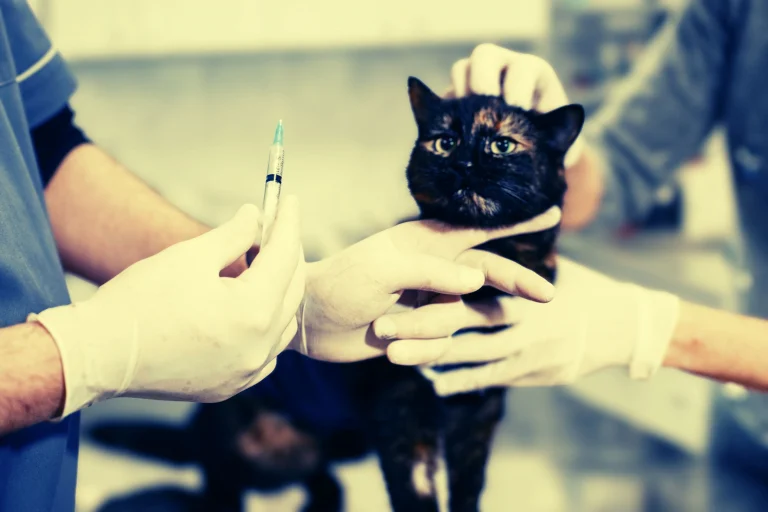
Pets are more than companions they’re family.
Just like humans, pets benefit from proper nutrition and targeted supplementation to stay healthy and active.
In 2025, the trend of natural supplements for pets has grown exponentially, with owners seeking safer, more holistic ways to support their furry friends’ joints, digestion, immune system, and coat quality.
While commercial pet foods provide essential nutrients, they may not always cover every specific health need.
That’s where vet approved natural supplements come in herbal remedies, omega 3 fatty acids, probiotics, and multivitamins can complement a balanced diet and promote overall wellness.
Choosing the right supplements can be overwhelming, especially with the surge of options on the market.
This guide simplifies the process, offering expert backed advice to help pet owners make informed choices.
By the end of this tutorial, you’ll understand which supplements are beneficial, how to introduce them safely, and what common mistakes to avoid.
Whether you’re looking to enhance your dog’s joint flexibility, improve your cat’s coat shine, or support your pet’s digestion, these tips provide a practical roadmap to better health.

Why Natural Supplements Can Boost Your Pet’s Health in 2025
As pets age or encounter specific health challenges, their bodies may need extra support beyond a standard diet.
Natural supplements for pets offer a safe and effective way to enhance overall wellness without relying solely on synthetic chemicals or medications.
These supplements are often derived from herbal, plant based, or whole food sources, providing holistic benefits such as improved joint flexibility, stronger immune function, better digestion, and healthier skin and coat.
Unlike synthetic supplements, natural options generally carry fewer side effects and are easier for pets to tolerate over the long term.
They can be particularly useful for aging pets experiencing joint stiffness or for those with digestive sensitivities, food allergies, or immune system concerns.
Additionally, natural supplements can complement preventive care routines recommended by veterinarians, ensuring pets maintain optimal health and vitality.
Signs Your Pet May Benefit from Supplements
- Joint stiffness or arthritis, especially in older dogs and cats
- Dull coat, hair loss, or skin dryness
- Digestive upset, diarrhea, or low appetite
- Low energy, lethargy, or reluctance to play
Recognizing these signs early allows pet owners to introduce appropriate supplements in consultation with their veterinarian, enhancing health outcomes and preventing minor issues from developing into chronic problems.
Key Natural Supplements for Pets
Providing your pet with a balanced diet is essential, but sometimes extra support is needed to maintain optimal health.
Natural supplements for pets can target specific areas such as joint function, digestion, immunity, and coat quality. Here’s a breakdown of the most effective options:
Omega 3 Fatty Acids Joint & Coat Health
Omega 3s, found in fish oil or flaxseed, support healthy joints and reduce inflammation.
They also improve skin condition and add shine to your pet’s coat.
Probiotics Digestion & Gut Flora
Probiotics maintain a healthy balance of gut bacteria, aiding digestion and nutrient absorption.
They are especially helpful for pets with sensitive stomachs or a history of digestive issues.
Glucosamine & Chondroitin Joint Support
These supplements strengthen cartilage, improve joint flexibility, and reduce discomfort associated with arthritis or aging. Ideal for senior dogs and cats.
Herbal Extracts Turmeric, Ginger for Inflammation
Natural anti inflammatory herbs like turmeric and ginger can help manage mild inflammation, support immune health, and contribute to overall vitality.
Vitamins & Minerals Multivitamins for Overall Wellness
Multivitamins ensure pets get essential nutrients that may be missing from their diet.
Vitamins like A, E, and B complex, along with minerals such as zinc and selenium, help maintain immunity, skin health, and energy levels.
💡 Vet Tip:
“Always consult your veterinarian before introducing new supplements to ensure safety and proper dosing.”

How to Safely Introduce Supplements to Your Pet
Introducing natural supplements for pets requires careful planning to ensure safety and effectiveness.
Sudden changes can cause digestive upset or allergic reactions, so a gradual approach is essential.
Tips for Safe Introduction
- Gradual Introduction: Start with small doses and slowly increase to the recommended amount over 5–7 days. This helps your pet’s digestive system adjust.
- Monitor for Allergic Reactions: Watch for vomiting, diarrhea, itching, or unusual behavior. Stop the supplement immediately and consult your veterinarian if any issues arise.
- Correct Dosage by Weight & Age: Always follow the vet’s guidance on dosing. Puppies, kittens, and senior pets often require adjusted amounts.
- Combine with a Balanced Diet: Supplements are meant to complement, not replace, a nutritious diet. Ensure your pet receives high quality food alongside supplementation.
Sample Daily Supplement Schedule
- Morning: Omega 3 fatty acids for joint and coat health
- Midday: Multivitamin to cover essential nutrients
- Evening: Probiotic to support digestion and gut flora
By following this step by step plan, pet owners can safely integrate supplements into their pets’ routines, improving overall health without risking side effects.
Regular monitoring and vet consultations will maximize the benefits of natural supplementation.
Common Mistakes Pet Owners Make with Natural Supplements
While natural supplements for pets can offer significant health benefits, mistakes in their use can cause more harm than good.
Understanding these common pitfalls ensures your furry friends stay safe and healthy.
- Over-Supplementing: Giving too many supplements or excessive doses can strain organs, disrupt nutrient balance, and cause toxicity. More is not always better.
- Using Human Supplements: Many human vitamins or herbal products contain ingredients harmful to pets or doses inappropriate for their size and metabolism.
- Ignoring Vet Guidance: Failing to consult a veterinarian before starting supplements may lead to unsafe combinations or neglect underlying health issues.
- Relying on Supplements Instead of Proper Diet: Supplements should complement a balanced diet, not replace it. High quality food remains the foundation of your pet’s health.
💡 Vet Warning:
“Never give human supplements to pets without consulting a veterinarian dosage and ingredients may be harmful.”
By avoiding these errors, pet owners can safely maximize the benefits of natural supplementation and maintain overall wellness.
Final Thoughts on Natural Supplements for Pets
Incorporating natural supplements for pets can significantly improve your furry friend’s health, supporting joints, digestion, immunity, and a shiny, healthy coat.
When introduced gradually, monitored carefully, and combined with a balanced diet, supplements can be a safe and effective way to enhance overall wellness.
Tracking your pet’s response is essential. Keep a simple journal of diet changes, supplement intake, and observed improvements or side effects.
Regular veterinary consultations ensure that the supplements you choose are appropriate for your pet’s age, weight, and health condition.