Parvovirus is one of the most serious viral infections that can affect puppies, known for its highly contagious nature and potentially life threatening symptoms.
Young dogs, especially those under six months or not fully vaccinated, are particularly vulnerable.
While immediate veterinary care is crucial for survival, pet owners can provide parvovirus treatment for puppies at home through supportive measures that help maintain hydration, nutrition, and comfort under professional guidance.
In 2025, more puppy owners are learning about safe puppy parvo home care, combining vet oversight with practical at home strategies to improve recovery outcomes.
From managing vomiting and diarrhea to providing gentle, easily digestible meals, supportive care for parvovirus can make a significant difference in your puppy’s comfort and healing.
This tutorial will guide you step by step through vet approved home care practices, helping you recognize symptoms early, offer proper supportive care, and ensure your puppy has the best chance of a full recovery.
Understanding Parvovirus in Puppies
Parvovirus is a highly contagious viral infection that primarily affects puppies, causing severe gastrointestinal distress and, in some cases, life threatening complications.
Puppies are particularly vulnerable because their immune systems are still developing, and unvaccinated young dogs lack protective antibodies.
The virus spreads through direct contact with infected feces, contaminated surfaces, or even humans who carry the virus on their hands or clothing.
The incubation period for parvovirus typically ranges from 3 to 7 days, during which puppies may appear healthy but can already be shedding the virus.
Early recognition and parvovirus treatment for puppies at home, combined with immediate veterinary care, are crucial for improving survival chances. With timely intervention, supportive care, and proper hygiene, many puppies recover fully.
Common Symptoms of Parvovirus in Puppies
- Vomiting
- Bloody diarrhea
- Lethargy
- Loss of appetite
- Fever
Risk Factors
- Unvaccinated puppies
- Puppies in crowded or unsanitary environments
- Age under 6 months
Recognizing these signs early allows owners to implement puppy parvo home care measures safely while seeking professional veterinary guidance.
Prompt action can significantly improve prognosis and reduce the risk of severe dehydration and secondary infections.
Immediate Steps for Parvovirus Treatment at Home
While veterinary care is essential, parvovirus treatment for puppies at home can provide supportive care to improve recovery outcomes.
These measures are meant to complement professional treatment, not replace it. Prompt and careful home care can help manage symptoms, prevent dehydration, and reduce the risk of secondary infections.
Hydration Management
Dehydration is a major risk for puppies with parvovirus due to vomiting and diarrhea. Offer small, frequent sips of water or veterinary recommended oral rehydration solutions.
Signs of severe dehydrationsuch as sunken eyes, sticky gums, or lethargy require immediate veterinary attention.
Nutritional Support
Once vomiting is controlled, provide easily digestible, bland meals in small portions. Options include boiled chicken and rice or commercial gastrointestinal diets recommended by your vet.
Feeding in small amounts helps prevent further gastrointestinal upset while supporting energy and nutrient intake.
Hygiene and Isolation
Parvovirus is highly contagious. Disinfect bedding, food bowls, and surfaces with a pet-safe sanitizer to prevent spreading the virus to other dogs.
Keep the infected puppy isolated from other pets until a veterinarian confirms recovery.
These home measures, when combined with veterinary supervision, can greatly enhance a puppy’s chances of recovery.
Consistent monitoring and careful care are key components of puppy parvo home care and overall supportive care for parvovirus.
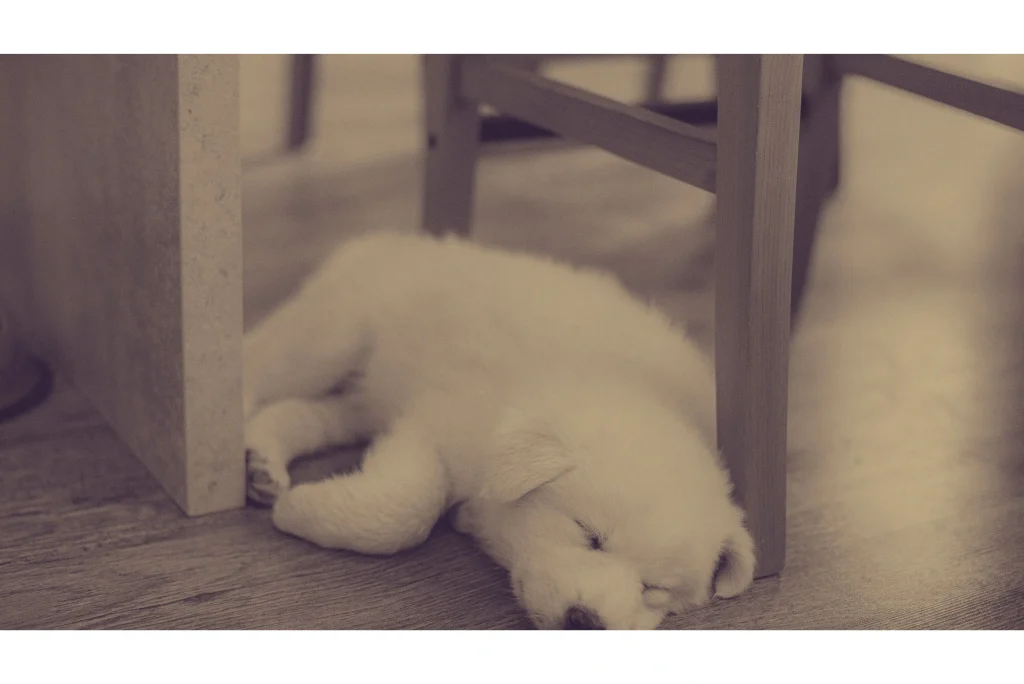
When to Seek Immediate Veterinary Care
While parvovirus treatment for puppies at home can support recovery, some situations require urgent veterinary intervention.
Delaying professional care can lead to severe complications or even become life-threatening. Puppy owners should monitor their pets closely and act immediately if warning signs appear.
Emergency Red Flags
- Persistent vomiting or diarrhea: Continuous fluid loss can rapidly cause dehydration and electrolyte imbalance.
- Severe dehydration: Signs include sunken eyes, dry gums, lethargy, and weak pulse. Immediate vet attention is critical.
- High fever: Elevated body temperature may indicate infection or systemic stress requiring professional management.
- Weakness or collapse: Extreme fatigue or inability to stand signals a serious decline in health that cannot be managed at home.
Always err on the side of caution if a puppy shows any of these red flags, contact your veterinarian immediately.
Even with diligent home care, supportive care for parvovirus is most effective when paired with professional treatment. Prompt action improves survival rates and ensures the best chance for a full recovery.
Preventing Parvovirus in Puppies
Preventing parvovirus is far easier and safer than treating it. While parvovirus treatment for puppies at home focuses on supportive care, the best strategy is proactive prevention.
Puppy owners can significantly reduce the risk of infection through vaccination, hygiene, and careful socialization practices.
Preventive Measures
- Vaccination schedule: Ensure puppies receive their core vaccines on time, starting at 6–8 weeks of age, with boosters as recommended by your veterinarian.
- Avoid exposure to unknown dogs: Limit contact with unvaccinated or stray dogs, especially in public areas or crowded spaces.
- Clean living environments: Regularly disinfect bedding, feeding areas, and toys to reduce viral contamination.
- Boost immunity through diet: Provide a balanced, nutrient rich diet to support the immune system, making puppies more resilient to infections.
💡 Vet Tip:
“Prevention is always safer than treatment vaccinate early and maintain hygiene.”
By combining vaccination, safe socialization, and proper environmental care, you can dramatically reduce the likelihood of parvovirus.
Even puppies receiving puppy parvo home care benefit from strong preventive practices, ensuring a healthier start to life.
Home Monitoring and Follow Up Care for Puppies with Parvovirus
While parvovirus treatment for puppies at home provides supportive care, careful monitoring and regular vet follow up are essential for a full recovery.
Tracking your puppy’s progress helps detect any complications early and ensures timely veterinary intervention if needed.
Recovery Tracking Tips
- Record food, water intake, and stool consistency: Monitor small, frequent meals and hydration levels to ensure your puppy is absorbing nutrients and staying hydrated.
- Note energy levels and behavior: Watch for signs of lethargy, weakness, or worsening symptoms, which may indicate the need for immediate veterinary attention.
- Communicate observations with your veterinarian: Keep a detailed log of your puppy’s condition and share updates with your vet during follow up visits to adjust treatment plans if necessary.
Final Thoughts on Parvovirus Treatment for Puppies at Home
Parvovirus is a serious and highly contagious illness that can affect puppies rapidly. While veterinary care remains essential, parvovirus treatment for puppies at home provides vital supportive measures to improve recovery outcomes.
Early detection, proper hydration, nutrition, and hygiene are key to helping your puppy fight the virus safely under professional guidance.
Preventive steps, such as timely vaccination, maintaining a clean environment, and careful socialization, are equally important to reduce the risk of infection.
Monitoring your puppy’s food intake, hydration, energy, and stool consistency, and keeping detailed notes to share with your veterinarian, ensures that recovery stays on track.
💡 Vet Tip:
Supportive home care is valuable, but always follow your veterinarian’s instructions for treatment and follow up visits.