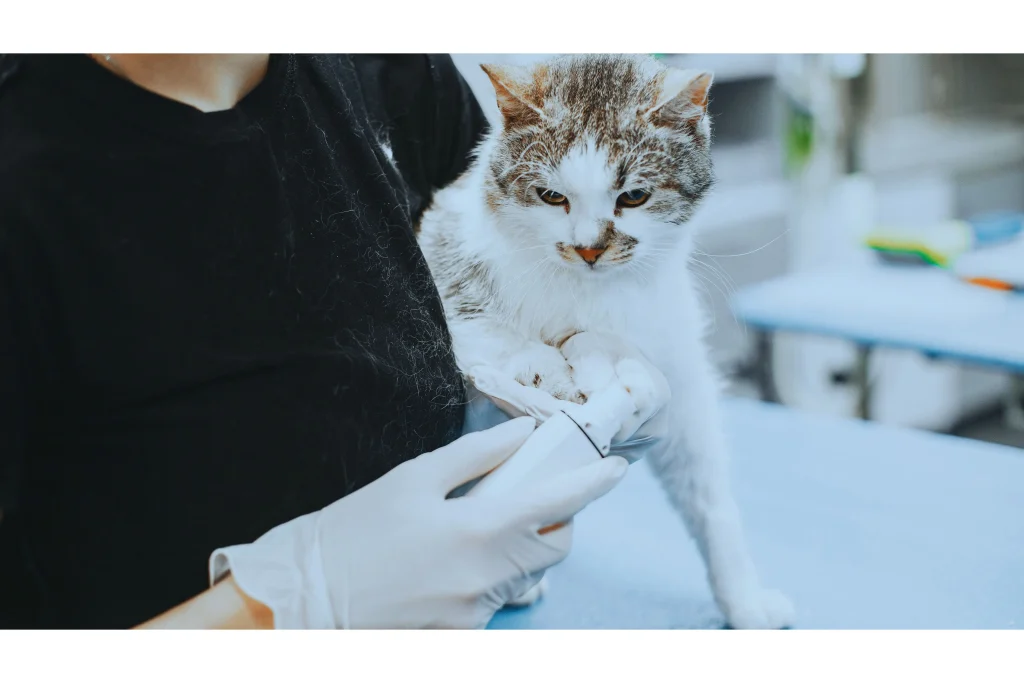
Feline leukemia is a serious viral disease that affects cats of all ages, though kittens and unvaccinated cats are especially vulnerable.
Often abbreviated as FeLV, this infection compromises a cat’s immune system, making them more prone to secondary illnesses and reducing overall life expectancy.
Recognizing feline leukemia symptoms and prevention measures early can make a significant difference in your cat’s health and quality of life.
While there is no complete cure for FeLV, timely veterinary care combined with preventive strategies can help protect your cat and slow disease progression.
From understanding early warning signs like lethargy, loss of appetite, and recurring infections to implementing safe vaccination and hygiene practices, cat owners can take meaningful steps to safeguard their pets.
This guide provides a comprehensive, vet approved approach to identifying feline leukemia symptoms and prevention methods.
You’ll learn how to spot early indicators, support your cat’s immune system, and reduce the risk of transmission in multi cat households.
Whether you own a curious kitten or an adult indoor cat, these practical tips are designed to help every cat thrive while minimizing the impact of this dangerous virus.

Understanding Feline Leukemia Virus (FeLV)
Feline leukemia virus (FeLV) is a contagious retrovirus that targets a cat’s immune system, leaving them vulnerable to infections, anemia, and even certain cancers.
Recognizing feline leukemia symptoms and prevention starts with understanding how this virus spreads and which cats are most at risk.
FeLV is particularly dangerous because infected cats can appear healthy for weeks or months, yet silently transmit the virus to others.
Transmission Routes
- Direct Contact with Infected Cats: Grooming, fighting, or prolonged social contact can spread FeLV.
- Contaminated Food Bowls or Litter: Sharing bowls or litter boxes with infected cats increases exposure risk.
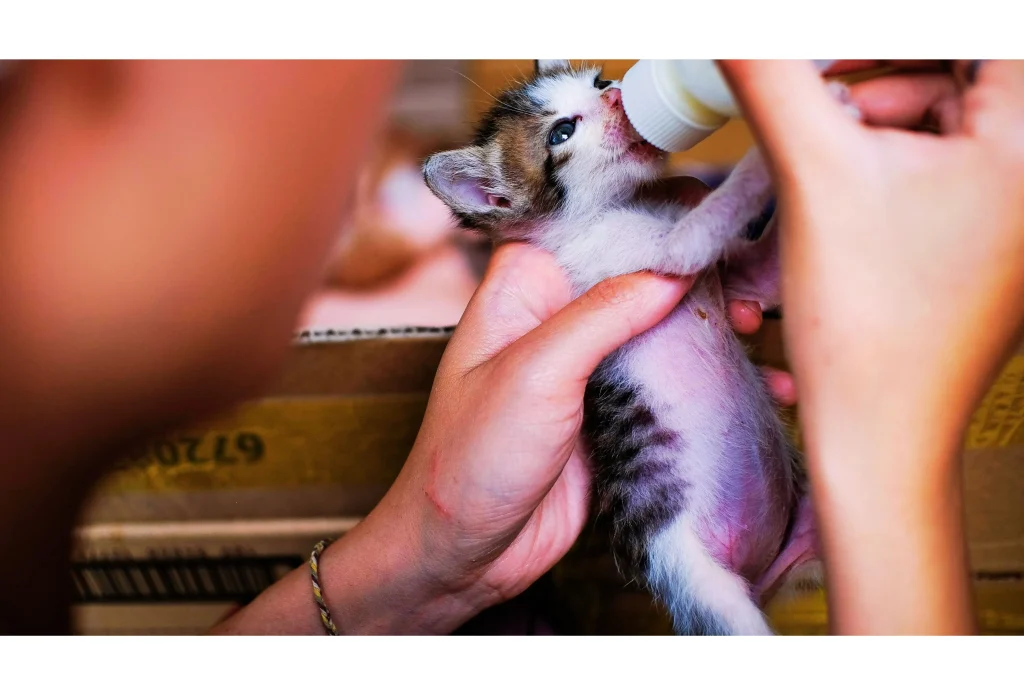
- Mother to Kitten Transmission: Pregnant cats with FeLV can pass the virus to their kittens in utero or through nursing.
High Risk Cats
- Outdoor Cats: Free roaming cats are more likely to encounter infected felines.
- Unvaccinated Kittens: Young cats without vaccination are highly susceptible to infection.
- Multi-Cat Households: Living with an infected cat increases the likelihood of transmission.
The virus has an incubation period ranging from a few weeks to several months.
While some cats may remain carriers without showing symptoms, others develop serious illness rapidly. Early detection, vaccination, and preventive measures are crucial for reducing risk and managing the health of exposed cats.
Understanding these aspects lays the foundation for recognizing feline leukemia symptoms and prevention strategies effectively.
Common Feline Leukemia Symptoms
Recognizing feline leukemia symptoms and prevention starts with identifying the early warning signs.
FeLV can progress slowly, so spotting subtle changes in your cat’s health is critical for timely veterinary care.
Early detection improves prognosis and helps prevent the spread of the virus to other cats.
Early Warning Signs
- Lethargy: Your cat may appear unusually tired or less active than normal.
- Loss of Appetite: Refusal to eat or decreased interest in food can indicate infection.
- Fever: A mild or fluctuating fever may be present as the immune system responds to the virus.
- Swollen Lymph Nodes: Enlarged lymph nodes in the neck, underarms, or groin can signal immune system involvement.
Advanced Symptoms
- Weight Loss: Unexplained or rapid weight loss often develops as the disease progresses.
- Persistent Infections: Cats with FeLV are more susceptible to recurring respiratory, urinary, or skin infections.
- Pale Gums or Anemia: A reduction in red blood cells can result in noticeable paleness in the gums and overall weakness.
- Behavioral Changes: Increased irritability, hiding, or unusual aggression may appear as the cat’s health declines.
Monitoring these signs closely and consulting your veterinarian immediately can make a significant difference.
Understanding the full spectrum of feline leukemia symptoms and prevention allows cat owners to act early, improving the chances of effective management and care.
Diagnosis and Vet Care
Early detection is crucial when managing feline leukemia symptoms and prevention. Timely veterinary evaluation not only helps confirm the presence of FeLV but also enables cat owners to implement preventive measures to protect other pets and manage the infected cat’s health effectively.
Common Diagnostic Tests
- ELISA Blood Test: This rapid in-clinic test detects FeLV antigens in the blood, providing an initial screening.
- IFA Test for Confirmation: Conducted in a laboratory, the Immunofluorescence Assay (IFA) confirms ELISA results and helps determine the stage of infection.
Role of the Veterinarian
- Monitoring Health Progression: Regular check ups allow your vet to track the cat’s immune function, weight, and overall well being.
- Vaccination Guidance: Veterinarians advise on FeLV vaccination schedules for at risk cats and other preventive vaccinations.
- Supportive Care Recommendations: Depending on the cat’s condition, vets may suggest dietary adjustments, supplements, or treatments to manage secondary infections and maintain quality of life.
Working closely with a veterinarian ensures that FeLV positive cats receive appropriate care while minimizing the risk to other cats in the household.
Recognizing and responding to feline leukemia symptoms and prevention strategies early is key to improving long term outcomes.
Preventing Feline Leukemia
Taking proactive steps can significantly reduce the risk of feline leukemia symptoms and prevention concerns. Early vaccination, controlled environments, and proper hygiene are the cornerstones of keeping your cat safe from FeLV.
Vaccination
- Follow the recommended FeLV vaccination schedule for kittens and adult cats.
- Vaccination is especially critical for cats with outdoor access or those living in multi cat households.
Lifestyle Measures
- Keep cats indoors or limit outdoor exposure to reduce contact with potentially infected cats.
- Avoid letting your cat share food or water bowls with unknown cats to prevent transmission.
Hygiene and Environment
- Clean litter boxes, bedding, and feeding areas regularly to minimize viral spread.
- Isolate infected cats from healthy ones to protect the rest of your household.
💡 Vet Tip:
“Prevention through vaccination and safe living environments is the most effective defense against feline leukemia.”
By combining these vet-approved strategies, cat owners can drastically lower the likelihood of FeLV infection while promoting overall feline health.
Staying vigilant about vaccination, lifestyle, and hygiene ensures that your cat remains protected against feline leukemia symptoms and prevention risks.
Caring for Cats with FeLV
Providing supportive care at home is crucial for maintaining the quality of life for cats diagnosed with feline leukemia symptoms and prevention concerns.
While there is no cure, proper nutrition, regular veterinary oversight, and a stress-free environment can help infected cats live comfortably for as long as possible.
Nutrition and Supplements
- Offer high quality protein diets to support overall health and energy.
- Incorporate immune boosting supplements only under veterinary guidance to strengthen defenses against infections.
Regular Vet Checkups
- Schedule frequent veterinary visits to monitor for secondary infections or complications.
- Adjust care plans as the disease progresses, including medications or dietary modifications recommended by your vet.
Emotional and Environmental Support
- Provide a calm, stress free environment to minimize triggers that may weaken immunity.
- Separate infected cats from healthy cats when necessary to prevent transmission.
Final Thoughts on Feline Leukemia Symptoms and Prevention
Feline leukemia is a serious and potentially life threatening disease, but understanding feline leukemia symptoms and prevention can make a significant difference in your cat’s health.
Early detection, timely veterinary care, and adherence to vaccination schedules are key to protecting your feline companion. Preventive measures such as keeping cats indoors, maintaining a clean environment, and avoiding contact with infected cats greatly reduce the risk of transmission.
Even for cats diagnosed with FeLV, supportive care including proper nutrition, immune support, and regular vet checkups can help maintain quality of life.
Monitoring your cat’s health closely and consulting a veterinarian at the first signs of illness ensures timely intervention and better outcomes.