Shedding is a natural process that helps pets get rid of old or damaged hair, but when it becomes excessive, it can signal deeper issues such as poor nutrition, stress, or inadequate grooming.
Understanding the root causes and applying the right care routine can make a world of difference.
In this 2025 vet approved guide on how to reduce pet shedding naturally, you’ll discover safe and effective ways to keep your home fur free while improving your pet’s overall health.
From natural shedding remedies and dietary improvements to proper brushing techniques and hydration tips, each strategy focuses on promoting a healthier coat from the inside out.
Whether you’re looking to reduce dog shedding at home or explore cat shedding solutions, these natural methods can help minimize hair loss without relying on harsh chemicals or expensive treatments.
With consistent care and the right approach, you can support your furry friend’s comfort and keep your space cleaner, too.

Understanding Why Pets Shed
Shedding is a natural and essential process in every pet’s life. It allows dogs and cats to remove old, damaged, or excess fur, helping their coats stay healthy and insulating them from changing weather.
Most pets shed seasonally typically more in spring and fall as their bodies adjust to temperature shifts.
However, the amount and frequency of shedding can also depend on factors like breed, age, diet, and overall health.
A balanced coat renewal cycle ensures your pet’s skin can breathe and regenerate new, strong hair.
When shedding becomes excessive, it’s often a sign that something deeper is affecting your pet’s well being.
Poor nutrition, stress, allergies, or underlying skin issues can all trigger unusual hair loss.
Understanding these root causes can help you take preventive measures early on, ensuring your furry companion remains healthy, comfortable, and confident.
Normal vs. Excessive Shedding
Some shedding is completely normal especially during seasonal coat changes or after bathing and brushing.
You can identify normal shedding by evenly distributed hair loss without bald spots or irritated skin.
However, excessive shedding often includes warning signs like patchy fur, redness, itching, dandruff, or visible discomfort.
Persistent over shedding should prompt a vet consultation to rule out nutritional or medical issues.
Common Causes of Shedding
- Nutritional Deficiencies: Lack of essential fatty acids, vitamins, or protein can weaken hair follicles.
- Stress and Anxiety: Changes in environment, routine, or companionship may increase shedding.
- Allergies or Skin Infections: Fleas, pollen, or food allergies can irritate the skin and lead to hair loss.
How to Reduce Pet Shedding Naturally
Managing shedding doesn’t have to be complicated or costly.
By following a few natural, vet approved steps, you can help your pet maintain a shiny, healthy coat while minimizing excess fur around your home.
Each of these steps focuses on improving your pet’s internal health, coat condition, and emotional well-being for long term results.
1 Improve Diet Quality
A pet’s coat health begins from the inside. Ensure your dog or cat’s diet includes omega 3 and omega 6 fatty acids, which are essential for reducing inflammation and promoting a glossy coat.
Foods like salmon, sardines, or flaxseed oil are excellent sources of these nutrients. Alongside healthy fats, include lean proteins and ensure their meals are balanced with essential vitamins and minerals such as zinc, biotin, and vitamin E.
These nutrients strengthen hair follicles and minimize breakage, helping reduce shedding from the root.
2 Regular Grooming Routine
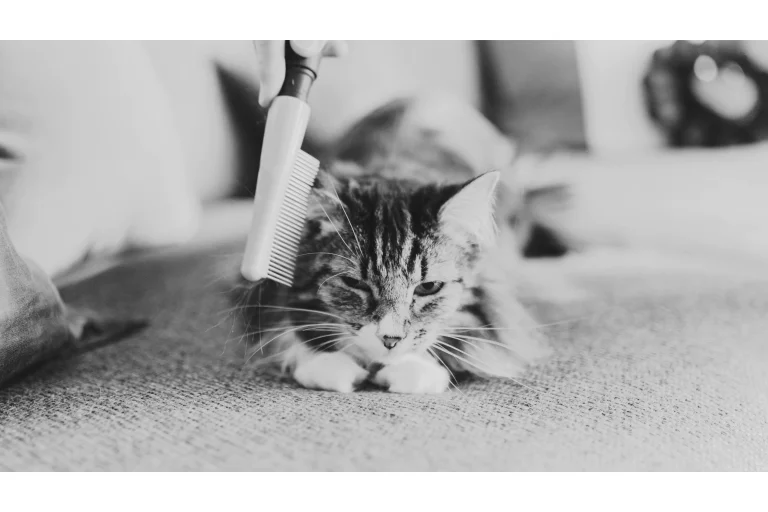
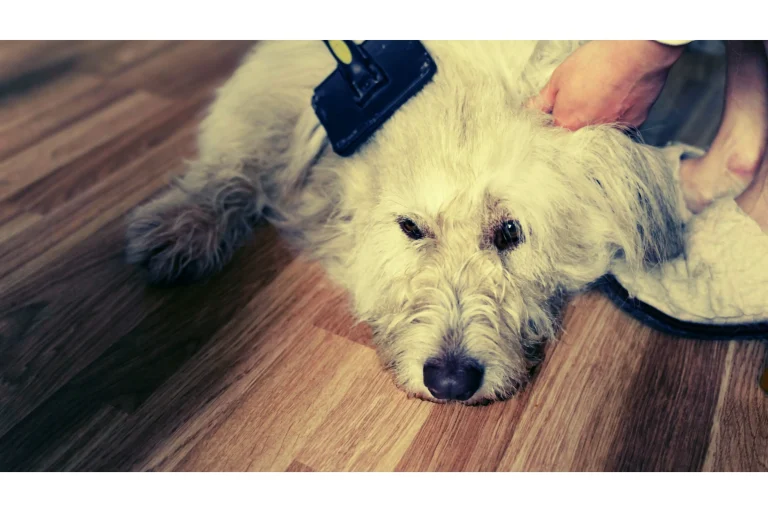
Daily brushing is one of the most effective natural shedding remedies. Use a breed appropriate brush slicker brushes for long haired breeds and bristle brushes for short haired ones to remove loose hair before it ends up on your furniture.
Bathe your pet once a month with gentle, natural shampoos containing oatmeal, aloe vera, or chamomile.
These ingredients cleanse without stripping natural oils, keeping your pet’s skin hydrated and healthy.
3 Hydration & Skin Health
Dehydration can cause dry, flaky skin and excess shedding. Always provide fresh, clean water and consider adding
moisture rich foods like wet food or broth to your pet’s diet. For external care, coconut oil or aloe based sprays can soothe irritation and nourish dry skin naturally.
4 Manage Stress
Stress plays a major role in excessive shedding. Maintain a calm, predictable environment, and engage your pet with daily play, walks, and affection to build emotional security.
Mental stimulation through toys, puzzles, and bonding time reduces anxiety and improves overall coat health.
A healthy diet and consistent grooming routine are the two most effective ways to reduce shedding naturally.

Natural Supplements for a Healthier Coat
Along with proper grooming and diet, adding natural supplements can make a significant difference in your pet’s skin and coat health.
These supplements nourish from within, targeting the root causes of shedding and supporting the body’s natural hair growth cycle.
When chosen carefully and used under veterinary guidance, they can be powerful allies in your effort to reduce pet shedding naturally.
Omega 3 & Omega 6 Fatty Acids
These essential fatty acids are among the most recommended supplements for pets. Omega 3 and Omega 6 fatty acids help balance skin moisture, reduce inflammation, and improve coat shine.
Regular intake whether through fish oil, salmon oil, or flaxseed can reduce dryness, itching, and hair breakage.
A well moisturized skin barrier also prevents excessive shedding caused by flakiness or irritation.
Biotin & Zinc Supplements
Biotin (vitamin B7) and zinc play vital roles in maintaining strong hair follicles and healthy skin.
Pets with deficiencies in these nutrients often experience dull coats and patchy hair loss.
Adding biotin and zinc supplements (as recommended by your vet) supports keratin production, resulting in thicker, more resilient fur.
Herbal Remedies
Certain herbs are known for their natural healing and anti inflammatory properties. Chamomile soothes sensitive skin, turmeric promotes circulation and combats irritation, and flaxseed provides plant based fatty acids that nourish the coat.
These herbal remedies work gently with your pet’s system, enhancing overall wellness while supporting a naturally radiant coat.
Mistakes to Avoid When Managing Shedding
Even with the best intentions, many pet owners make mistakes that can unintentionally worsen shedding.
Understanding what not to do is just as important as following the right care steps.
One of the most common errors is over bathing or using harsh shampoos that strip away your pet’s natural oils. This can leave the skin dry, irritated, and prone to excess hair loss.
Always choose gentle, natural grooming products designed specifically for pets.
Another frequent mistake is ignoring diet quality.
A poor diet lacking in protein, omega fatty acids, or essential vitamins can weaken hair follicles and increase shedding.
Providing balanced, nutrient rich meals is key to maintaining a healthy coat.
Skipping regular vet checkups is another oversight that can delay detection of underlying issues
like allergies, skin infections, or thyroid imbalances all of which can cause excessive shedding. Routine visits ensure early diagnosis and effective treatment.
Lastly, never use human hair products on pets. Human shampoos and conditioners have different
pH levels and can disrupt your pet’s skin barrier, leading to irritation and more shedding.
💡 Vet Warning:
“Avoid chemical heavy grooming products they can strip your pet’s natural oils and worsen shedding.”
When to See a Vet About Shedding
While some shedding is completely normal, there are times when it may indicate an underlying health concern.
It’s important for pet owners to recognize when hair loss goes beyond routine seasonal shedding.
Consulting a veterinarian early can prevent minor issues from becoming serious skin or internal problems.
Understanding these warning signs helps you take timely action and reduce pet shedding naturally through proper medical care and treatment.
Red Flags to Watch For
- Bald Spots or Patchy Fur: Uneven hair loss, visible bald areas, or thinning fur can signal conditions such as hormonal imbalances, allergies, or fungal infections.
- Persistent Itching or Redness: If your pet constantly scratches, bites, or licks certain spots, it could indicate skin irritation, fleas, or dermatitis.
- Lethargy or Appetite Loss: Shedding accompanied by tiredness, weight loss, or changes in eating habits may point to deeper health issues like thyroid disorders or nutritional deficiencies.
If you notice any of these symptoms, schedule a vet visit promptly.
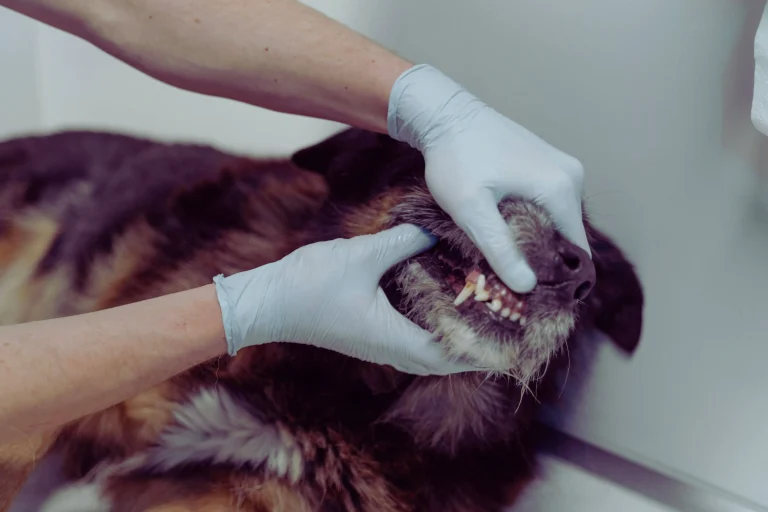
A professional examination, along with lab tests or dietary assessments, can identify the root cause and guide you toward safe, effective treatment options that support your pet’s long term coat and skin health.
Final Thoughts on How to Reduce Pet Shedding Naturally
Shedding is a normal part of every pet’s life, but with the right care, it doesn’t have to be a constant struggle.
By focusing on balanced nutrition, consistent grooming, and stress reduction, you can dramatically improve your pet’s coat health and minimize unwanted hair around your home.
A diet rich in omega fatty acids, vitamins, and minerals strengthens the skin and hair follicles from within, while natural grooming routines help remove loose fur and maintain healthy oils on the skin.
Equally important is creating a calm, enriching environment to reduce anxiety related shedding.
Regular playtime, affection, and a predictable routine all contribute to a happier, healthier pet.
If you ever notice unusual hair loss, itching, or skin irritation, don’t hesitate to consult your veterinarian for guidance.
Taking small, consistent steps now will not only reduce pet shedding naturally but also enhance your furry friend’s comfort, confidence, and overall well being.
Start implementing these vet approved tips today and enjoy a cleaner home and a healthier, shinier pet all year round.