Regular grooming is one of the most important aspects of keeping your dog healthy, happy, and comfortable.
Clean, well maintained coats not only enhance your pet’s appearance but also prevent issues like matting, skin irritation, and excessive shedding.
Following the best dog grooming tips at home helps pet owners maintain their dog’s hygiene while saving both time and money on frequent salon visits.
This home dog grooming guide is designed for every pet parent from first time owners to experienced handlers providing vet approved techniques that ensure safety, comfort, and efficiency.
From brushing and bathing to nail trimming and ear cleaning, grooming plays a vital role in detecting early signs of health problems such as parasites, lumps, or infections.
Whether you prefer DIY dog grooming or are just exploring dog grooming for beginners, this step by step 2025 tutorial will walk you through everything you need to know.
With the right tools, patience, and professional insights, you can transform grooming time into a bonding experience that keeps your dog looking and feeling their best all from the comfort of home.
Why Regular Grooming Matters for Your Dog’s Health
Grooming is more than just keeping your pet looking neat it’s an essential part of maintaining their overall health and happiness.
Regular grooming supports healthy skin, a shiny coat, and early detection of health concerns before they become serious.
By following the best dog grooming tips at home, pet owners can easily promote comfort, confidence, and hygiene without frequent vet or salon visits.
Health Benefits of Grooming
- Prevents skin infections and matting: Regular brushing removes dirt, tangles, and dead hair that can trap moisture and lead to painful mats or bacterial growth.
- Improves circulation and coat texture: Brushing stimulates the skin’s natural oils, enhancing blood flow and giving your dog’s coat a soft, healthy shine.
- Early detection of lumps or parasites: Frequent grooming sessions help you notice unusual bumps, fleas, ticks, or irritations early allowing for timely treatment and prevention of more serious issues.
Beyond the physical health benefits, grooming also strengthens your emotional connection with your pet.
Calm, consistent grooming routines build trust and help dogs feel secure and loved. In short, grooming isn’t just about appearance it’s a form of preventive care that keeps your dog comfortable, healthy, and happy year round.

Essential Tools for Grooming at Home
Having the right tools makes all the difference when it comes to safe, effective, and stress free grooming sessions.
Whether your dog has a long, silky coat or short, dense fur, using proper grooming equipment ensures better results and a happier pet.
Brushes and Combs
Different coat types require specific tools. Detangling brushes are ideal for long haired breeds, helping to remove knots and prevent matting.
For short haired dogs, slicker brushes or rubber grooming gloves work best to lift loose hair and dirt while stimulating natural oil production for a healthy shine.
Shampoos and Conditioners
Always choose gentle, pH balanced dog shampoos designed for canine skin, as human shampoos can cause dryness or irritation.
Conditioners with natural ingredients like oatmeal or aloe vera can help keep the coat soft and hydrated, reducing static and tangles after bathing.
Clippers, Scissors, and Nail Trimmers
For trimming, opt for pet safe clippers and rounded tip scissors to ensure safety during use. Keep a pair of nail trimmers or a grinder handy for regular nail maintenance essential for your dog’s comfort and mobility.
💡 Vet Tip:
“Invest in quality grooming tools they make the process easier and safer for your dog.”
With the right equipment and gentle handling, at home grooming becomes a relaxing, rewarding experience for both you and your pet.
Step by Step Dog Grooming Process
Grooming your dog at home doesn’t have to be complicated it’s all about preparation, patience, and proper technique. Follow this vet approved routine to ensure your pet stays clean, comfortable, and healthy.
Step 1 Brushing and Detangling
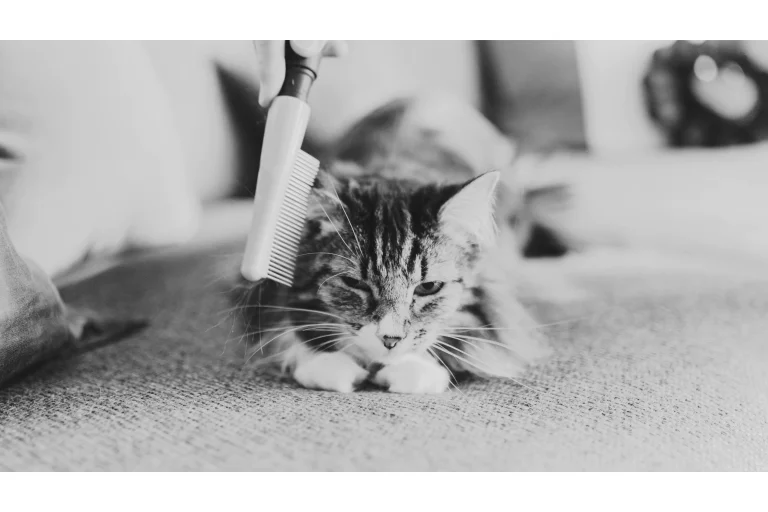
Before you bathe your dog, brush thoroughly to remove mats and tangles. Start with a detangling brush or comb suited to your dog’s coat type.
Work gently, especially around sensitive areas like the belly and behind the ears. Brushing first helps prevent knots from tightening during the bath and distributes natural oils for a healthy coat.
Step 2 Bathing
Use lukewarm water and a gentle, pet-safe shampoo to wash your dog. Avoid getting water or soap into the eyes and ears.
Lather well, focusing on the legs, underbelly, and tail, where dirt often collects. Rinse thoroughly to remove all residue leftover shampoo can cause itching or dryness.
Step 3 Drying and Brushing Again
After the bath, towel dry your dog or use a low-heat dryer on a safe setting. Make sure the coat is completely dry to prevent matting or odor.
Once dry, brush again to smooth the fur and restore its shine, especially in long-haired breeds.
Step 4 Trimming Hair and Nails
Using pet-safe scissors or clippers, trim excess hair around the paws, eyes, and tail for a neat appearance. Follow up with nail trimming, cutting small amounts at a time to avoid hitting the quick.
Following these best dog grooming tips at home not only keeps your pet looking great but also promotes better skin, coat, and nail health all while strengthening your bond through regular care.
Common Grooming Mistakes to Avoid
Grooming your dog at home can be rewarding, but small mistakes can lead to discomfort, skin irritation, or even injury.
Understanding what to avoid ensures your pet stays healthy and stress free during each grooming session.
Using human products on dogs is one of the most frequent errors. Human shampoos and conditioners have a different pH balance than dog skin,
which can cause dryness, itching, and allergic reactions. Always use pH balanced dog grooming products designed for pets.
Another common mistake is cutting nails too short. This can lead to bleeding and pain if you accidentally hit the quick the sensitive area inside the nail.
Trim small amounts at a time, and keep styptic powder nearby to stop any minor bleeding.
Overbathing is also a problem many pet owners overlook. Bathing your dog too often especially without using a conditioner can strip the natural oils that keep their coat shiny and skin
moisturized. Most dogs only need a bath every 3–4 weeks unless they get particularly dirty.
Finally, skipping regular brushing can result in mats and tangles, which may cause skin irritation or infections.
💡 Vet Warning:
“Frequent bathing without proper conditioning can strip essential oils from your dog’s coat.”
Tailoring Grooming to Your Dog’s Breed and Coat Type
Every dog’s coat is unique, and understanding how to care for it properly is key to maintaining their comfort and appearance.
Tailoring your grooming routine to your dog’s breed and coat type ensures healthy skin, reduced shedding, and a beautiful shine all achievable with the best dog grooming tips at home.
Short Haired Breeds
Dogs with short coats, such as Beagles or Boxers, require weekly brushing to remove loose hair and stimulate natural oils.
Occasional baths using a gentle, pH balanced shampoo help keep their coats clean without over-drying the skin. Use a rubber grooming mitt or soft bristle brush for the best results.
Long-Haired Breeds
Breeds like Golden Retrievers and Shih Tzus need daily brushing to prevent tangles and matting. A slicker brush or detangling comb works well to keep long fur smooth and free of debris.
Regular trimming around the eyes, paws, and tail also helps maintain hygiene and comfort. For dogs with thick, flowing coats, a de shedding tool can significantly reduce loose undercoat hair.
Double Coated Dogs
Double coated breeds such as Huskies and German Shepherds require special attention. Avoid shaving their coats, as it can interfere with temperature regulation.
Instead, use an undercoat rake to remove excess fur and prevent matting, especially during shedding seasons.
By matching your grooming approach to your dog’s coat type, you’ll promote better coat health and make grooming a positive, stress-free routine for both of you.

Safety Tips for At Home Dog Grooming
Grooming your dog at home can strengthen your bond and improve their comfort, but safety should always come first.
Following a few key precautions ensures that each grooming session is calm, positive, and injury free.
Start by creating a relaxed environment. Choose a quiet space with good lighting and a non slip surface to keep your dog steady.
Keep treats nearby to reward good behavior and help your dog associate grooming with positive experiences.
Consistent praise and patience go a long way, especially for anxious or first time dogs.
Always stay calm and confident dogs can sense stress or hesitation, which may make them uneasy.
Move slowly, speak softly, and take short breaks if your dog becomes restless.
During grooming, inspect your dog’s skin and coat for signs of fleas, ticks, redness, or unusual bumps.
Early detection of these issues can prevent more serious problems down the road. Be cautious around sensitive areas such as the face, paws, and tail, using gentle motions to avoid cuts or irritation.
Finally, ensure your grooming tools are clean and well maintained. Dull blades or dirty brushes can cause discomfort or infection.
By keeping these safety tips in mind, you’ll create a grooming routine that keeps your dog healthy, relaxed, and looking their best.
When to Seek Professional Grooming Help
While regular grooming at home is beneficial, there are times when seeking professional help is the safest and most effective option.
Knowing when to call in a groomer or vet can prevent injury and ensure your dog’s coat and skin remain in top condition.
Signs You Need a Groomer or Vet
If your dog has severe matting or excessive shedding, professional tools and techniques may be necessary to remove tangles without causing pain.
Likewise, skin irritation, bleeding, or open wounds should always be evaluated by a veterinarian before further grooming. Dogs that show anxiety, aggression, or fear during grooming also benefit from professional handling, as groomers are trained to work safely with nervous pets.
Benefits of Professional Grooming
Professional groomers offer expert care tailored to your dog’s breed and coat type, ensuring proper trimming, bathing, and styling.
They also use advanced tools and gentle techniques that provide a precise finish while minimizing discomfort.
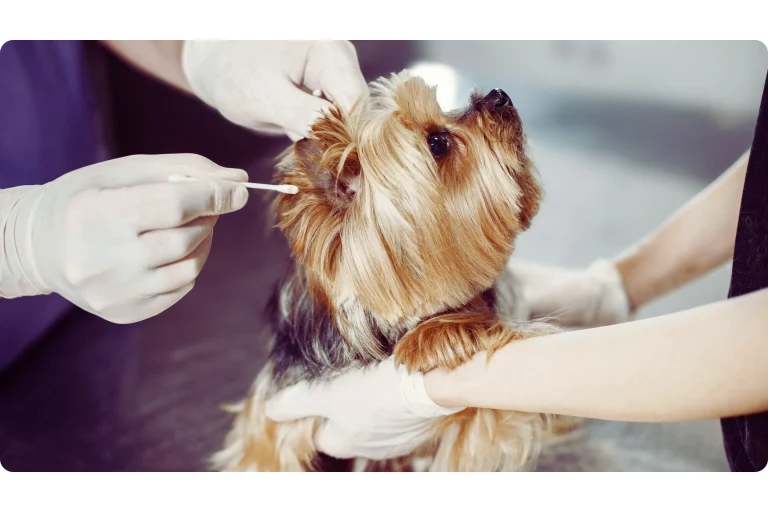
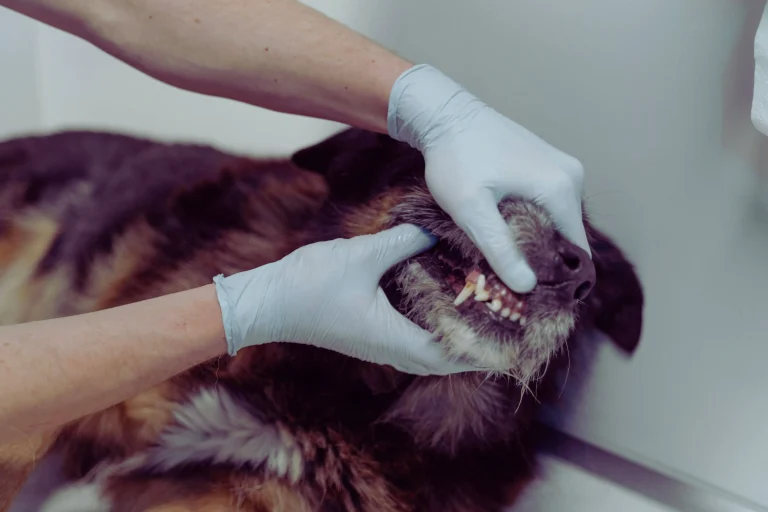
Additionally, groomers can spot early signs of skin issues, ear infections, or parasites that might go unnoticed at home.
Regular visits to a professional not only keep your dog looking their best but also complement your at-home grooming routine for long term health and happiness.
Final Thoughts on the Best Dog Grooming Tips at Home
Maintaining a consistent grooming routine is essential for your dog’s health, comfort, and overall well being. By following vet-approved best dog grooming tips at home, you ensure that
your pet’s coat remains clean, tangle-free, and shiny while preventing skin issues, matting, and excessive shedding.
Using the right tools from brushes and combs to clippers and nail trimmers is key to making grooming safe and effective.
Gentle handling, combined with patience and positive reinforcement, helps your dog feel comfortable and builds trust during each session.
Regular checks of the skin, ears, nails, and coat allow you to spot early signs of health problems, such as parasites, irritations, or unusual lumps, ensuring timely intervention.
A consistent at home grooming routine, paired with occasional professional grooming sessions, provides the best of both worlds: cost effective maintenance, personalized care, and expert support when needed.
Start practicing these best dog grooming tips at home today to keep your pet healthy, happy, and looking their best. By dedicating a little time regularly, you can transform grooming from a chore into a bonding experience that benefits both you and your furry companion.