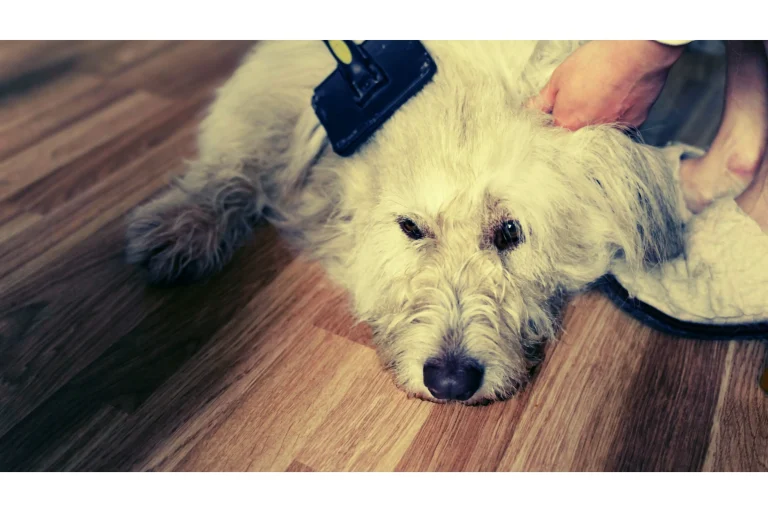
Grooming is an essential part of keeping your cat healthy, comfortable, and looking their best.
However, many cat owners unknowingly make errors that can lead to stress, skin irritation, matting, or even infections.
Following cat grooming mistakes to avoid ensures that home grooming is safe, effective, and enjoyable for both you and your feline companion.
This guide highlights common pitfalls in home cat grooming and provides vet approved tips to prevent problems before they occur.
By understanding these mistakes, you can maintain your cat’s hygiene, reduce shedding, and help prevent painful mats or skin conditions.
Whether you are a first time cat owner or have experience grooming, following proper techniques and avoiding harmful practices makes a significant difference in your cat’s comfort and well being.
Implementing these strategies will help you prevent cat matting, improve coat health, and turn grooming into a positive, stress free bonding activity.
With these cat grooming tips, you can ensure your furry friend remains happy, healthy, and beautifully groomed year-round.
Why Proper Cat Grooming Matters
Proper grooming is essential for maintaining your cat’s health, comfort, and overall well being. Following cat grooming mistakes to avoid helps
ensure that home grooming routines are safe and effective, preventing discomfort, skin problems, and stress.
Regular grooming not only keeps the coat smooth and shiny but also reduces the formation of hairballs, minimizes shedding around the house, and promotes better hygiene.

Common Cat Grooming Problems
Matted fur and tangles are among the most common issues caused by irregular or improper grooming.
Mats can pull at the skin, cause pain, and even lead to infections if left untreated. Excess shedding is another concern, which can increase hairballs and make your home messier.
Regular brushing helps remove loose fur before it accumulates.
Skin infections or irritation often result from neglected grooming or the use of inappropriate tools or products.
Cats are sensitive creatures, and harsh handling or unsuitable shampoos can damage their delicate skin, leading to redness, itching, or sores.
By understanding the importance of grooming and avoiding common mistakes, cat owners can maintain a healthy, comfortable coat, reduce hairball issues, and prevent skin conditions.
Following proper grooming techniques ensures that home cat grooming is a positive experience for both the cat and the owner.
Essential Cat Grooming Tools
Having the right tools is crucial for safe and effective home cat grooming. Using appropriate brushes, nail trimmers, and grooming products ensures that your cat remains comfortable while maintaining a healthy coat and skin.
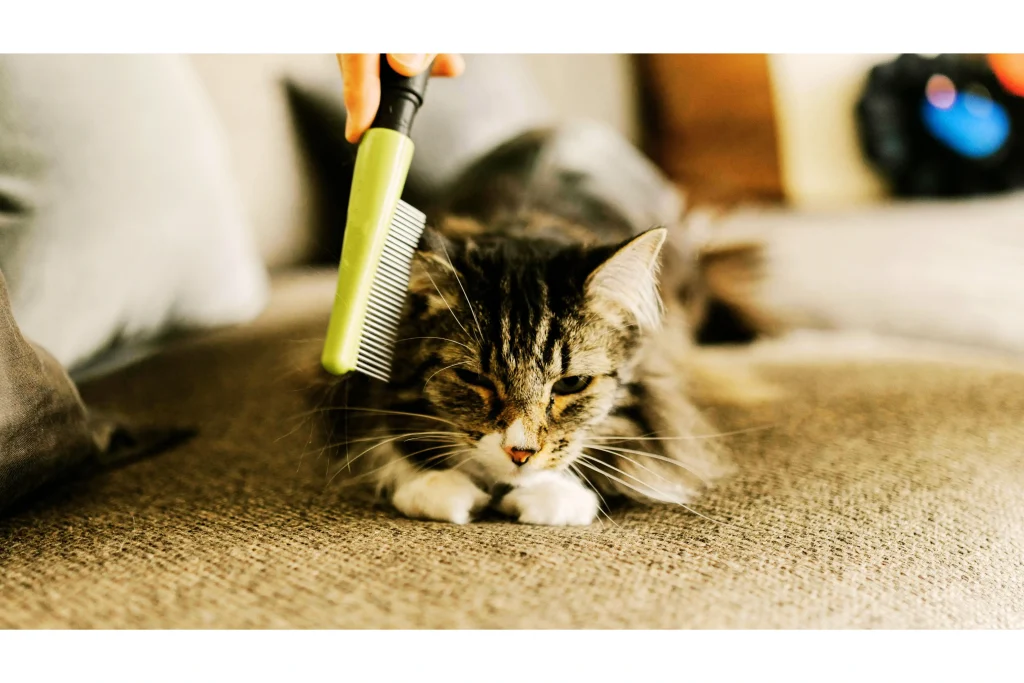
Brushes and Combs
Different coat types require specific tools. Slicker brushes are ideal for removing tangles and loose fur from long haired cats, while fine toothed combs help detangle shorter coats and prevent mats.
Regular brushing not only keeps the coat smooth but also stimulates natural oils, promoting a healthy shine and reducing hairballs.
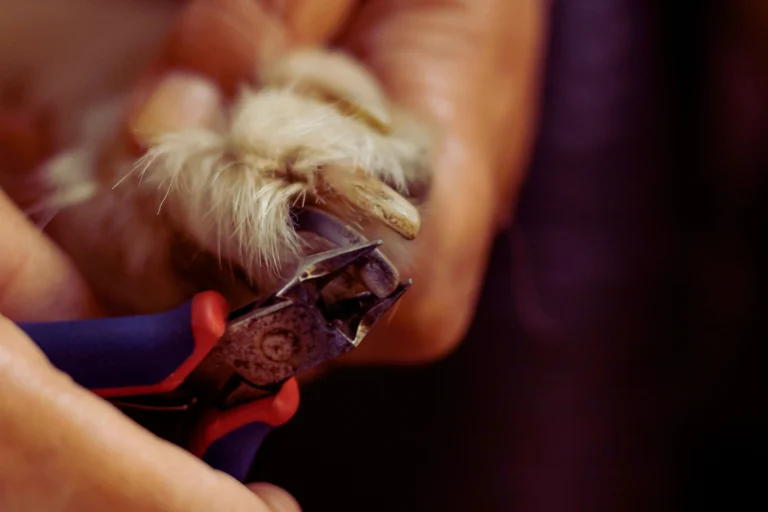
Nail Trimmers
Keeping your cat’s nails trimmed prevents scratching injuries and discomfort. Use cat safe nail trimmers or grinders designed specifically for feline nails.
Always trim small amounts at a time to avoid cutting the quick, and reward your cat with treats to create a positive grooming experience.
Shampoos and Wipes
If your cat requires a bath, select cat specific shampoos that are gentle and pH balanced.
For quick cleanups, grooming wipes are a convenient, stress free option to remove dirt and dander without water. Avoid using human products, as they can irritate your cat’s sensitive skin.
Top Cat Grooming Mistakes to Avoid
Proper grooming is essential for your cat’s health and comfort, but even experienced pet owners can make errors.
Understanding cat grooming mistakes to avoid helps prevent discomfort, skin problems, and stress during home grooming sessions.
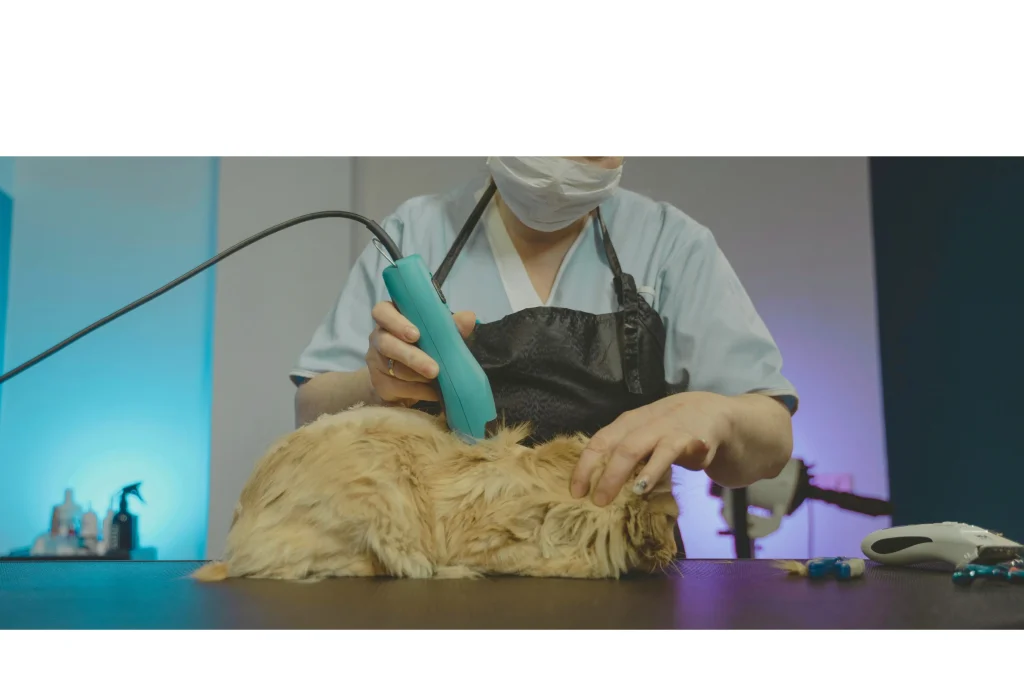
Mistake 1 Over Brushing or Under Brushing
Brushing too frequently can irritate your cat’s skin, while neglecting brushing allows loose fur to accumulate, leading to mats and hairballs.
Finding the right balance based on coat type is crucial for maintaining a smooth, healthy coat.
Mistake 2 Using Human Products
Human shampoos, soaps, or conditioners are not formulated for feline skin and can cause dryness, irritation, or allergic reactions. Always use cat specific grooming products to protect your cat’s delicate skin and maintain proper pH balance.
Mistake 3 Improper Nail Trimming
Cutting too deeply into the quick can cause bleeding, pain, and fear of future grooming. Use cat safe nail trimmers and trim small amounts gradually, rewarding your cat to encourage cooperation.
Mistake 4 Ignoring Mats and Tangles
Leaving mats untreated can pull on the skin, cause pain, restrict movement, and even lead to infections or hair loss. Regular brushing and gentle detangling prevent these issues, especially in long-haired cats.
Mistake 5 Grooming a Stressed or Resistant Cat
Forcing grooming on a stressed cat can create fear and resistance, making future sessions difficult.
Create a calm environment with treats, gentle handling, and short, frequent sessions to help your cat feel safe and cooperative.
By recognizing and avoiding these cat grooming mistakes, you can maintain a healthy, comfortable coat, prevent skin problems, and make home cat grooming a positive, stress free experience for both you and your feline companion.
How to Groom Your Cat Safely
Grooming your cat safely ensures their comfort, health, and well being while preventing stress or injury. Following a structured routine makes home cat grooming easier and more effective.
Step by Step Guide
Begin by preparing a calm, quiet area with soft lighting and your cat’s favorite treats to encourage cooperation.
Start with gentle brushing in the direction of hair growth, using a slicker brush or comb appropriate for your cat’s coat type. This helps remove loose fur, prevents mats, and reduces hairballs.
Next, trim nails carefully, taking small amounts at a time to avoid cutting the quick. Reward your cat after each paw to make the process positive.
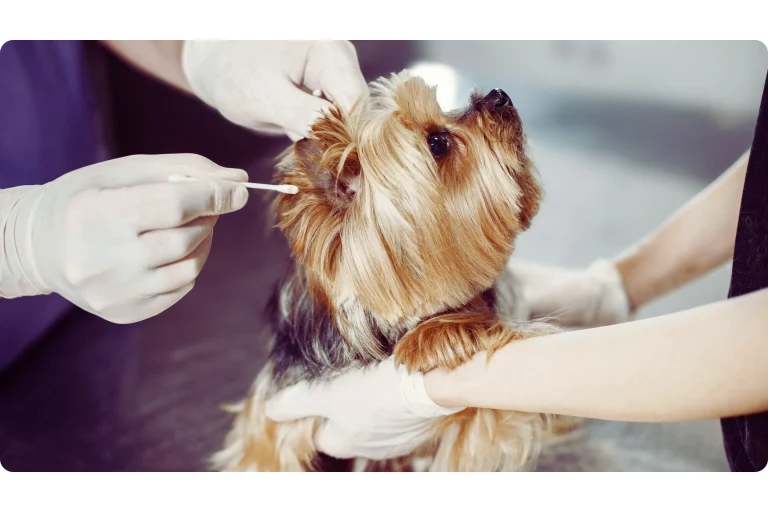
Inspect the ears and eyes during grooming, cleaning them gently if needed with vet approved wipes or solutions. Avoid inserting anything deep into the ear canal and never use harsh chemicals around the eyes.
Frequency Recommendations
For long haired cats, brushing should be done daily or every other day to prevent tangles and mats.
Short haired cats typically require grooming once a week or every two weeks to remove loose fur and maintain coat health.
By following these steps and tailoring the frequency to your cat’s coat type, you can maintain a smooth, healthy coat while reducing stress. Safe, consistent grooming also strengthens your bond with your cat, making each session a positive and rewarding experience.
When to Consult a Veterinarian or Grooming Professional
While home cat grooming is effective for routine care, certain situations require professional attention to ensure your cat’s health and comfort.
Recognizing when to seek help can prevent complications and reduce stress for both you and your pet.
Warning Signs
Seek veterinary or professional grooming assistance if your cat shows persistent matting that cannot be safely removed at home. Redness, sores, or skin irritation are also indicators that a professional should evaluate your cat to prevent infections.
Additionally, cats that exhibit behavioral distress during grooming such as aggressive reactions, excessive fear, or repeated attempts to escape may benefit from expert handling to make the process safer and less stressful.
Benefits of Professional Grooming
Professional groomers and veterinarians have experience with anxious or long haired cats, using specialized tools and techniques to manage difficult grooming tasks safely.
They can trim mats without causing pain, perform nail care, and identify early signs of skin or coat problems.
Regular professional sessions complement home grooming routines, ensuring your cat remains comfortable, healthy, and properly cared for.
Knowing when to consult a professional ensures that home cat grooming remains effective, safe, and stress free, while supporting your cat’s long term coat and skin health.
Final Thoughts on Cat Grooming Mistakes to Avoid
Avoiding common grooming errors is essential for maintaining your cat’s health, comfort, and overall well being.
By recognizing cat grooming mistakes to avoid, such as over brushing, using human products, or ignoring mats, you can prevent pain, skin irritation, and stress during home grooming sessions.
Using vet approved tools including cat specific brushes, combs, nail trimmers, and shampoos ensures that grooming is safe and effective.
Creating a calm, positive environment with gentle handling and treats helps your cat feel comfortable, making grooming a stress free bonding experience rather than a source of anxiety.
Regular, proper grooming reduces hairballs, prevents matting, maintains coat health, and allows early detection of skin or health issues.
Tailoring grooming frequency to your cat’s coat type daily for long haired cats and weekly for short haired cats keeps your feline friend comfortable and well groomed.
Start implementing these cat grooming tips today to enhance your cat’s hygiene and overall health.
Consistent, careful grooming not only promotes a smooth, shiny coat but also strengthens the bond between you and your pet, ensuring a happy and healthy life together.