A pet’s coat is more than just fur it’s a mirror of their overall health and happiness.
A glossy, smooth coat reflects proper nutrition, hydration, and consistent grooming, while dull, dry, or flaky fur often signals issues like poor diet, dehydration, or neglect in care.
That’s why coat maintenance should be a top priority for every responsible pet owner. In this 2025 vet approved guide, you’ll learn how to keep your pet’s coat shiny and healthy through simple, natural, and affordable steps you can follow at home.
From healthy pet grooming techniques to natural coat care remedies and expert pet hair shine tips, this tutorial covers everything you need to help your furry friend look and feel their best.
Whether you’re caring for a short haired dog, a long haired cat, or anything in between, these proven methods will enhance coat texture, reduce shedding, and support skin vitality.
With the right approach and a little consistency, you’ll be able to maintain your pet’s radiant shine year round the natural, vet approved way.

Understanding What Affects Your Pet’s Coat Health
A pet’s coat is a direct reflection of their internal health and external environment. Several biological and environmental factors influence fur shine, texture, and overall vitality.
Understanding these elements can help pet owners take targeted steps to improve coat quality and prevent issues like dryness, matting, or excessive shedding.
Paying attention to nutrition, grooming, and overall health is essential to keep your pet’s coat shiny and healthy naturally.
Nutrition and Hydration
A well balanced diet is the cornerstone of a healthy coat. Proteins provide the building blocks for strong hair, while omega 3 and omega 6 fatty acids maintain skin moisture and reduce inflammation.
Hydration also plays a critical role; pets that drink enough water are less likely to have dry, brittle fur. Incorporating nutrient rich foods and supplements can dramatically enhance coat softness and luster.
Grooming Habits
Regular grooming is another key factor in maintaining a glossy coat.
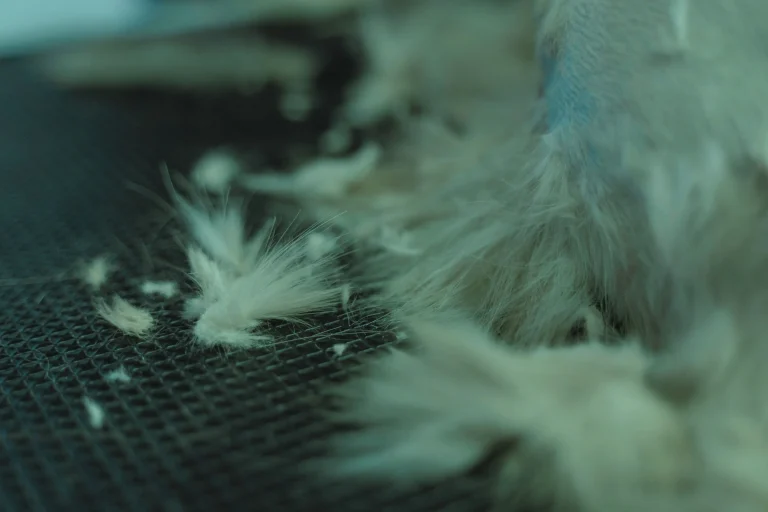
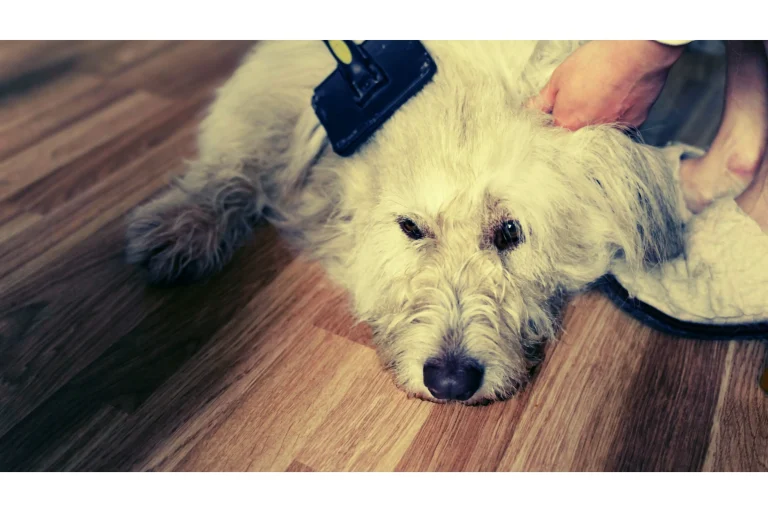
Daily or weekly brushing removes loose hair, distributes natural oils, and prevents tangles or matting.
Using natural shampoos designed for pets helps cleanse without stripping essential oils, keeping the skin hydrated and the fur smooth. Grooming also provides an opportunity to check for skin issues early.
Overall Health Factors
Underlying health concerns can also affect coat quality.
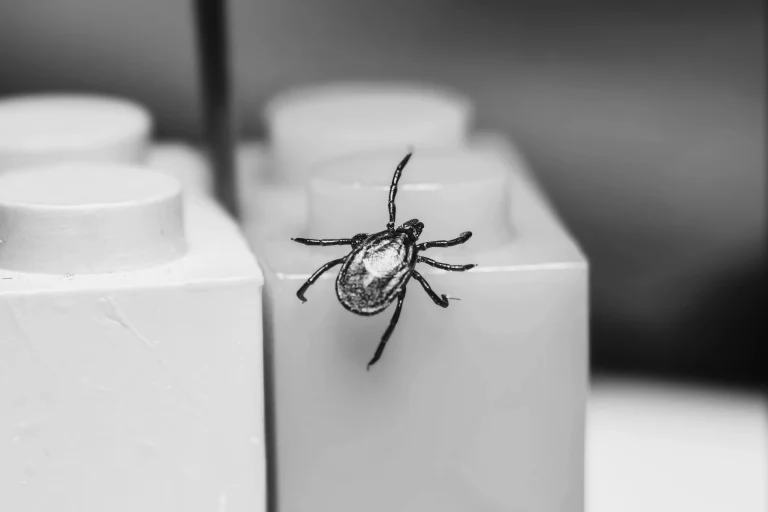
Allergies, parasites like fleas, or chronic stress can cause dullness, hair loss, and irritation.
Regular veterinary checkups and preventive care are essential for identifying and addressing these issues before they impact your pet’s coat.
Step by Step Guide on How to Keep Your Pet’s Coat Shiny and Healthy
Maintaining a shiny, healthy coat doesn’t have to be complicated.
By following a consistent, vet approved routine, you can improve your pet’s fur texture, reduce shedding, and support overall well being.
This practical guide covers simple daily and weekly steps suitable for both dogs and cats.

1 Feed a Balanced Diet
Nutrition is the foundation of coat health. Incorporate lean proteins and healthy fats such as fish oil and flaxseed, which promote skin hydration and fur shine.
Avoid fillers, artificial colors, or preservatives that can negatively impact coat quality.
A nutrient rich diet strengthens hair follicles, reduces breakage, and contributes to a naturally glossy coat.
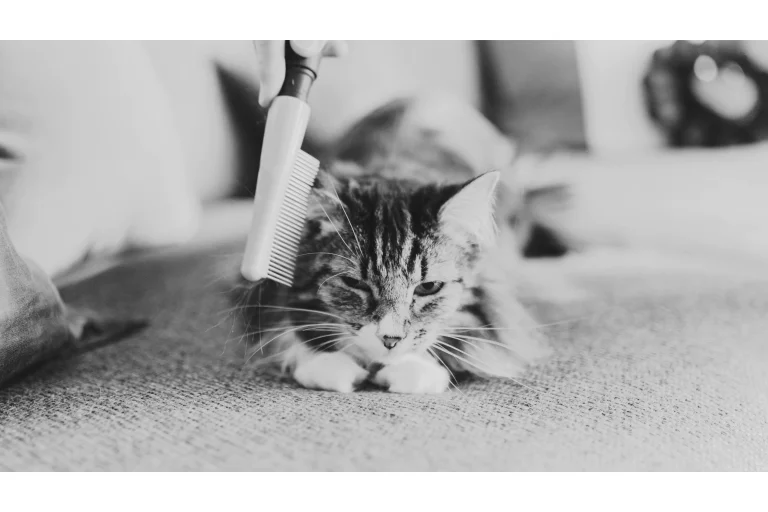
2 Regular Brushing
Brushing stimulates natural oil production and removes dead hair before it mats or sheds excessively.
Use a brush appropriate for your pet’s coat type: slicker or pin brushes for long haired breeds and bristle or rubber brushes for short haired pets.
Regular grooming not only improves shine but also enhances circulation and allows you to spot skin issues early.
3 Bathe Wisely
Bathe your pet with chemical free, moisturizing shampoos to cleanse without stripping natural oils.
Over-bathing can dry out the skin and dull the coat, so limit baths to once a month or as recommended by your veterinarian.
Focus on gentle massaging motions to promote healthy blood flow and coat conditioning.
4 Keep Your Pet Hydrated
Proper hydration is essential for skin elasticity and fur vitality.
Ensure access to clean, fresh water throughout the day. Wet food or broths can also help supplement water intake, especially for cats who may drink less naturally.
5 Manage Stress
Stress can impact coat condition by triggering shedding or dullness.
Maintain a calm, predictable environment and provide regular playtime, mental stimulation, and affection to keep your pet happy.
A relaxed pet is more likely to have a healthy, shiny coat.
Natural Remedies and Supplements for a Glossy Coat
A shiny, healthy coat is not only aesthetically pleasing but also a sign of overall wellness.
Alongside proper grooming and diet, certain natural remedies and supplements can help enhance fur texture and maintain skin hydration.
When used correctly, these solutions can effectively keep your pet’s coat shiny and healthy.
Omega Fatty Acids (Omega 3 & Omega 6)
Essential fatty acids play a key role in maintaining skin moisture, reducing inflammation, and promoting a glossy coat.
Omega 3 and Omega 6 supplements, commonly found in fish oil, flaxseed, or algae based oils, support skin elasticity and help prevent dryness, flakiness, and excessive shedding.
Regular intake improves overall coat vitality.
Biotin and Vitamin E
Vitamins like biotin (B7) and vitamin E strengthen hair follicles, encourage healthy growth, and improve fur texture.
Pets with deficiencies may develop brittle or dull hair, so supplementation under veterinary guidance can restore resilience and shine.
Herbal Enhancers
Certain herbs and natural oils act as gentle, effective conditioners. Chamomile soothes irritated skin, while coconut oil and aloe vera nourish and hydrate the coat.
These natural enhancers can be added topically or incorporated into diet friendly preparations, supporting fur softness and luster without harsh chemicals.
Incorporating these supplements and remedies into a consistent care routine ensures your pet’s coat remains smooth, glossy, and healthy while promoting overall skin and hair wellness.
Common Mistakes That Damage Coat Health
Even well intentioned pet owners can inadvertently harm their pet’s coat through improper grooming or diet.
Recognizing these mistakes is crucial for maintaining a shiny, healthy coat and preventing long term skin issues.
One common error is over bathing or using human shampoos. Human products often have a different pH balance, which can strip natural oils, leaving the skin dry and the fur dull.
Bathing too frequently can also remove essential oils that keep the coat moisturized.
Another frequent mistake is feeding poor-quality food low in protein or lacking essential fatty acids.
Without sufficient nutrients, hair follicles weaken, resulting in brittle, thin, or patchy fur.
Ensuring a balanced, nutrient rich diet is essential for coat strength and shine.
Skipping regular grooming sessions is another issue. Brushing not only removes loose hair but also distributes natural oils across the coat, stimulating healthy growth.
Infrequent grooming can lead to tangles, matting, and uneven fur texture.
Finally, ignoring skin infections, parasites, or flea infestations can seriously compromise coat health.
These conditions cause itching, inflammation, and excessive shedding, which may worsen if left untreated.

Seasonal and Breed Specific Coat Care Tips
Different breeds and seasonal changes require tailored strategies to maintain a shiny, healthy coat.
Understanding your pet’s specific needs helps prevent matting, dryness, and excessive shedding while promoting overall skin and fur vitality.
Long Haired Breeds
Pets with long hair, such as Maine Coons or Afghan Hounds, are prone to tangles and matting. Use detangling sprays and wide toothed combs to gently work through knots without damaging the hair shaft.
Regular brushing not only prevents mats but also distributes natural oils, keeping the coat smooth and lustrous.
Short Haired Breeds
Short haired pets, like Beagles or Siamese cats, benefit from gentle rubber brushes or grooming mitts that remove loose hair effectively.
Weekly grooming wipes can also help eliminate dirt and maintain shine without over bathing. These simple steps enhance coat texture while supporting natural oil balance.
Seasonal Care
Coat health can fluctuate with the seasons. In winter, increase hydration and consider omega rich supplements to combat dry, brittle fur.
During summer, more frequent brushing and lightweight grooming routines help manage shedding and prevent overheating.
Adjusting your pet’s diet and grooming schedule according to seasonal needs ensures their coat remains vibrant year-round.
Incorporating these breed specific and seasonal care tips into your routine helps you consistently keep your pet’s coat shiny and healthy, enhancing both their appearance and overall well being.
When to See a Vet for Coat Issues
While minor changes in your pet’s coat can be normal, a persistently dull, brittle, or patchy coat may indicate an underlying health problem.
Recognizing the warning signs early ensures timely intervention and helps maintain your pet’s overall wellness.
Warning Signs
Look out for hair loss, bald spots, or flaking skin, which can signal skin infections, hormonal imbalances, or nutrient deficiencies.
Persistent scratching, redness, or irritation is another red flag that may point to allergies, parasites, or dermatitis.
If these symptoms appear alongside changes in appetite, energy levels, or behavior, it’s especially important to seek professional guidance.
Professional Help
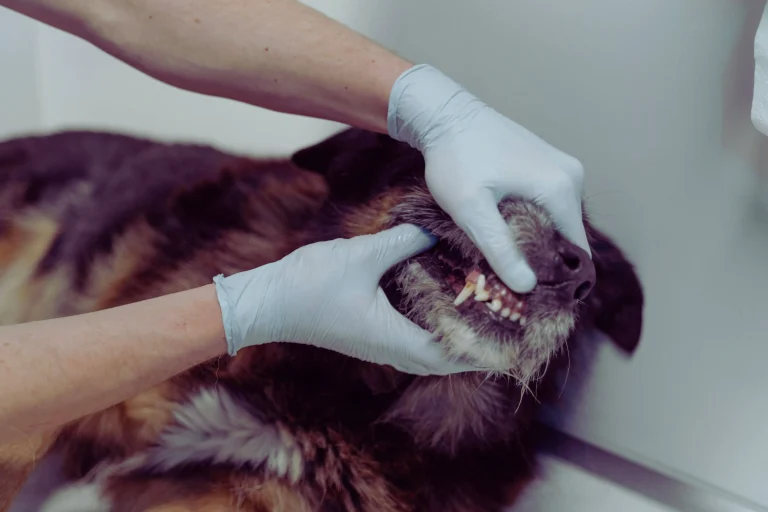
A veterinarian can perform a thorough examination, run diagnostic tests, and identify the root cause of coat issues.
They can recommend targeted treatments, dietary adjustments, or supplements tailored to your pet’s specific needs.
Early veterinary care not only addresses the immediate problem but also helps prevent long term skin and coat damage.
Monitoring your pet’s fur and seeking professional help when warning signs arise ensures that your furry friend stays comfortable, healthy, and maintains a naturally shiny and healthy coat year-round.
Final Thoughts on How to Keep Your Pet’s Coat Shiny and Healthy
A shiny, healthy coat is more than just a cosmetic feature it reflects your pet’s overall well being.
Consistent care, including balanced nutrition, proper grooming, adequate hydration, and stress management, plays a crucial role in maintaining vibrant fur and preventing common coat issues.
Feeding nutrient rich foods, incorporating natural supplements, and following breed and season specific grooming routines support strong hair follicles and soft, glossy fur.
Equally important is creating a calm, stimulating environment to minimize stress related shedding and coat dullness.
Regular brushing, gentle bathing with natural shampoos, and monitoring skin health can prevent tangles, dryness, and irritation, keeping your pet comfortable and happy.
While these vet approved steps provide a strong foundation for coat care, each pet is unique.
Consult your veterinarian for personalized advice, especially if you notice hair loss, persistent itching, or changes in coat texture.
By staying proactive and attentive, you can ensure your furry friend enjoys not only a radiant, healthy coat but also improved overall health and vitality.
Start implementing these strategies today to keep your pet looking and feeling their very best.