
Many pet owners wonder which human foods are safe to share with their furry companions. Human foods safe for dogs and cats can be a nutritious addition to a pet’s diet, offering variety, vitamins, and antioxidants that support overall health.
When served correctly and in moderation, these foods can act as healthy snacks or meal supplements, enhancing both enjoyment and wellness.
It’s important to remember that not all human foods are appropriate for pets. Some ingredients can be toxic, while others may upset digestion if overfed.
Portion control, preparation methods, and knowledge of safe foods are essential to avoid adverse effects.
By following vet approved guidelines, owners can safely incorporate treats such as certain fruits, vegetables, and lean proteins, providing dog and cat safe snacks that complement a balanced diet.
This guide will explore which healthy human foods for pets are recommended, how to prepare and serve them safely, and which foods to strictly avoid. By learning these tips, pet owners can offer variety and nutritional benefits while maintaining a vet-approved pet diet that supports long term health and happiness.

Why Some Human Foods Are Safe for Pets
Certain human foods safe for dogs and cats provide essential nutrients that complement a balanced pet diet, offering benefits beyond commercial pet food.
Many fruits, vegetables, and lean proteins contain vitamins, antioxidants, and amino acids that support overall health. For example, carrots and blueberries deliver antioxidants that help
combat free radicals, while cooked lean meats provide high quality protein necessary for muscle maintenance and energy. These nutrients also contribute to healthy digestion, stronger immunity, and a shinier, healthier coat.
Nutritional Benefits
Incorporating safe human foods can enhance nutrient intake without relying solely on processed kibble.
Vegetables like pumpkin and green beans are rich in fiber, aiding gut health and preventing constipation. Fruits such as apples or blueberries are packed with vitamins C and K, which support immune function and tissue repair.
Lean proteins from cooked chicken, turkey, or fish provide essential amino acids for muscle growth and overall vitality.
Moderation Matters
While these foods are beneficial, overfeeding can lead to digestive upset, weight gain, or nutrient imbalances.
Treats should not exceed 10% of your pet’s daily caloric intake, and preparation should avoid added salt, sugar, or seasoning.
Gradual introduction allows owners to monitor tolerance and prevent gastrointestinal issues.
By understanding which human foods are safe and offering them in proper portions, pet owners can enrich their pets’ diet while maintaining optimal health and well being.
Top Human Foods Safe for Dogs
Incorporating human foods safe for dogs and cats into your pet’s diet can provide variety, nutrition, and enjoyable treats. For dogs, several vet approved options offer essential vitamins, minerals, and protein to support overall health.
Fruits
Fruits like apples (without seeds), blueberries, and bananas are excellent sources of antioxidants, fiber, and natural vitamins.
Apples provide vitamin C and fiber that support digestion, while blueberries are packed with antioxidants to help combat free radicals.
Bananas offer potassium and natural energy, making them a tasty, nutrient-rich snack. Always remove seeds and cores to prevent choking or toxicity.
Vegetables
Low-calorie vegetables such as carrots, green beans, and pumpkin are ideal for dogs.
Carrots provide beta carotene for healthy skin and vision, green beans are rich in fiber and vitamins while being low in calories, and pumpkin supports gut health and regulates digestion.
Steaming or lightly cooking vegetables improves digestibility and nutrient absorption.
Proteins
Lean, cooked proteins like chicken, turkey, and eggs are essential for maintaining muscle mass and energy levels.
Eggs also provide biotin and amino acids important for coat health. Avoid adding salt, seasoning, or oils when preparing proteins for your dog.
Healthy Treats
Moderation is key when offering treats like plain yogurt or peanut butter (unsalted and xylitol free). Yogurt provides probiotics that promote gut health, while peanut butter offers protein and healthy fats. These treats should be given sparingly as part of a balanced diet.
💡 Vet Tip:
Always remove seeds, pits, or any added seasonings before serving human foods to your dog.
Gradually introducing these safe options ensures your pet enjoys the nutritional benefits without digestive upset. Incorporating these foods thoughtfully can enhance your dog’s health, energy, and overall well being.
Top Human Foods Safe for Cats
Adding human foods safe for dogs and cats to your feline’s diet can provide additional nutrients, variety, and enjoyable flavors.
While cats are obligate carnivores, certain human foods can safely supplement their regular diet when offered in moderation.
Proteins
High-quality proteins are essential for cats’ muscle maintenance, energy, and overall health. Cooked fish such as salmon or tuna provides omega 3 fatty acids that support skin and coat health. Chicken and turkey are lean protein sources rich in essential amino acids.
Always serve cooked, unseasoned meats and avoid raw fish or poultry to prevent bacterial contamination or parasites.
Vegetables & Fruits
Although cats primarily need protein, small amounts of certain vegetables and fruits can be beneficial. Pumpkin and zucchini are excellent for fiber and digestive support.
Blueberries in small quantities provide antioxidants and vitamins. Introduce these foods gradually, ensuring they do not make up a large portion of the diet.
Dairy & Treats
Some cats can tolerate small amounts of plain yogurt or cheese, which offer calcium and protein.
These should be given sparingly, as many cats are lactose intolerant and excessive dairy can cause digestive upset.
By carefully selecting human foods safe for dogs and cats, owners can enhance their pet’s nutrition, support immunity, and provide variety in meals or treats.
Always prioritize portion control, preparation, and moderation to ensure your cat enjoys these healthy additions safely and benefits from the added nutrients.
How to Safely Introduce Human Foods
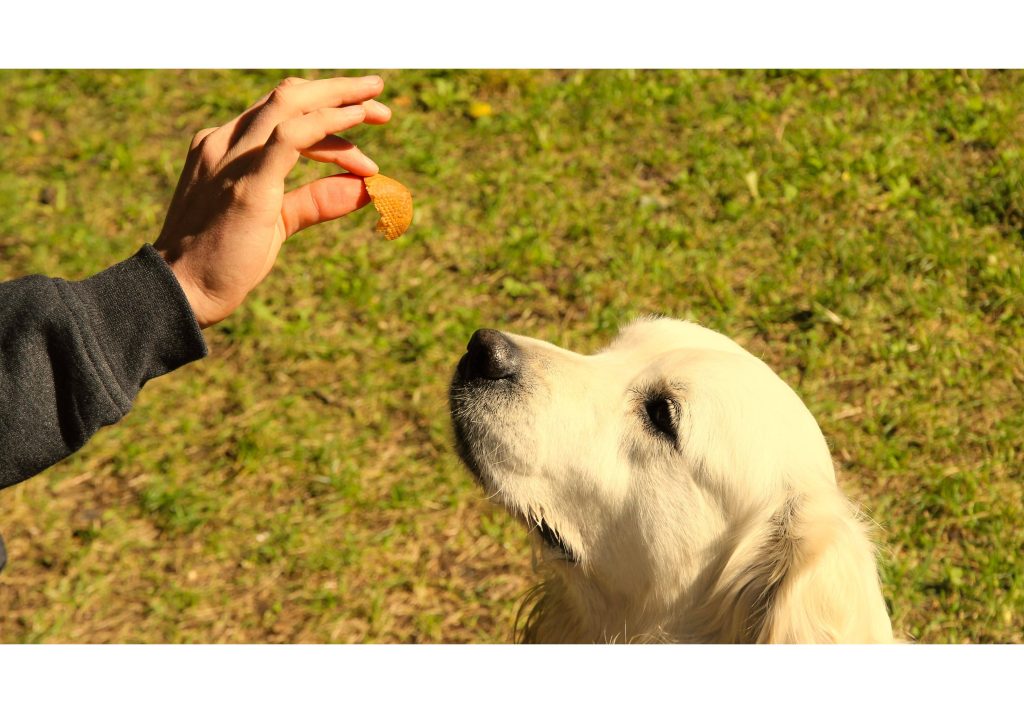
Introducing human foods safe for dogs and cats requires a cautious, step by step approach to ensure your pet benefits without adverse effects.
Gradual Introduction
Begin by offering small portions of a new food alongside your pet’s regular diet. This allows you to monitor how your dog or cat responds to the addition and reduces the risk of digestive upset.
Gradually increase the serving size if your pet tolerates the food well, but avoid making it a large part of their daily intake.
Monitor for Allergic Reactions
Watch closely for any signs of intolerance or allergies. Common indicators include vomiting, diarrhea, changes in stool consistency, excessive scratching, or skin irritation.
If any of these occur, discontinue the food immediately and consult your veterinarian. Early detection of sensitivity helps prevent more serious health issues.
Serving Tips
Always serve human foods plain, unseasoned, and cooked when necessary, such as meats or certain vegetables.
Avoid foods high in salt, sugar, spices, or additives that can be toxic or harmful to pets. Remove seeds, pits, and skins that may pose choking hazards or contain toxins, like apple seeds or avocado skins.
By following these guidelines, pet owners can safely expand their pet’s diet with nutritious human foods, providing
variety and added nutrients while minimizing the risk of digestive or allergic reactions. Gradual introduction and careful observation are key to success.
Human Foods to Avoid for Pets
While many human foods safe for dogs and cats can be nutritious, certain ingredients are toxic or unsafe and must be strictly avoided to protect your pet’s health.
Toxic Ingredients
Some common foods can cause serious illness or even be life threatening. Chocolate contains theobromine, which is toxic to dogs and cats.
Onions and garlic can damage red blood cells, leading to anemia. Grapes and raisins may cause kidney failure, while xylitol, a sugar substitute found in many baked goods and peanut butter, can trigger dangerously low blood sugar and liver failure in dogs.
Always double check any food before offering it to your pet to prevent accidental ingestion of harmful substances.

Foods to Use with Caution
Certain human foods are safe in moderation but can still cause digestive upset or weight gain if overfed.
High fat foods can lead to pancreatitis, while dairy products may upset pets that are lactose intolerant.
Processed snacks often contain salt, sugar, or additives that are unsuitable for pets. Even seemingly harmless foods should be introduced gradually and in small portions to monitor tolerance.
💡 Vet Insight:
“Even small amounts of toxic foods can be dangerous always verify before sharing.”
By being aware of toxic ingredients and feeding cautiously, pet owners can safely incorporate human foods into their pet’s diet without compromising health.
Careful selection, portion control, and vet guidance are essential for maintaining a balanced and safe diet.
Final Thoughts on Human Foods Safe for Dogs and Cats
Incorporating human foods safe for dogs and cats can provide variety, essential nutrients, and enjoyable treats that complement a balanced diet.
When chosen carefully, these foods offer antioxidants, fiber, lean protein, and vitamins that support digestion, immunity, and overall wellness. Fruits, vegetables, lean meats, and select dairy products can be healthy additions, enhancing both nutrition and mealtime enjoyment.
Moderation and gradual introduction are key. Start with small portions, observe your pet’s response, and adjust accordingly to prevent digestive upset or allergic reactions.
Always prepare foods plain, unseasoned, and free of toxic ingredients such as chocolate, onions, grapes, and xylitol.
Proper preparation and portion control ensure your pet benefits safely from these foods without compromising their health.
Consulting your veterinarian before introducing new human foods provides peace of mind and ensures dietary choices align with your pet’s specific needs, age, and health conditions.
By making informed decisions and following vet approved guidelines, pet owners can enhance their pets’ nutrition, promote long term wellness, and enjoy the bonding experience of sharing safe, tasty treats.
Start incorporating these safe human foods today to support a healthier, happier life for your dog or cat.


