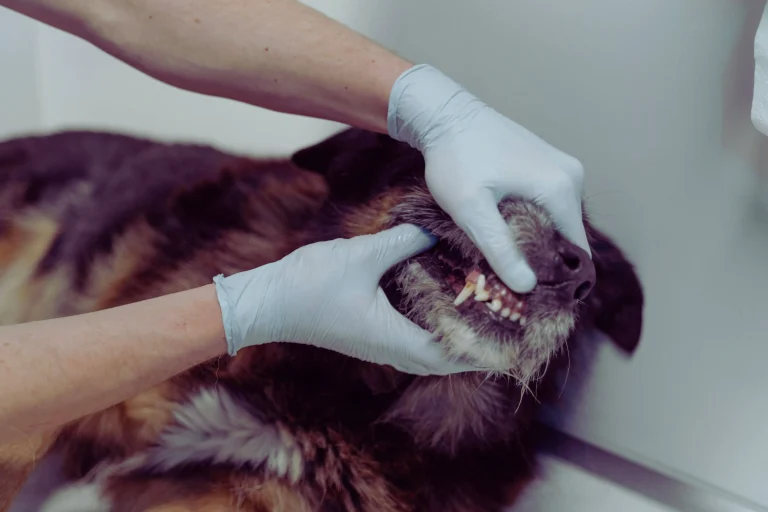
Fleas and ticks are more than just a nuisance they can cause itching, skin infections, and even transmit serious diseases to pets and humans.
As concern grows over harsh chemicals in conventional treatments, more pet owners are turning to natural flea and tick prevention for pets as a safe, holistic alternative.
These methods focus on protecting your furry friends without exposing them to potentially harmful substances found in traditional chemical based products.
Natural approaches, including herbal flea remedies for pets and organic tick control, provide effective defense while supporting overall skin and coat health. Using chemical free strategies not only reduces the risk of irritation or toxicity but also aligns with a more environmentally conscious lifestyle.
In this 2025 vet approved guide, you’ll discover step by step techniques to keep your pets free from fleas and ticks naturally.
From diet and grooming habits to safe topical treatments and home care practices, these strategies are designed to maintain comfort, health, and protection year round.
Following this guide will help you safeguard your pets safely, effectively, and naturally.
Understanding Fleas and Ticks
Fleas and ticks are external parasites that pose serious health risks to pets and their owners. Fleas are tiny, wingless insects that feed on blood, causing itching, irritation, and allergic reactions.
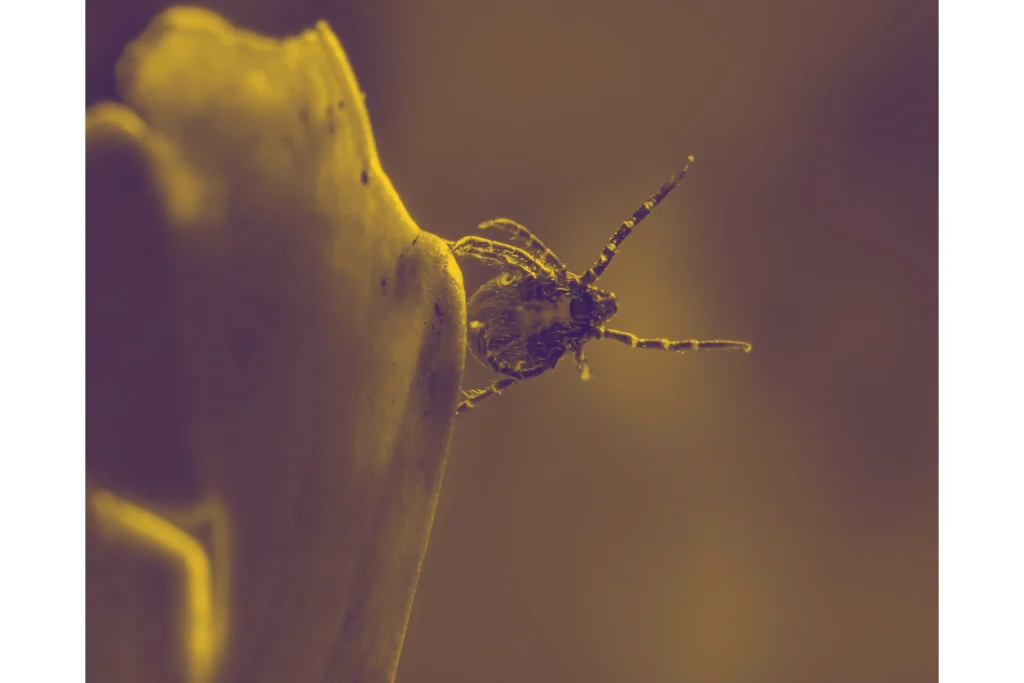
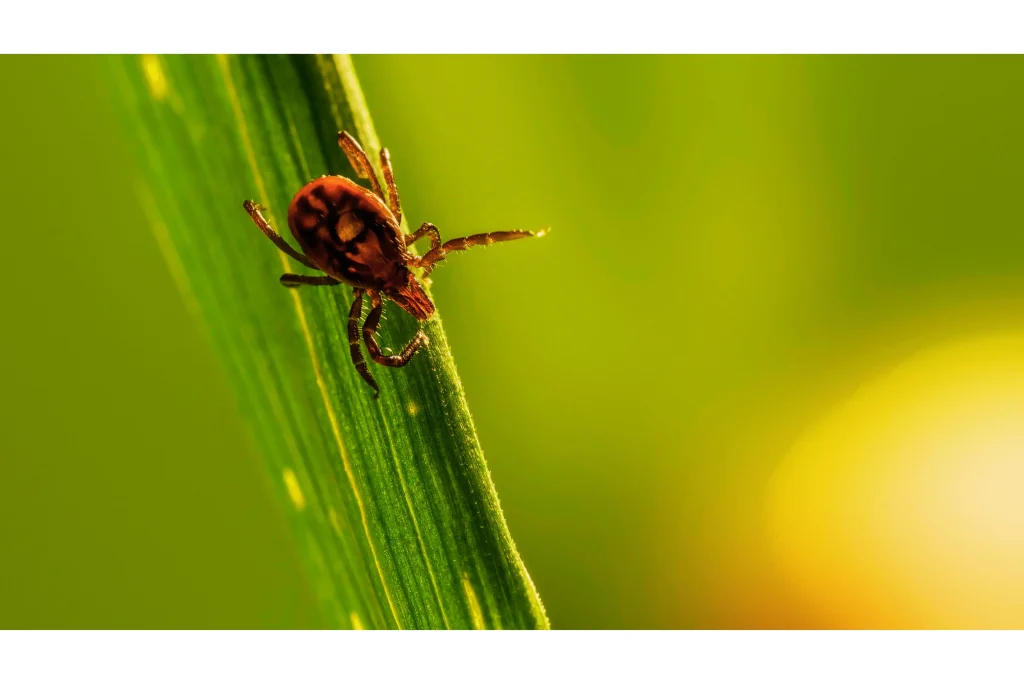
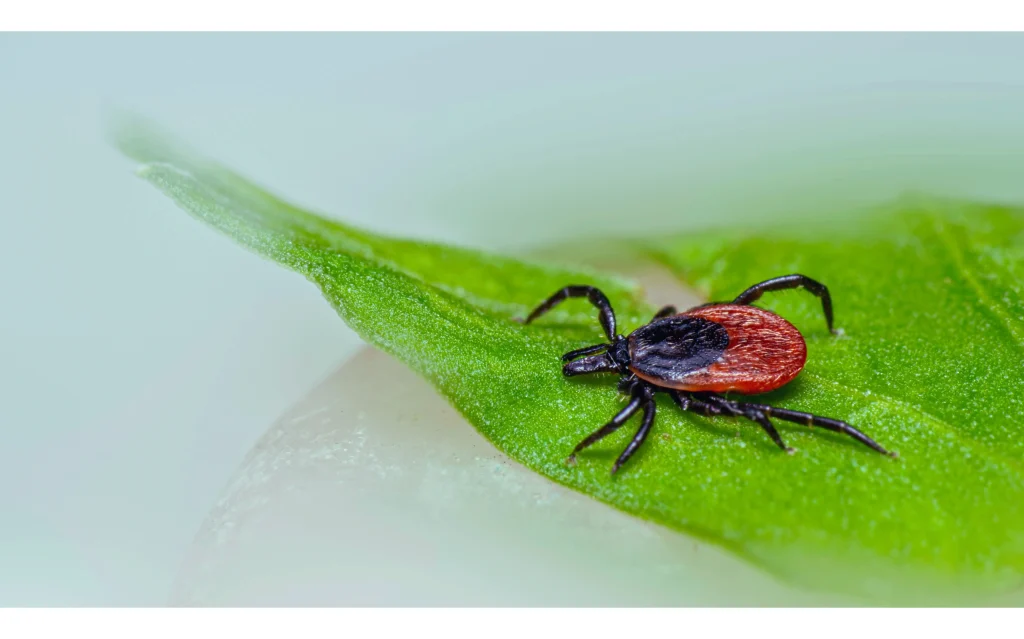
Ticks are arachnids that attach firmly to the skin and can transmit diseases such as Lyme disease, ehrlichiosis, and babesiosis. Understanding these pests and their impact is essential for effective natural flea and tick prevention for pets.
Common Symptoms of Flea and Tick Infestations
Pets with fleas or ticks often exhibit persistent itching and scratching, accompanied by red bumps, rashes, or inflamed skin. Heavy infestations can lead to hair loss or patchy fur, and some pets may show restlessness, irritability, or behavioral changes due to discomfort. Monitoring these signs closely helps identify infestations early and prevents more serious health issues.
High Risk Pets and Environments
Certain pets and living conditions increase the likelihood of flea and tick exposure. Outdoor pets, especially those that roam in grassy or wooded areas, are at higher risk.
Multi pet households can facilitate the rapid spread of infestations from one animal to another.
Additionally, fleas and ticks thrive in warm, humid climates, making prevention particularly important during peak seasons.
By recognizing the signs, understanding the risks, and implementing natural flea and tick prevention for pets, owners can protect their furry companions safely while reducing dependence on chemical treatments.
Natural Flea and Tick Prevention Methods
Keeping your pets free from fleas and ticks doesn’t require harsh chemicals. Natural flea and tick prevention for pets focuses on safe, holistic strategies that protect your furry friends while supporting overall health.
A combination of herbal treatments, dietary approaches, grooming, and environmental management can significantly reduce the risk of infestations.
Herbal and Essential Oil Treatments
Certain herbs and essential oils are effective at repelling fleas and ticks when used correctly.
Neem oil, lavender, and cedarwood are popular choices for pets, helping to deter parasites without harmful side effects. Always dilute essential oils properly and avoid sensitive areas like eyes, nose, and mouth. Spot testing a small area first ensures your pet doesn’t have an adverse reaction.
These oils can be applied topically or added to grooming sprays for ongoing protection.
Dietary Approaches
Nutrition can play a subtle but important role in parasite prevention.
Adding omega 3 fatty acids supports skin health and may make your pet less attractive to fleas.
Some owners also consider small amounts of garlic, though this should only be done under veterinary guidance to prevent toxicity. A healthy, well balanced diet strengthens the immune system, helping pets naturally resist infestations.
Environmental Management
Maintaining a clean environment is essential to preventing fleas and ticks. Regular vacuuming, washing bedding, and cleaning carpets and furniture remove eggs, larvae, and adult parasites.
Diatomaceous earth, when used in safe areas like carpets or pet sleeping spots, can act as a natural desiccant to control flea populations without chemicals.
Grooming Practices
Routine grooming not only strengthens your bond with your pet but also helps detect parasites early.
Frequent brushing and coat checks allow you to spot fleas, ticks, or irritated areas quickly.
Bathing with natural, pet safe shampoos keeps the coat clean and helps remove parasites while maintaining skin moisture.
Combining these vet approved natural prevention strategies provides a comprehensive defense, keeping pets comfortable, protected, and chemical free year round.
Common Mistakes to Avoid in Flea and Tick Prevention
Even with the best intentions, some pet owners unknowingly reduce the effectiveness of natural flea and tick prevention for pets or put their pets at risk. Being aware of common errors helps ensure safe and reliable parasite protection.
One major mistake is using human insect repellents on pets. Products formulated for humans often contain
chemicals that are toxic to cats and dogs, leading to skin irritation, poisoning, or more severe health issues. Always choose pet specific solutions or natural alternatives recommended by a veterinarian.
Another frequent error is overusing essential oils or applying them undiluted. While oils like neem, lavender, and cedarwood can repel parasites, improper dilution or excessive
application can irritate the skin, cause respiratory issues, or even be toxic if ingested. Always follow recommended dilution guidelines and do a small patch test first.
Neglecting environmental cleaning is another common pitfall. Even the best topical treatments are less effective if fleas or ticks are thriving in bedding, carpets, or furniture.
Regular vacuuming, washing pet bedding, and using safe treatments like diatomaceous earth are essential to control infestations.
Finally, skipping vet checkups can allow undetected infestations or underlying health issues to worsen.
Routine veterinary visits help identify parasites early, provide professional guidance, and ensure that any natural prevention methods are safe for your specific pet.
Avoiding these mistakes maximizes the safety and effectiveness of natural flea and tick prevention, keeping your pets comfortable, healthy, and protected year round.
Seasonal and Lifestyle Tips for Year Round Protection
Fleas and ticks are more active during certain times of the year, and your pet’s lifestyle can influence exposure risk.
Implementing natural flea and tick prevention for pets year round requires attention to seasonal patterns and daily habits to keep infestations at bay.
Seasonal Strategies
Parasite activity typically peaks in spring and summer, when warm, humid conditions create ideal breeding environments. During these months, increase vigilance by checking your pets regularly for ticks, especially after walks in wooded or grassy areas.
Applying natural repellents or grooming sprays more frequently can help reduce the chance of parasites attaching. Seasonal adjustments to diet or supplementation, such as omega 3 fatty acids, can also support skin health and make your pet less attractive to fleas.
Lifestyle Adjustments
A pet’s daily routine and living environment significantly impact infestation risk. Limiting outdoor exposure in high risk zones such as tall grass, leaf piles, or areas known for wildlife reduces contact with fleas and ticks.
In multi pet households, maintaining cleanliness is crucial; vacuum floors, wash bedding regularly, and monitor each pet to prevent cross contamination.
Regular grooming and coat checks further enhance protection, ensuring parasites are spotted and removed early.
By combining seasonal awareness with lifestyle adjustments, pet owners can maintain effective natural flea and tick prevention for pets, ensuring their furry companions stay safe, comfortable, and chemical-free throughout the year.
When to Seek Veterinary Care
While natural methods can be highly effective, there are situations where professional intervention is necessary to protect your pet’s health.
Recognizing the warning signs ensures timely treatment and prevents complications from flea or tick infestations.
Warning Signs
Seek veterinary care if your pet shows severe scratching, persistent skin irritation, or infections that do not improve with natural treatments. The presence of visible fleas or ticks despite preventive measures indicates that the infestation may be too advanced for home remedies alone.
Additionally, signs of anemia, lethargy, or general illness such as pale gums, weakness, or loss of appetite can signal serious consequences of heavy parasite loads.
Professional Help
A veterinarian can provide vet approved treatments, including topical, oral, or systemic options that are safe and effective.
Diagnostic testing may be necessary to check for secondary infections, tick borne diseases, or other health complications caused by parasites.
Professional guidance ensures your pet receives the correct care while complementing natural preventive measures.
Combining early detection, routine monitoring, and timely veterinary care guarantees the best protection for your pet, keeping them safe, healthy, and comfortable year round.
Final Thoughts on Natural Flea and Tick Prevention for Pets
Protecting your pets from fleas and ticks doesn’t have to rely on harsh chemicals. A holistic approach that combines a balanced diet, consistent grooming, environmental care, and safe natural remedies provides effective, long lasting protection while supporting overall health.
Regular brushing, spot checks, and the use of pet safe essential oils or herbal treatments can reduce parasite exposure, while clean bedding, vacuuming, and limited outdoor risk areas help prevent infestations from taking hold.
Monitoring your pets for early warning signs, such as itching, skin irritation, or unusual behavior, is crucial.
Even with natural methods, routine veterinary consultations are essential to catch infestations early, ensure your pet remains healthy, and receive guidance on safe preventive options.
By integrating these strategies into your daily routine, you can maintain your pet’s comfort, prevent disease, and enjoy peace of mind knowing your furry companions are protected naturally.
Start implementing these vet approved practices today to keep your pets safe, happy, and thriving all year round.