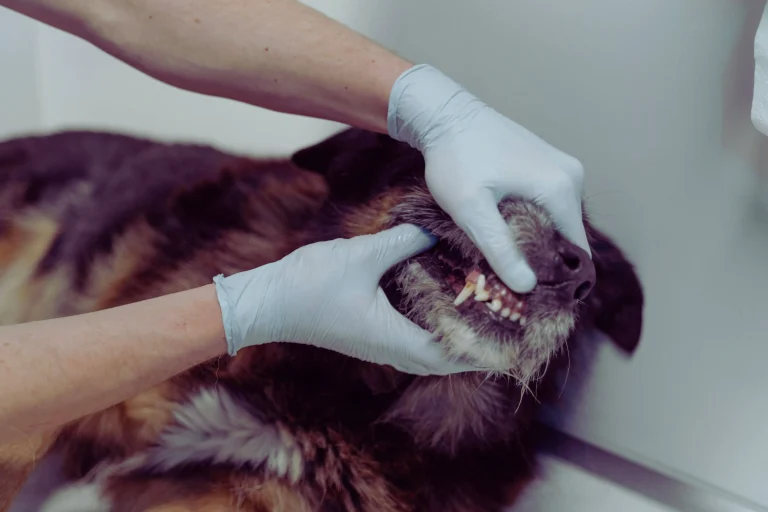
Proper nail care is an essential part of overall pet health. Overgrown nails can cause discomfort, pain while walking, and even lead to injuries or infections.
That’s why pet nail trimming guide for beginners is a must read for every pet owner looking to maintain their furry friend’s well being safely at home.
Many pet owners feel nervous about trimming nails, worried about cutting too short or causing bleeding.
However, with the right techniques and tools, nail care can become a simple, stress free routine.
This vet approved 2025 tutorial provides clear, step by step instructions to help you trim your dog’s or cat’s nails safely, ensuring comfort and confidence for both you and your pet.
Whether you’re seeking dog nail care tips, cat nail trimming safety, or a complete beginner pet grooming guide, this resource covers all the essentials.
From selecting the right clippers and understanding nail anatomy to creating a calm environment and handling potential mishaps, you’ll learn everything needed to keep your pet’s nails healthy, prevent overgrowth, and reduce the risk of injury.
Why Nail Care is Important for Pets
Maintaining proper nail length is a crucial aspect of pet health that often gets overlooked. Regular trimming ensures comfort, prevents injuries, and supports overall mobility.
Following a pet nail trimming guide for beginners can help owners safely manage nail care at home while avoiding common pitfalls.
Proper nail maintenance not only keeps pets physically comfortable but also contributes to their emotional well being, as overgrown nails can cause stress and anxiety during daily activities.
Risks of Neglecting Nail Trimming
Neglecting nail care can lead to painful or ingrown nails, which may make walking, running, or even standing uncomfortable for your pet.
Overgrown nails can alter a pet’s gait, placing unnecessary stress on joints and muscles, potentially leading to long term orthopedic issues.
Pets may also develop behavioral issues, such as reluctance to play, anxiety, or irritability, due to discomfort caused by overgrown nails.
Additionally, excessively long nails increase the risk of accidental scratches to both humans and other pets during play or handling. Broken or split nails can also result in bleeding and infection if not treated promptly.
By following a consistent nail care routine and using the guidance provided in a pet nail trimming guide for beginners, owners can prevent these health risks, ensure comfort, and promote safer, happier interactions with their pets.
Regular nail trimming is a simple yet highly impactful step in maintaining your pet’s overall health and quality of life.
Tools You Need for Safe Nail Trimming
Having the right tools is essential for effective and safe nail care. Using proper equipment not only makes the process
easier but also minimizes the risk of injury for both you and your pet. Following a pet nail trimming guide for beginners ensures you are prepared with the essentials before starting.
Nail Clippers and Grinders
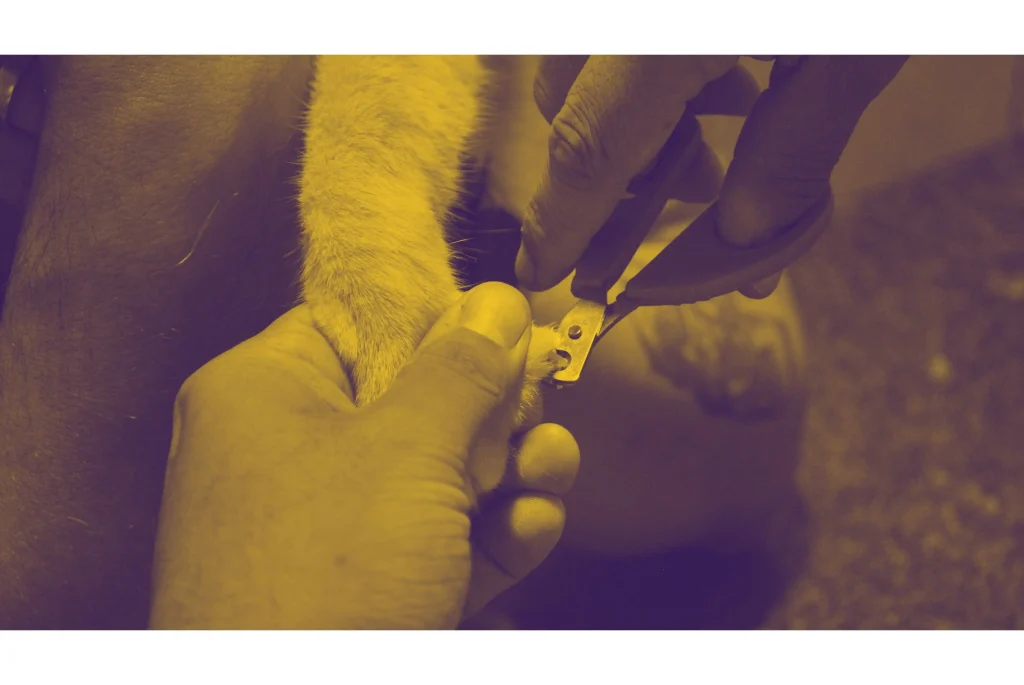
There are several types of nail clippers to consider. Guillotine style clippers are ideal for small to medium sized pets, while scissor style clippers work well for larger or thicker nails.
For finishing touches, electric grinders can smooth rough edges and prevent sharp tips, providing a polished, safe finish without discomfort.
Safety Accessories
Accidents can happen, even with careful trimming. Styptic powder is a must have to quickly stop bleeding if a nail is accidentally cut too short.
Additionally, using non slip surfaces or a stable table ensures your pet stays secure during the grooming session, reducing stress and the risk of sudden movements that could lead to injury.
Choosing Pet Specific Tools
It’s important to use pet specific nail tools rather than human nail clippers. Human clippers are not designed for the thickness or curvature of animal nails and can cause splitting or crushing.
Pet specific tools are designed to cut efficiently while maintaining safety, making the process quicker, safer, and less stressful for your furry companion.
With the right combination of clippers, grinders, and safety accessories, nail trimming becomes a manageable and comfortable part of your pet’s routine.
Step by Step Nail Trimming Instructions
Trimming your pet’s nails can be a stress-free experience when done correctly. Following a pet nail trimming guide for beginners ensures both safety and comfort for your furry companion while building trust during grooming sessions.
Preparing Your Pet
Start by creating a calm and quiet environment. Remove distractions, speak softly, and have treats on hand as rewards. Allow your pet to sniff and explore the clippers or grinder before beginning.
Gently handle their paws to get them accustomed to touch, lifting each paw slowly and checking their comfort level. Short, positive sessions are better than forcing the process, especially for anxious pets.
How to Trim Nails Safely
The key to safe trimming is identifying the quick, the blood vessel inside each nail. For pets with light colored nails, the quick is visible as a pink area, while in dark nails, trim cautiously in small increments.
Cut small amounts at a time at a slight angle, avoiding the quick to prevent bleeding and pain. If unsure, it’s better to trim less frequently and gradually rather than risk cutting too deeply.
Electric grinders can be used to round off edges and reduce the risk of splintering.
Aftercare
Once trimming is complete, smooth any rough edges with a nail file or grinder to prevent snagging on carpets or furniture.
Offer treats and praise to reinforce a positive association with nail care. Regular, gentle handling helps your pet become more comfortable over time, making future trimming easier.
By following this pet nail trimming guide for beginners, owners can confidently maintain nail health, prevent discomfort, and reduce the risk of injuries.
Consistency, patience, and positive reinforcement are key to making nail care a safe and stress free routine for both you and your pet.
Common Mistakes Beginners Make
Even with good intentions, beginners often make mistakes that can lead to stress or injury during nail trimming.
Being aware of these pitfalls helps ensure safe, effective pet nail trimming and a positive experience for both you and your pet.
One of the most frequent errors is cutting too close to the quick, the blood vessel inside the nail. This can cause pain, bleeding, and fear of future nail sessions.
Always trim small amounts gradually, especially on dark nails where the quick is not visible, and use a file or grinder to smooth edges afterward.
Another common mistake is skipping regular trims. Overgrown nails can curl, split, or cause discomfort while walking.
Infrequent trimming makes the process more stressful, as longer nails are harder to cut safely and may increase the risk of injury.
Consistent, short trimming sessions are far more effective than occasional lengthy ones.
Beginners also often ignore pet behavior signals. Signs of anxiety, struggling, or discomfort indicate that your pet may need a break.
Forcing the process can create negative associations, making future nail care more difficult.
Observing your pet’s reactions, working in short sessions, and using positive reinforcement ensures a calmer, safer grooming experience.
By avoiding these mistakes and following a careful, patient approach, beginners can safely manage their pet’s nail health while building trust and comfort during every trimming session.
Tips for Nervous Pets
Trimming nails can be stressful for many pets, especially those new to grooming or sensitive to handling.
Following a pet nail trimming guide for beginners can help owners approach anxious pets safely and build a positive experience over time.
Gradual Desensitization
Start by touching and handling your pet’s paws without attempting to trim. Allow them to become comfortable with having their feet touched and lifted.
Practice these short interactions frequently, gradually introducing the nail clippers or grinder so your pet associates them with calm handling.
Keeping sessions brief and consistent helps prevent overwhelm and builds confidence, making future trims easier.
Positive Reinforcement
Always use treats, praise, and gentle encouragement to reward calm behavior.
Speak in a soft, reassuring tone and maintain a relaxed demeanor, as pets often mirror your emotions. If your pet shows signs of stress, pause the session and try again later, rather than forcing the trim.
Over time, this positive approach fosters trust and reduces anxiety during nail care.
Combining gradual desensitization with consistent positive reinforcement ensures that even nervous pets can tolerate and eventually enjoy their nail trimming routine.
Patience, consistency, and reward based techniques are key elements of any effective pet nail trimming guide for beginners, making nail care safer, calmer, and more successful for both pets and owners.
When to Seek Veterinary Help
While many pet owners can safely trim their pets’ nails at home, certain situations require professional attention to prevent pain, injury, or long term complications.
Recognizing the warning signs ensures your pet receives the care they need and keeps nail trimming safe and effective.
Red Flags
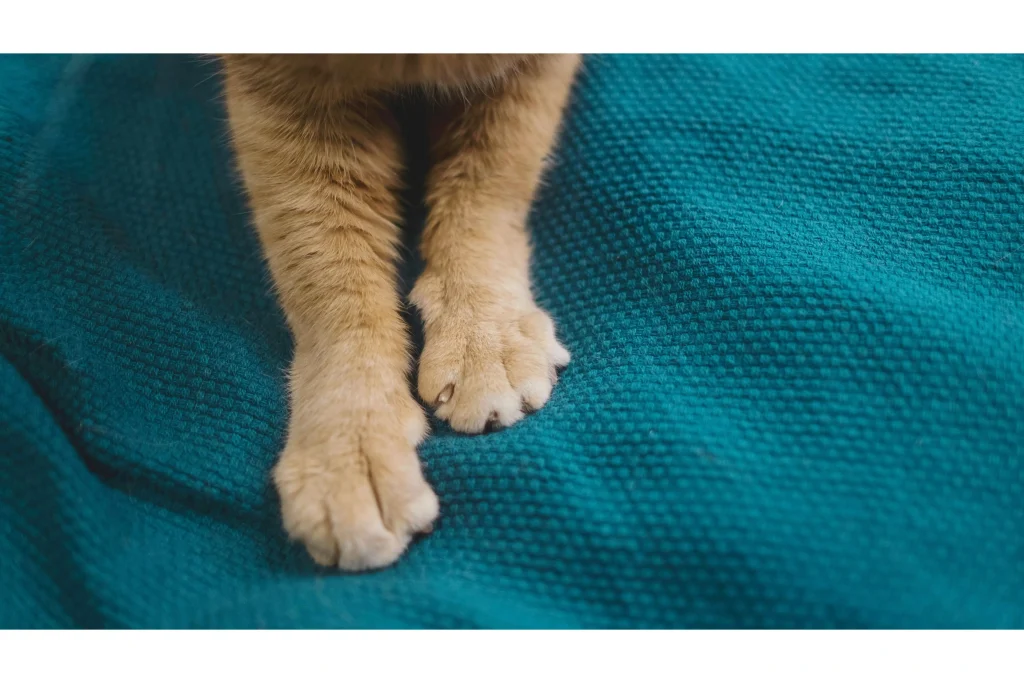
Seek veterinary assistance if your pet has severely overgrown nails, which may curl into the paw pad and cause discomfort or difficulty walking.
Infected, bleeding, or broken nails also need prompt care to prevent further complications.
Pets with chronic nail issues, such as frequent splitting, ingrown nails, or abnormal growth patterns, should be evaluated to identify underlying causes and avoid recurring problems.
Professional Trimming
Veterinarians or professional groomers have the experience and tools to safely handle difficult trims, particularly for anxious pets or those with complex nail problems.
Professional assistance ensures nails are trimmed correctly, reduces the risk of cutting the quick, and provides guidance on proper at home nail care routines.
Regular visits can also help owners build confidence while maintaining their pet’s comfort and health.
Understanding when to seek professional help is an essential part of any pet nail trimming guide for beginners, ensuring nails stay healthy, pain free, and properly maintained.
Final Thoughts on Pet Nail Trimming Guide for Beginners
Regular nail care is an essential part of maintaining your pet’s overall health and comfort. Overgrown nails can lead to pain, difficulty walking, and even long term joint issues, making consistent trimming a must for every pet owner.
By following a pet nail trimming guide for beginners, you can safely manage nail length while building a positive, stress free grooming routine for your furry companion.
Using the right tools, understanding nail anatomy, and trimming gradually are key steps to prevent injury and discomfort.
Incorporating gentle handling, gradual desensitization, and positive reinforcement ensures your pet remains calm and cooperative during each session.
Short, frequent sessions and rewarding your pet with treats and praise can transform nail trimming into a pleasant experience rather than a stressful task.
Remember, professional guidance is always available. If you encounter severely overgrown nails, infections, or chronic issues, consult your veterinarian or a professional groomer.
By combining step by step techniques with safe practices and veterinary support when needed, you can maintain your pet’s nails healthily and confidently.
Start implementing these strategies today to keep your pet comfortable, safe, and happy during every nail trimming session.