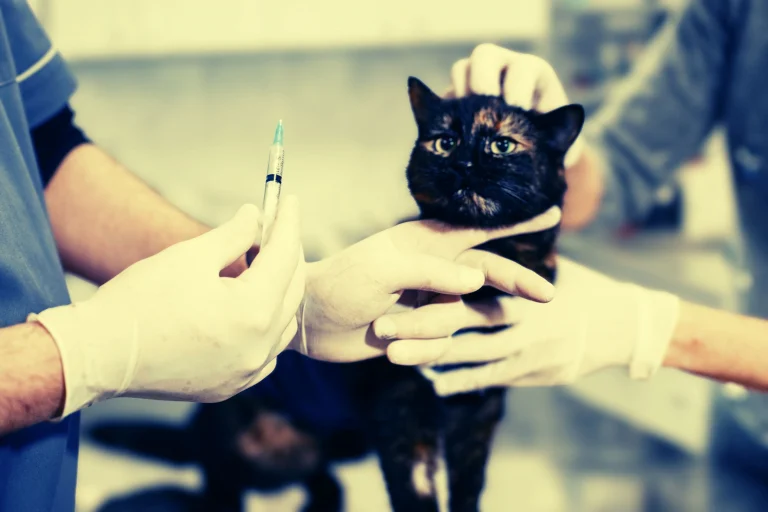
General veterinary care is the foundation of a long, healthy, and happy life for your pet.
From routine checkups to preventive treatments, regular vet care helps detect health issues early, reduces the risk of
common diseases, and ensures your pet receives the proper nutrition, vaccinations, and monitoring they need at every life stage.
This tutorial is designed to guide pet owners especially beginners through the essential care practices that protect pets from avoidable health problems.
You’ll learn simple preventive steps, how to spot early signs of illness, and which routine veterinary services are most important for maintaining lifelong well being.
Whether you’re a new pet parent or looking to improve your current care routine, this resource will help you understand the key elements of responsible pet care in a clear, practical, and easy to follow way.

Understanding General Veterinary Care
General veterinary care includes the essential health services every pet needs to live a long, comfortable, and disease free life. It combines routine checkups, preventive treatments, nutritional
guidance, and early detection strategies to ensure pets stay healthy at every stage of life. Understanding what this care involves helps pet owners make informed decisions and provide the best support for their animals.
What Does General Veterinary Care Cover?
Routine vet care is more than emergency visits it’s a complete system designed to prevent problems before they start. Core components include:
- Wellness Checkups – Regular physical exams to assess overall health, behavior, and body condition.
- Vaccinations – Protection against major illnesses such as rabies, distemper, parvovirus, and feline viral infections.
- Parasite Control – Prevention against fleas, ticks, heartworms, and intestinal worms.
- Nutrition Guidance – Advice on balanced diets, weight control, and food suited to your pet’s age and breed.
- Early Disease Detection – Routine screenings help identify concerns like kidney disease, diabetes, dental issues, or arthritis before symptoms worsen.
These elements work together to maintain your pet’s long term wellness and reduce the risk of serious, costly health problems.
Why Routine Vet Visits Matter
Regular veterinary visits play a crucial role in your pet’s ongoing health and comfort.
- Preventing Common Diseases – Vaccines and parasite prevention protect pets from life-threatening conditions.
- Monitoring Weight, Dental Health, and Aging – Vets track changes in teeth, joints, weight, and organ function as pets grow older.
- Updating Medical Records and Vaccination Schedules – Accurate records ensure your pet stays compliant with legal requirements and receives timely boosters.
Consistent checkups help your vet notice subtle changes early, making treatment easier, faster, and more effective.
How Often Should Pets Visit the Vet?
The ideal veterinary schedule depends on your pet’s life stage:
- Puppies/Kittens
Visit every 3–4 weeks until around 16 weeks old for vaccinations, growth monitoring, deworming, and early training guidance. - Adult Pets (1–7 years)
A yearly wellness exam is recommended to check weight, teeth, heart, joints, and update vaccinations. - Senior Pets (7+ years)
Older pets benefit from twice yearly visits to monitor age related concerns such as arthritis, vision loss, organ function, and cognitive changes.
Regular visits ensure your pet receives the care they need throughout their entire life.
Essential Preventive Care Steps
Preventive care is the easiest and most effective way to keep pets healthy, avoid costly illnesses, and ensure long, happy lives.
By following a consistent routine at home and working with your veterinarian you can protect your pet from common diseases and maintain their overall well being. Below is a simple, step by step guide for everyday pet health care.
Regular Vaccinations and Boosters
Vaccinations play a critical role in protecting pets from dangerous, contagious diseases.
Core vs. Non Core Vaccines
- Core Vaccines: Essential for all pets regardless of lifestyle.
- Dogs: Rabies, Distemper, Parvovirus, Adenovirus
- Cats: Rabies, FVRCP (Feline Viral Rhinotracheitis, Calicivirus, Panleukopenia)
- Non-Core Vaccines: Recommended based on your pet’s environment and risk level.
Examples: Bordetella, Leptospirosis, Lyme, Feline Leukemia
Why Timely Vaccines Matter
- Prevent severe, potentially fatal illnesses
- Reduce disease transmission
- Ensure compliance with local laws (especially rabies)
- Boosters help maintain long term immunity
Keeping your pet’s vaccination schedule updated is one of the strongest defenses against disease.
Parasite Prevention (Fleas, Ticks, Worms)
Parasites can cause infections, allergies, anemia, and life threatening conditions. Monthly prevention is key.
Monthly Preventives
- Use vet recommended spot on treatments, chewables, or collars
- Protects against fleas, ticks, heartworms, and intestinal worms
- Preventives should be given year round, not just seasonally
Environmental Safety Measures
- Keep bedding clean and vacuum frequently
- Treat outdoor areas for ticks if you live in high risk regions
- Check your pet’s coat regularly after walks or outdoor play
Proactive parasite control keeps both pets and humans safe.
Nutrition and Weight Management Basics
A balanced diet is essential for energy, organ function, and long term health.
Balanced Diets
- Choose high quality foods with appropriate protein, fat, and vitamins
- Match diet to your pet’s life stage: puppy/kitten, adult, senior
- Avoid overfeeding treats and table scraps
Identifying Obesity Risks
- Round belly
- Difficulty feeling ribs
- Low activity levels
- Labored breathing during mild exercise
Obesity increases the risk of diabetes, joint issues, and heart disease.
Portion Control
- Follow feeding guidelines on the food label
- Adjust portions based on activity, breed size, and metabolism
- Use a measuring cup for accuracy
Balanced nutrition helps your pet stay energetic and healthy.
Pet Dental Care Essentials
Dental health is often overlooked but extremely important.
Brushing Routines
- Brush your pet’s teeth 2–3 times a week
- Use pet-safe toothpaste (never human toothpaste)
Dental Chews
- Vet approved chews help reduce plaque and tartar buildup
- Choose chews sized appropriately for your pet’s breed
Signs of Oral Disease
- Bad breath
- Drooling
- Red or swollen gums
- Difficulty eating
- Visible tartar buildup
Early dental care prevents infections and long term health issues.
Grooming and Skin Care
Proper grooming keeps your pet clean, comfortable, and free from skin issues.
Bathing Frequency
- Dogs: Every 4–6 weeks (more often for skin conditions, less for sensitive skin)
- Cats: Only when necessary unless long haired or medically required
Coat Brushing
- Reduces shedding
- Prevents matting
- Distributes natural oils for a healthier coat
Detecting Skin Infections Early
- Look for redness, hair loss, bumps, or excessive scratching
- Check ears for odor or wax buildup
- Seek vet care if symptoms persist or worsen
Good grooming habits help catch potential health problems early.

Early Detection of Common Diseases
Catching health problems early is one of the most effective ways to protect your pet from serious illness.
Many conditions such as infections, organ disease, and cancer start with subtle symptoms.
By recognizing early warning signs, pet owners can seek timely veterinary care and improve treatment outcomes. This section teaches you what to look for and when to get immediate help.
Warning Signs to Watch For
Pay close attention to changes in your pet’s daily behavior, appetite, and activity. Early signs of illness often include:
- Changes in Appetite
Refusing food, eating much less than usual, or sudden overeating can signal digestive issues, dental problems, infections, or metabolic diseases. - Lethargy
A sudden drop in energy, reluctance to play, or excessive sleeping may indicate fever, pain, or underlying illness. - Vomiting or Diarrhea
Occasional stomach upset is normal, but repeated episodes can point to infections, parasites, food intolerances, or more serious conditions like pancreatitis. - Unusual Lumps or Swelling
New bumps, rapidly growing masses, or areas of swelling should always be checked by a vet. Early detection is crucial for treatable outcomes.
Monitoring small changes helps you intervene long before conditions become severe.
When to Seek Immediate Veterinary Help
Some symptoms require urgent veterinary care. Contact your vet or visit an emergency clinic right away if your pet shows:
- Difficulty Breathing
Labored breathing, open mouth breathing in cats, or blue tinged gums are emergency signs. - Collapse or Fainting
This may indicate heart issues, internal bleeding, or severe dehydration. - Seizures
Any seizure especially repetitive ones requires immediate evaluation. - Severe Dehydration
Symptoms include sunken eyes, sticky gums, rapid weight loss, or refusal to drink water.
Never wait if you suspect a life threatening condition. Quick action can make all the difference.
Creating a Home Pet Care Routine
A consistent home care routine is one of the best ways to support your pet’s health between veterinary visits.
With simple weekly checks, safe exercise, and organized records, pet owners can prevent minor issues from becoming serious problems.
This section helps you establish an easy, reliable routine that keeps your pet healthy and happy all year long.
Weekly Home Checks
Regular at home inspections help you spot early signs of illness or discomfort. Set aside a few minutes each week to check:
- Ears – Look for redness, odor, wax buildup, or scratching.
- Eyes – Check for redness, discharge, cloudiness, or squinting.
- Teeth – Look for tartar buildup, bad breath, or gum inflammation.
- Nails – Ensure nails aren’t overgrown or cracking.
- Skin & Coat – Scan for flakes, bald patches, bumps, fleas, or ticks.
These quick checks help you detect problems early and keep your pet comfortable.
Safe Exercise and Mental Enrichment
Healthy pets need daily movement and mental stimulation. Tailor activities to your pet’s breed, age, and energy level.
Playtime Ideas
- Fetch, tug toys, or treat puzzles for dogs
- Interactive toys, feather wands, or climbing spaces for cats
- Hide and seek games, simple training sessions, and scent based activities
Avoiding Injury
- Use non slip surfaces for indoor play
- Avoid overexertion in heat
- Choose age appropriate exercise for puppies, seniors, or pets with joint issues
Balanced physical and mental activity helps reduce stress, prevent obesity, and support overall well being.
Keeping Medical Records Updated
Staying organized helps you manage your pet’s health more effectively and ensures nothing is overlooked.
- Tracking Vaccines
Note the dates of core and non core vaccines along with upcoming booster deadlines. - Vet Visit Summaries
Keep copies of exam notes, lab results, and treatment recommendations to track progress over time. - Medication Schedules
Record any monthly preventives, short term prescriptions, or supplements so doses are never missed.
Maintaining accurate records simplifies future vet visits and ensures your pet receives timely, consistent care.

Start Strong: Make General Veterinary Care Part of Your Daily Routine
Regular veterinary care is the backbone of a healthy, happy life for your pet.
From routine checkups and timely vaccinations to parasite prevention, dental care, and early detection of common diseases, each step plays a vital role in protecting your pet’s long term well being.
By combining professional veterinary guidance with consistent at home care, you create a strong foundation that keeps your pet safe, comfortable, and thriving at every stage of life.
Now is the perfect time to take action:
Schedule your pet’s next wellness exam, review their vaccination and parasite prevention schedule, and set up a simple weekly home care routine.
Small, consistent habits like regular grooming, monitoring behavior changes, and updating medical records go a long way in preventing major health issues.
When you make general veterinary care part of your daily life, you’re not just caring for your pet you’re giving them the best chance at a long, joyful future by your side.