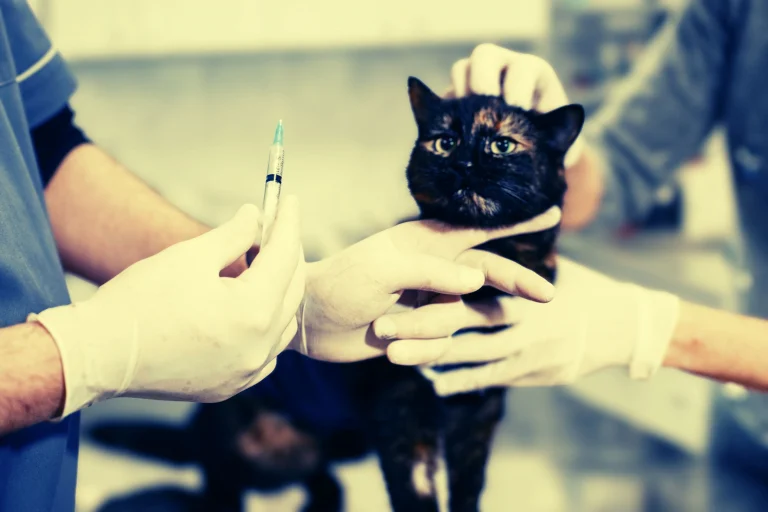
Skin infections are among the most common health issues seen in dogs, affecting pets of all breeds and ages.
These conditions can range from mild itching and redness to severe irritation, scabbing, or even hair loss.
Understanding the dog skin infections causes and cures is essential for every pet owner, as early detection and proper treatment can prevent minor issues from becoming serious or chronic.
Canine skin problems often arise due to allergies, parasites, bacterial or fungal infections, or environmental factors such as humidity and poor hygiene.
Some dogs may also develop dog dermatitis, an inflammatory condition that causes persistent itching and discomfort. Left untreated, these
infections can spread quickly and lead to secondary complications that affect your dog’s overall health and happiness.
This article will guide you through the most common causes of skin infections in dogs, how to recognize early
symptoms, and effective ways to treat and prevent them. From identifying the root cause to treating dog skin infections under veterinary guidance, you’ll learn how to protect your dog’s skin health and ensure a comfortable, itch-free life for your furry friend.

What Are Dog Skin Infections?
Dog skin infections occur when harmful microorganisms, parasites, or other irritants disrupt the natural balance of a dog’s skin, leading to inflammation, redness, itching, and sometimes hair loss.
Dogs are particularly prone to skin infections due to their active lifestyles, exposure to outdoor environments, and grooming habits.
Factors such as wet fur, dirt, and minor scratches can provide entry points for bacteria, fungi, or parasites. Additionally, a dog’s immune system plays a crucial role in preventing infections dogs with weakened immunity are more susceptible to persistent or recurrent skin issues.
Skin infections can range from mild irritations, like occasional itching or redness, to chronic dermatological conditions, which may involve persistent inflammation, scabs, or thickened skin.
While mild irritations often resolve with basic hygiene or topical treatment, chronic conditions require veterinary intervention to manage underlying causes and prevent complications. Recognizing the type of infection early is key to effective treatment and preventing further discomfort for your pet.
Types of Dog Skin Infections
Bacterial Infections (Pyoderma):
These infections occur when bacteria enter through wounds, scratches, or underlying allergies. Symptoms include redness, pustules, and localized hair loss.
Fungal Infections (Yeast, Ringworm):
Fungi thrive in warm, moist areas such as ears, paws, or skin folds. Yeast infections often cause odor and greasy skin, while ringworm leads to circular hairless patches.
Parasitic Infections (Mites, Fleas):
Parasites irritate the skin directly and can trigger secondary bacterial infections. Signs include intense itching, scratching, and visible parasites or flea dirt.
Understanding the type of skin infection is the first step in treating dog skin infections effectively and keeping your pet comfortable.
Common Causes of Dog Skin Infections
Understanding the root causes of dog skin infections is essential for prevention and effective treatment.
Several factors can trigger or worsen skin problems in dogs, ranging from environmental irritants to underlying medical conditions.
By identifying these risk factors, pet owners can take proactive steps to protect their dog’s skin health and comfort.
Allergies and Environmental Factors
Allergies are one of the most common causes of skin infections in dogs. Environmental allergens such as pollen, dust mites, mold, and even seasonal changes can irritate the skin, leading to excessive scratching and inflammation.
Food allergies are another major trigger, often causing chronic itching that makes the skin more vulnerable to bacterial or fungal infections.
Recognizing and minimizing exposure to these allergens is key to preventing recurring skin issues.
Poor Hygiene or Grooming

Hygiene plays a significant role in skin health. Dogs that are not bathed regularly or have dirty bedding can accumulate bacteria, fungi, and debris on their skin, creating the perfect environment for infections.
On the other hand, overbathing can strip the skin of natural oils, weakening its protective barrier and increasing susceptibility to irritation and infection.
Maintaining a balanced grooming routine helps preserve healthy skin while reducing infection risks.
Underlying Health Conditions
Certain medical conditions can make dogs more prone to skin infections. Thyroid disorders can affect the skin’s thickness and oil production, while immune deficiencies reduce the body’s ability to fight off bacteria, fungi, and parasites.
Dogs with these conditions require careful monitoring, targeted treatment, and sometimes specialized diets or medications to support skin health.
By understanding these triggers and risk factors, dog owners can take preventive measures, identify early symptoms, and seek timely veterinary care for treating dog skin infections effectively.
Recognizing Symptoms of Skin Infections in Dogs
Identifying skin infections early is crucial for preventing discomfort and more serious complications in dogs.
Pet owners should pay close attention to changes in their dog’s skin, coat, and behavior, as even subtle signs can indicate an underlying problem.
Early detection allows for prompt treating dog skin infections and improving overall skin health.
Early Warning Signs
Some of the first indicators of a skin infection include persistent scratching or licking, often focused on specific areas of irritation.
Dogs may also develop red patches, bumps, or scaly skin, signaling inflammation or irritation. These early symptoms may appear sporadically at first but tend to worsen if left untreated.
Regularly checking your dog’s coat and skin for such changes can help catch infections before they become severe.
Advanced Symptoms
If a skin infection progresses, more obvious signs may appear. Hair loss, oozing sores, or a foul odor are clear indicators that the infection has intensified.
In some cases, dogs may also show behavioral changes, such as increased irritability, restlessness, or lethargy, reflecting discomfort or pain.
Advanced infections often require veterinary intervention, including medications or specialized treatments, to restore skin health and prevent further complications.
Monitoring your dog closely for both early and advanced symptoms ensures timely care and significantly improves the chances of successfully managing and treating dog skin infections.
Veterinary Diagnosis and Treatment Options
Proper veterinary diagnosis is essential for successfully managing dog skin infections.
Because the symptoms of skin problems can overlap with allergies, parasites, or underlying health conditions, a veterinarian’s evaluation ensures the correct cause is identified and treated effectively.
Early professional intervention can prevent infections from worsening and reduce discomfort for your dog.
Common Diagnostic Tests
Skin Scrapings:
This test involves collecting a small sample of the affected skin to examine under a microscope. It helps identify mites or fungal spores that may be causing the infection.
Culture Tests:
By taking a swab of the infected area, veterinarians can grow bacteria in a lab to pinpoint the exact bacterial cause of the infection. This allows them to choose the most effective antibiotic treatment.
Allergy Testing:
If infections are recurrent, allergy testing can uncover underlying triggers such as environmental allergens or food sensitivities that contribute to chronic skin problems.
Effective Cures and Medications
Treatment depends on the type and severity of the infection. Topical ointments and medicated shampoos (antifungal or antibacterial) are commonly prescribed to soothe irritation and eliminate pathogens.
In more severe cases, oral antibiotics or anti itch medications may be necessary to control inflammation and treat systemic infections.
Regular follow ups are critical to monitor recovery progress and adjust treatment plans as needed. Vets may also recommend changes in diet, grooming routines, or environmental management to prevent future infections.
With the right combination of diagnosis, targeted treatment, and preventive care, most dogs can recover fully and maintain healthy, comfortable skin.
Home Remedies and Supportive Care
In addition to veterinary treatment, certain home remedies and supportive care practices can help manage dog skin infections and promote faster healing.
While these methods should never replace professional care, they can complement medical treatments and provide comfort for your dog.
Natural Soothing Solutions
Soothing baths using oatmeal or aloe vera can help relieve itching, redness, and inflammation caused by skin infections.
Oatmeal has gentle exfoliating and moisturizing properties, while aloe vera helps calm irritated skin and supports healing.
Applying coconut oil to dry patches can also moisturize the skin and create a protective barrier, reducing the risk of secondary infections. These remedies are safe for most dogs but should be applied in moderation and only on intact skin.
Proper Grooming and Hygiene Habits
Maintaining good grooming practices is essential in preventing recurrent infections. Regular brushing removes dirt, loose hair, and debris that can harbor bacteria or fungi.
Effective flea and tick control is also critical, as parasites often trigger or worsen skin issues. Ensure your dog’s bedding is clean and grooming tools are sanitized to minimize exposure to pathogens.
Consistency in hygiene routines not only supports healing but also reduces the likelihood of future skin infections.
By combining natural soothing solutions with proper hygiene and preventive care, you can significantly improve your dog’s skin health while supporting veterinary treatments for treating dog skin infections.
Preventing Future Skin Infections in Dogs
Prevention is always better than cure when it comes to dog skin infections. By implementing consistent care routines, monitoring your
dog’s health, and addressing potential triggers early, you can significantly reduce the risk of recurrent infections and keep your pet comfortable and happy.
Balanced Diet and Supplements
A healthy diet plays a crucial role in maintaining strong, resilient skin. Omega-3 fatty acids, found in fish oil or certain supplements, help reduce inflammation and support a shiny, healthy coat.
Probiotics can strengthen the immune system, making your dog less susceptible to bacterial and fungal infections.
Feeding high quality, vet recommended food tailored to your dog’s needs ensures they receive the nutrients necessary for optimal skin health.
Regular Vet Visits and Skin Checks
Routine veterinary visits are key to catching issues before they escalate. Early detection of allergies, infections, or parasites allows for prompt intervention, reducing the likelihood of chronic skin problems.
Maintaining vaccination and deworming schedules also helps protect your dog from infections that can affect the skin and overall health.
In addition to vet care, performing regular skin checks at home looking for redness, bumps, or hair loss enables you to spot early warning signs.
Coupled with a balanced diet, proper grooming, and a clean environment, these measures form a comprehensive approach to preventing future dog skin infections and ensuring long term wellbeing.

Final Thoughts on Dog Skin Infections Causes and Cures
Understanding the causes and cures of dog skin infections is essential for keeping your furry friend healthy, comfortable, and happy.
Skin infections can arise from a variety of factors, including allergies, parasites, poor hygiene, or underlying health conditions.
Recognizing early symptoms such as persistent scratching, redness, or hair loss allows for timely intervention, preventing minor irritations from developing into more serious complications.
Proper care involves a combination of veterinary treatment, supportive home remedies, and preventive practices.
Maintaining good grooming habits, providing a balanced diet rich in nutrients like omega 3 fatty acids, and ensuring regular vet checkups all play a critical role in promoting healthy skin and preventing infections.
In addition, monitoring your dog’s behavior and skin condition regularly can help you catch issues early and address them effectively.
By staying vigilant and proactive, pet parents can significantly reduce the risk of recurrent infections and ensure their dogs enjoy a comfortable, itch free life.