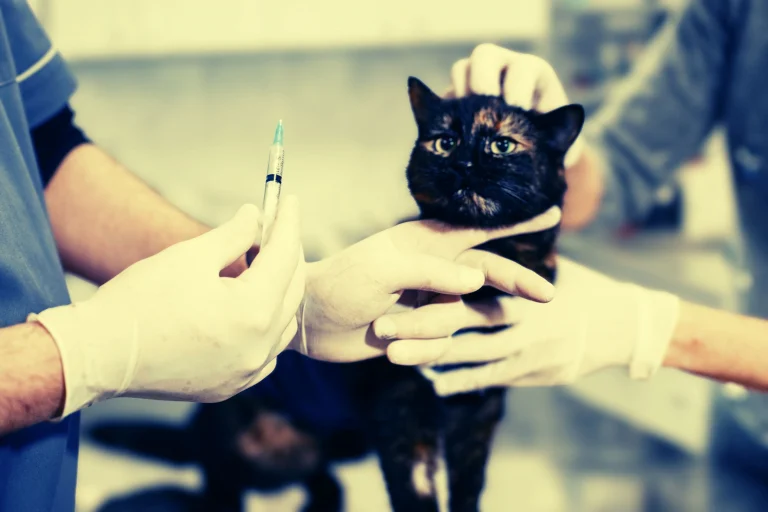
Mobility issues are becoming increasingly common among pets of all ages.
Conditions such as arthritis, hip dysplasia, ligament injuries, obesity, and natural aging can gradually limit a pet’s ability to walk, climb, jump, or play comfortably.
These joint related problems can significantly affect their quality of life, making early support and proper care essential.
This tutorial is designed to guide pet owners through practical, effective ways to improve mobility in pets with joint problems. You’ll learn how to provide supportive home care, implement lifestyle adjustments, recognize
symptoms early, and understand which veterinary recommended treatments can help your pet move more comfortably.
Whether your pet is struggling with stiffness, pain, or reduced mobility, this guide offers clear, actionable steps to help them stay active, healthy, and comfortable.

What Causes Joint Problems in Pets?
Joint problems in pets can develop for many reasons, and understanding the underlying cause is the first step toward improving mobility.
Whether the issue stems from age, genetics, injury, or lifestyle, early recognition helps owners take the right steps to support their pets’ comfort and long term health.
Below are the most common conditions that affect mobility in dogs and cats.
Age Related Degenerative Joint Issues
As pets get older, their joints naturally begin to wear down.
- Osteoarthritis
This is the most common cause of chronic joint pain in senior pets. Cartilage breaks down over time, leading to inflammation, stiffness, and limited movement. - Stiffness and Reduced Flexibility
Aging pets may struggle to get up, climb stairs, or play as they once did. Reduced joint lubrication and muscle loss contribute to slower, more painful movements.
Degenerative issues tend to progress gradually, making early support and treatment essential.
Genetic or Breed Based Joint Disorders
Some breeds are more likely to develop inherited or structural joint abnormalities.
- Hip Dysplasia
A malformed hip joint causes instability, leading to arthritis and pain. Common in larger breeds, but can affect any dog. - Luxating Patella
The kneecap slips out of place, causing sudden limping or skipping steps. Often seen in small and toy breeds.
These conditions can appear early in life and may require long term management or surgical correction.
Injury Related Mobility Problems
Accidents and overexertion can cause sudden mobility issues in otherwise healthy pets.
- Sprains and Fractures
These injuries can damage bones, ligaments, and surrounding tissues, resulting in temporary or long-term mobility challenges. - Muscle or Tendon Damage
Strains, tears, or inflammation in soft tissues can cause limping, swelling, or reduced range of motion.
Prompt veterinary care is crucial to ensure proper healing and to prevent chronic joint instability.
Obesity and Lifestyle Factors
Lifestyle plays a significant role in joint health.
- Excess Weight Pressure
Carrying extra weight places constant stress on joints, accelerating cartilage breakdown and worsening pain. - Lack of Regular Low Impact Exercise
Without routine movement, joints become stiff and muscles weaken, reducing mobility and increasing injury risk.
Weight management and consistent exercise are key to preventing and managing joint problems.
How to Improve Mobility in Pets With Joint Problems
Helping pets with joint problems requires a combination of veterinary care, gentle exercise, lifestyle management, and a supportive home environment.
The following steps provide practical, easy to follow guidance for improving your pet’s comfort and mobility whether they struggle with arthritis, hip dysplasia, past injuries, or age related stiffness.
Step 1 Schedule a Complete Veterinary Exam
Before starting any mobility plan, a full veterinary evaluation is essential.
- Diagnose Underlying Joint Issues
Your vet may use physical exams, X rays, or blood work to identify arthritis, dysplasia, ligament injuries, or inflammation. - Get Tailored Treatment Recommendations
Your vet can suggest the best approach for your pet, including pain medications, joint supplements, physical therapy, or specialty referrals.
A proper diagnosis ensures you take safe, effective steps without worsening the condition.
Step 2 Introduce Joint Friendly Exercise Routines
Consistent low impact exercise helps maintain joint function and muscle strength.
- Short, Frequent Walks
Gentle walks strengthen muscles without causing strain. Avoid jumping, running, or uneven ground. - Swimming or Hydrotherapy
Water supports the body and reduces joint pressure while improving strength and flexibility. - Controlled Indoor Play
Slow games, puzzle toys, and mobility safe activities help keep pets active without overexertion.
Exercise should always be tailored to your pet’s tolerance and comfort.

Step 3 Use Mobility Aids When Needed
Mobility aids reduce strain and help pets move safely around the home.
- Ramps
Ideal for helping pets access beds, couches, or cars without jumping. - Support Harnesses
Assist pets who have difficulty standing, climbing stairs, or maintaining balance. - Non Slip Flooring
Rugs, mats, and traction stickers prevent slips that can worsen joint pain or cause new injuries.
These tools make everyday movement easier and reduce the risk of falls.
Step 4 Optimize the Home Environment
Small changes around the house can improve comfort and mobility.
- Orthopedic Beds
Provide joint support and relieve pressure points. - Warm Sleeping Areas
Warmth soothes stiff joints, especially in older pets. - Easy Access Spaces
Keep food bowls, litter boxes, and resting areas in easily reachable locations to minimize strain.
A comfortable, accessible environment reduces pain and encourages gentle movement.
Step 5 Maintain a Healthy Weight
Proper weight management is one of the most effective ways to reduce joint stress.
- Portion Control
Measure meals and follow vet recommended feeding guidelines. - Low Calorie Diets
Ideal for overweight pets who need to lose weight without sacrificing nutrition. - Vet Approved Weight Loss Plans
Customized plans help ensure safe, steady progress while protecting joint health.
Maintaining a healthy weight significantly improves mobility and reduces long term joint damage.
Treatments and Supplements for Improving Joint Mobility
Improving mobility in pets with joint problems often requires a combination of medical treatment, natural supplements, and supportive therapies.
These options help reduce inflammation, ease pain, and protect joint cartilage allowing pets to move more comfortably.
Always discuss new treatments with your veterinarian to ensure they are safe and appropriate for your pet’s condition.
Veterinary Prescribed Medications
Vet-prescribed medications are often essential for pets experiencing moderate to severe joint discomfort.
- Anti-Inflammatory Drugs
Non-steroidal anti inflammatory drugs (NSAIDs) help reduce swelling and pain, improving overall mobility. - Pain Relievers
Used when pets need additional support for chronic or acute pain. These medications make movement more comfortable and encourage activity. - Disease-Modifying Osteoarthritis Drugs (DMOADs)
These help slow cartilage deterioration and support long term joint health, addressing osteoarthritis at the source rather than only managing symptoms.
These medications should only be used under veterinary supervision to avoid side effects.
Joint Supplements to Boost Mobility
Natural supplements can support joint lubrication, cartilage repair, and inflammation control.
- Glucosamine & Chondroitin
Commonly used to protect cartilage, improve flexibility, and slow joint degeneration. - Omega-3 Fatty Acids
Found in fish oil, these powerful anti inflammatory nutrients help reduce joint stiffness and pain. - Green-Lipped Mussel
A naturally rich source of omega 3s, antioxidants, and joint-soothing compounds that support mobility in both dogs and cats.
Supplements work best when used consistently and paired with proper exercise and weight management.
Alternative Therapies
Complementary therapies can significantly improve mobility while reducing dependence on medication.
- Laser Therapy
Uses targeted light to decrease inflammation, relieve pain, and speed tissue healing. - Physiotherapy
Guided exercises help strengthen muscles, improve range of motion, and restore functional movement safely. - Acupuncture
Stimulates nerves and increases blood flow to reduce pain and promote healing in stiff or arthritic joints.
These therapies are especially helpful for chronic conditions and older pets who benefit from gentle, hands on care.
Daily Care Tips to Keep Pets Active and Comfortable
Small, consistent care habits can make a big difference in helping pets with joint problems stay active and comfortable.
These daily tips support mobility, reduce stiffness, and help you monitor your pet’s overall progress at home.
Gentle Range of Motion Exercises
Simple at-home exercises can help pets maintain flexibility and reduce joint stiffness.
- Stretching
Gently extend your pet’s legs in a natural motion to keep muscles loose and joints moving comfortably. - Slow Limb Rotations
Carefully rotate each limb in small circles to support joint mobility and improve fluid movement.
Perform only if your pet does not show signs of pain.
These exercises should be slow, controlled, and always stopped immediately if your pet seems uncomfortable.

Heat and Cold Therapy
Temperature based therapies can soothe sore joints and manage inflammation.
- Warm Compresses
Applying gentle heat helps relax stiff muscles and increase blood flow, making movement easier especially first thing in the morning. - Cold Packs for Swelling
Ice packs wrapped in a towel reduce inflammation after more active days or flare ups of joint pain.
Always limit applications to 10–15 minutes and avoid direct contact with skin to prevent irritation.
Monitoring Your Pet’s Progress
Tracking daily changes ensures you can adjust care early and detect worsening symptoms.
- Track Mobility Levels
Note improvements or setbacks in walking, climbing stairs, or getting up from resting positions. - Signs of Pain Escalation
Watch for limping, vocalization, reluctance to move, or changes in posture. - When to Revisit the Vet
Schedule a follow up visit if pain increases, mobility declines, or current treatments stop working.
Consistent monitoring helps keep your pet comfortable and ensures timely veterinary adjustments.
Take Action Today: Support Better Mobility in Pets With Joint Problems
Joint problems can significantly affect a pet’s quality of life, but early intervention and consistent care make a real difference.
By combining veterinary guidance, gentle daily exercise, weight management, supportive home adjustments, and safe supplements or therapies, you can help your pet stay active, comfortable, and happy for years to come.
Start applying these mobility improving steps today: schedule a veterinary exam to identify underlying joint issues, introduce low impact exercises, optimize your home environment, and maintain a healthy weight for your pet.
Monitoring progress and adjusting care as needed ensures your pet receives personalized support tailored to their condition.
Don’t wait taking proactive action now preserves mobility, reduces pain, and gives your furry companion the best chance to enjoy a full, active life. Consult your veterinarian for guidance on the safest and most effective treatments for your pet’s unique needs.