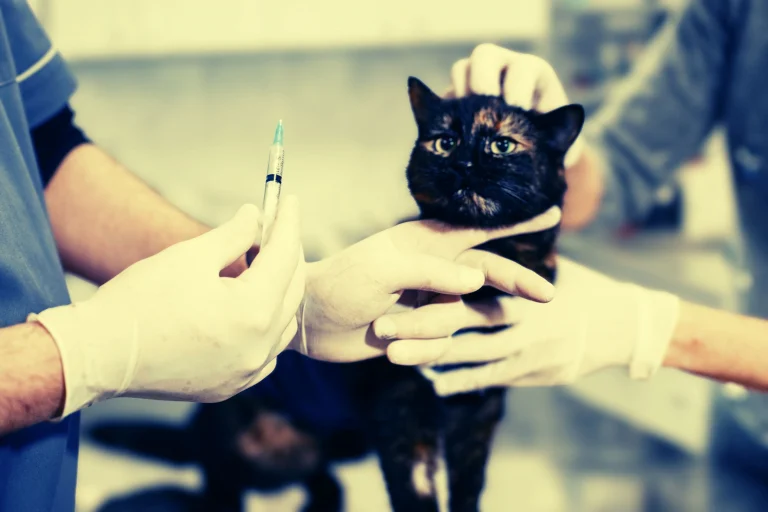
Kidney disease is one of the most common health issues affecting cats, particularly as they age.
Unfortunately, the early signs of kidney disease in cats can be subtle and easy to miss, leading many pet owners to discover the condition only after significant damage has occurred.
Early diagnosis, however, can make a life changing difference helping extend your cat’s lifespan and maintain their quality of life.
In this guide, we’ll explore how to recognize the early warning signs, understand what causes kidney disease, and learn when it’s time to consult your veterinarian.
You’ll also discover effective ways to support feline renal health through proper nutrition, hydration, and routine monitoring. Whether your cat is showing mild changes in behavior or you’re simply being proactive, this article will help you identify cat kidney failure symptoms before they become severe.
By understanding and acting on these early indicators, you can play a vital role in managing chronic kidney disease in cats and ensuring your furry companion lives a longer, healthier life.

What Is Kidney Disease in Cats?
The kidneys are essential organs that filter waste and toxins from your cat’s blood, maintain proper hydration, balance electrolytes, and help regulate blood pressure.
They also produce hormones that support red blood cell production and overall health. When the kidneys stop working as they should, harmful substances start to build up in the bloodstream.
This toxic buildup can make your cat feel tired, lose appetite, and become dehydrated signs that often appear slowly and may go unnoticed at first.
Kidney disease in cats occurs when these vital organs become damaged and can no longer perform their normal functions.
The condition can range from mild to severe and may develop suddenly or progress gradually over time.
Because the kidneys play such an important role in cleansing the body, even a partial loss of function can have serious effects on your cat’s wellbeing. Early detection and proper management are key to slowing down the disease and helping your cat live comfortably.
Types of Kidney Disease
Acute Kidney Disease:
This form develops suddenly, often caused by infections, exposure to toxins (like antifreeze or certain plants), or trauma.
It can sometimes be reversed if treated promptly, making immediate veterinary care essential.
Chronic Kidney Disease (CKD):
This is a slow, progressive condition commonly seen in older cats. Over time, the kidney tissues deteriorate, and waste builds up in the body.
While CKD cannot be cured, early diagnosis and proper care can significantly improve a cat’s quality of life.
Early Signs of Kidney Disease in Cats
Recognizing the early signs of kidney disease in cats can be challenging because the symptoms often appear slowly and may seem like normal aging changes.
However, paying close attention to subtle differences in your cat’s behavior, eating habits, and appearance can make all the difference.
Detecting the condition early allows for timely veterinary care and lifestyle adjustments that can greatly improve your cat’s comfort and longevity. Below are some of the most common early indicators cat owners can watch for at home.
Changes in Drinking and Urination Habits
One of the first noticeable signs is increased thirst, known as polydipsia. You may see your cat drinking from their bowl more often or even from unusual places like faucets or toilets.
This happens because the kidneys lose their ability to concentrate urine, causing your cat to become dehydrated. To compensate, they drink more water.
Along with this, frequent urination or accidents outside the litter box can occur. Your cat may produce more urine than usual or struggle to make it to the box in time.
Sometimes, the litter may seem wetter than normal due to excessive urination.
Appetite and Weight Changes
Cats with early kidney problems may start showing a loss of appetite or become more selective about their food.
The buildup of waste in the bloodstream can make them feel nauseous, leading to reduced interest in eating.
Over time, even with regular feeding, they may experience gradual weight loss as their body struggles to maintain muscle and fat stores.
Behavioral and Appearance Indicators
As toxins accumulate, you may notice lethargy your cat sleeping more, playing less, or appearing generally weak.
Their once glossy coat may turn dull or unkempt due to poor grooming habits. Another warning sign is bad breath or even small mouth ulcers, which are caused by toxin buildup in the blood.
These subtle changes might seem minor, but together they often point toward developing kidney issues that need prompt veterinary attention.
Common Causes and Risk Factors
Kidney disease in cats can develop from a variety of causes, many of which are preventable with the right care and attention.
Understanding what leads to this condition can help cat owners take early steps to protect their feline companions and promote long term kidney health.
Age and Breed Predisposition
Age is one of the most significant risk factors for kidney disease. As cats grow older, their kidney tissues naturally begin to wear down, reducing their ability to filter waste efficiently.
This makes senior cats typically those over seven years old more prone to chronic kidney disease. Certain breeds such as Persians, Abyssinians, and Siamese are genetically predisposed to kidney problems due to inherited structural or functional abnormalities.
Regular checkups become especially important for these breeds to catch early changes in kidney function.
Environmental and Dietary Factors
Cats that don’t drink enough water are at a higher risk of developing kidney issues. Dehydration over time forces the kidneys to work harder, which can accelerate damage.
A poor quality diet, particularly one high in sodium or low in moisture, can also strain the kidneys. Feeding your cat a balanced, vet approved diet and ensuring constant access to fresh water are vital preventive measures.
Medical Causes
Certain health conditions can also contribute to kidney disease. Urinary tract infections that go untreated, dental disease (which allows bacteria to enter the bloodstream), and toxin exposure such as antifreeze, lilies, or certain medications can all harm kidney function.
Prompt treatment of infections and careful monitoring of your cat’s environment can go a long way in preventing these medical triggers.
Diagnosis and Veterinary Care
Diagnosing kidney disease in cats requires a careful combination of observation, laboratory testing, and professional veterinary evaluation.
Because the early signs of kidney disease in cats can be subtle, regular vet visits are crucial especially for older or high risk cats.
Early detection not only helps slow the progression of the disease but also allows for timely treatment and better quality of life.
When a veterinarian suspects kidney disease, they will perform a series of tests to assess how well the kidneys are functioning and to rule out other possible causes of symptoms like increased thirst or weight loss.
These tests provide a clear picture of your cat’s internal health and guide the development of an effective treatment plan.

Common Diagnostic Tests
ELISA Blood Test:
This test measures specific markers in the blood that indicate kidney function. It helps detect abnormalities early, even before visible symptoms become severe.
Urinalysis:
A urinalysis examines your cat’s urine for signs of protein, blood, or dilution, which can reveal how efficiently the kidneys are filtering waste.
Elevated protein levels are a key indicator of kidney stress or damage.
Ultrasound or X-rays:
Imaging tools like ultrasounds and X-rays allow the vet to visualize the kidney’s size, shape, and structure. These scans can detect cysts, stones, or tumors that may contribute to kidney dysfunction.
Role of the Veterinarian
Your veterinarian’s role goes far beyond diagnosis. They interpret lab results to determine the stage and severity of the disease, then design a treatment plan tailored to your cat’s needs.
This may include hydration therapy, medication, and dietary changes to support renal health.
Regular follow up visits and ongoing monitoring are essential to track progress, adjust treatment, and ensure your cat remains comfortable and stable throughout the course of the disease.
Caring for Cats Diagnosed with Kidney Disease
Managing a cat with kidney disease requires patience, consistency, and a focus on maintaining comfort and quality of life.
While chronic kidney disease (CKD) cannot be cured, it can be effectively managed with proper nutrition, hydration, veterinary monitoring, and a stress free environment.
With attentive care, many cats with CKD can live happy, fulfilling lives for years after diagnosis.
Nutrition and Hydration Support
Diet plays a major role in supporting cats with kidney problems. Vets typically recommend a low protein, low phosphorus diet,
which helps reduce the workload on the kidneys and minimize toxin buildup in the blood.
Specialized prescription diets are available and can make a noticeable difference in how your cat feels.
Ensuring adequate hydration is equally important. Cats with kidney disease often lose more water through urine, so they need additional fluid intake.
Encourage drinking by offering wet food, setting up cat fountains, or placing multiple water bowls around the home. Some cats may also benefit from subcutaneous fluid therapy, which your vet can teach you to administer at home.
Regular Vet Checkups
Ongoing veterinary care is vital for managing CKD. Schedule checkups every 3–6 months to track kidney values, assess overall health, and adjust treatment as needed.
Your vet may modify medications or diet based on test results to keep your cat’s condition stable and comfortable.

Home Comfort and Stress Reduction
Creating a calm and consistent environment helps your cat feel secure. Keep food, water, and litter boxes easily accessible, especially for older cats.
Avoid dehydration by maintaining a comfortable room temperature and preventing exposure to heat.
Reducing household stress such as loud noises or frequent changes also helps your cat stay relaxed, which supports better overall health and kidney function.
Final Thoughts on Early Signs of Kidney Disease in Cats
Recognizing the early signs of kidney disease in cats is one of the most important steps a pet owner can take to ensure their feline friend’s long term health and happiness.
Subtle changes like increased thirst, weight loss, or reduced grooming might seem harmless at first but can signal the beginning of serious kidney issues.
Catching these symptoms early allows for prompt veterinary intervention, which can slow disease progression and greatly improve your cat’s comfort and lifespan.
By paying close attention to your cat’s drinking habits, appetite, and behavior, you can spot small but significant changes before they become major health problems.
Routine checkups, proper hydration, and a balanced diet are key to maintaining strong feline renal health. Remember, your vigilance and quick action can make all the difference between early management and late stage complications.