A healthy coat and skin are essential to your dog’s comfort, appearance, and overall well being.
Routine grooming and preventive care do far more than keep your dog looking clean they help reduce the risk of skin infections, control shedding, prevent parasites, and allow you to catch early signs of health issues.
When your dog’s skin and coat are well maintained, they feel more comfortable, stay better protected, and enjoy a higher quality of life.
This tutorial will guide you through safe, simple, and effective ways to maintain your dog’s coat and skin health at home.
You’ll learn grooming basics, preventive steps, and daily habits that support long term skin wellness all easy to follow and suitable for dogs of all breeds and coat types.

Understanding Your Dog’s Coat and Skin Needs
Every dog has unique coat and skin requirements, and understanding these needs is the first step toward proper grooming and preventive care.
Different coat types, skin sensitivities, and overall health conditions all influence how often your dog should be groomed and what type of products or routines will work best.
Different Coat Types and Their Care Requirements
Each coat type needs its own grooming approach to stay healthy:
- Short Coat
Low maintenance but still benefits from weekly brushing to remove loose fur and dirt. - Double Coat
Includes breeds with an undercoat and outer coat. Regular brushing helps manage shedding and prevent matting, especially during seasonal shedding. - Long Coat
Longer fur requires frequent brushing to avoid tangles, mats, and trapped debris. - Curly Coat
Curly-haired dogs often need routine trimming and brushing to prevent matting and maintain a healthy texture.
Coat type directly affects how often you groom, bathe, and check your dog for skin concerns.
Common Skin Concerns in Dogs
Skin problems are common and can affect dogs of all ages and breeds:
- Dryness and Itching
Often caused by weather changes, nutritional imbalances, or underlying allergies. - Hot Spots
Inflamed, infected patches that develop from licking, biting, or moisture trapped under the coat. - Allergies and Parasites
Fleas, mites, or environmental allergens can trigger irritation, rashes, and hair loss.
Recognizing these issues early helps prevent discomfort and more serious infections.
Signs Your Dog Needs More Skin or Coat Support
Pay attention to your dog’s appearance and behavior:
- Excessive Shedding
More shed hair than usual may signal stress, allergies, or nutritional deficiencies. - Dull or Rough Coat
Can indicate poor grooming, inadequate nutrition, or potential skin issues. - Scratching or Licking
Persistent itching may point to parasites, allergies, or early skin irritation.
Spotting these signs early allows you to adjust grooming routines or seek veterinary advice before the problem worsens.
Safe Ways to Maintain Your Dog’s Coat and Skin Health
Keeping your dog’s coat and skin healthy doesn’t have to be complicated. With a few simple, consistent habits, you can prevent common skin issues, reduce shedding, and keep your dog looking and feeling their best.
Follow these easy, vet approved steps to maintain coat and skin wellness safely at home.

Step 1 Brush Regularly Using the Right Tools
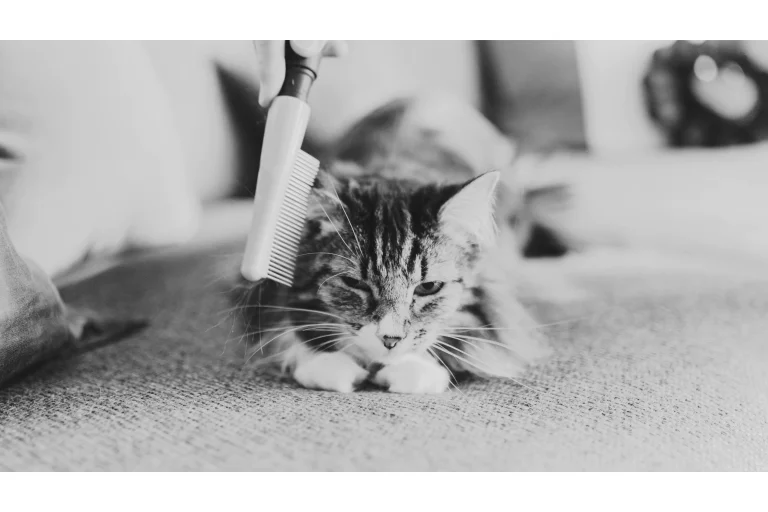
Brushing is one of the most effective ways to maintain coat health.
Benefits:
- Reduces shedding
- Prevents tangles and matting
- Stimulates natural oils for a shiny, healthy coat
Recommended Brushes by Coat Type:
- Short Coat: Bristle brush or rubber curry brush
- Double Coat: Undercoat rake + slicker brush
- Long Coat: Pin brush + detangling comb
- Curly Coat: Slicker brush + wide-tooth comb
Regular brushing daily for long or curly coats, weekly for short coats keeps the coat clean and prevents hidden skin issues.
Step 2 Use Gentle, Vet Approved Shampoos
Bathing plays a major role in skin health, but only when done safely.
- Avoid harsh chemicals such as sulfates, parabens, artificial fragrances, and human shampoos.
- Use vet-approved, pH balanced dog shampoos to protect the skin barrier.
Bathing Frequency Guidelines:
- Short coat: Every 4–6 weeks
- Double coat: Every 6–8 weeks
- Long/curly coat: Every 3–4 weeks
Overbathing can dry out the skin, so choose gentle formulas and rinse thoroughly.
Step 3 Moisturize the Skin Naturally
Proper hydration keeps the skin flexible, nourished, and less prone to itching.
- Coconut oil (light use): Apply a small amount and massage into dry areas only avoid overuse to prevent greasiness.
- Vet-approved sprays & conditioners: Great for maintaining moisture, reducing static, and improving coat softness.
Moisturizing is especially helpful during cold or dry seasons.
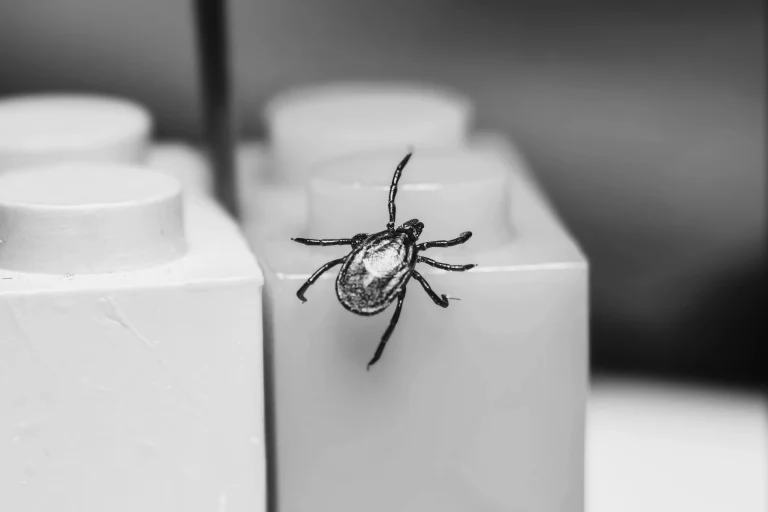
Step 4 Keep Parasites Away Safely
Parasites are one of the top causes of skin irritation.
- Use flea and tick preventives recommended by your veterinarian.
- Choose safe options such as topical treatments, oral medications, or long lasting collars.
- Maintain year round protection, even during winter, since fleas can survive indoors.
Consistent parasite control prevents scratching, scabbing, and secondary infections.
Step 5 Support Coat Health Through Proper Nutrition
Healthy skin starts from the inside out.
- Omega-3 fatty acids: Found in fish oil; reduce inflammation and improve coat shine.
- High quality protein: Essential for hair growth and skin repair.
- Proper hydration: Ensures skin elasticity and helps prevent dryness.
Balanced nutrition is one of the most powerful tools for achieving long term coat and skin health.
Preventive Grooming Practices Every Dog Owner Should Follow
Routine grooming is one of the simplest and most effective ways to protect your dog’s coat and skin health.
Consistent care helps you spot problems early, reduce discomfort, and keep your dog clean, comfortable, and confident year round.
Maintain a Regular Grooming Schedule
Grooming isn’t just about appearance it’s a preventive health habit.
- Brushing Frequency
Regular brushing removes loose hair, prevents matting, and distributes natural oils.- Short coats: 1–2 times per week
- Long or curly coats: Daily or every other day
- Double coats: Several times weekly, especially during shedding seasons
- Seasonal Changes in Shedding
Dogs shed more during spring and fall. Increasing brushing during these times reduces loose hair and prevents undercoat buildup that can trap moisture and irritate the skin.
A consistent schedule helps maintain coat health and prevents avoidable skin issues.
Trim Nails and Clean Ears Carefully
Proper grooming extends beyond brushing.
- Nail Trimming
Keeping nails short reduces pressure on joints and prevents overgrown nails from splitting or causing pain. - Ear Cleaning
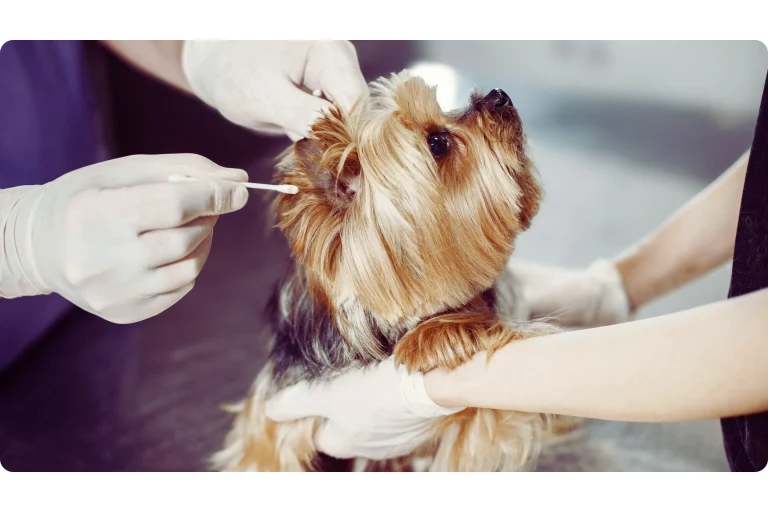
Regular ear checks help prevent infections, especially in dogs with floppy or hairy ears. Use vet-approved cleaners and avoid inserting cotton swabs deep into the ear canal.
These simple habits reduce stress and support your dog’s overall hygiene and comfort.
Monitor for Skin Changes
Early detection is key to preventing more serious problems.
- Redness, Patches, or Dandruff
These may signal allergies, infections, dryness, or parasites. - When to See a Veterinarian
Seek veterinary care if you notice persistent itching, open sores, hair loss, foul odor, or any skin change that doesn’t improve within a few days.
Regular monitoring ensures your dog gets timely treatment and avoids complications.
Safe Home Environment Tips for Better Coat & Skin Health
Creating a healthy home environment is just as important as regular grooming. Small adjustments around your home can significantly improve your dog’s skin comfort, reduce irritation, and keep their coat in top condition.
Keep Bedding Clean and Allergen Free
Your dog spends a large portion of their day resting, so keeping their environment clean helps protect their skin.
- Regular Washing
Wash your dog’s bedding weekly to remove dirt, bacteria, dust mites, and allergens that can irritate the skin. - Hypoallergenic Fabrics
Choose bedding made from breathable, hypoallergenic materials to reduce itchiness and prevent skin flare ups.
Clean bedding supports better hygiene and minimizes exposure to irritants.
Avoid Overbathing and Harsh Grooming Practices
Too much grooming can harm your dog’s skin.
- Dangers of Stripping Natural Oils
Frequent or improper bathing can remove the protective oils that keep the skin moisturized and the coat shiny, leading to dryness and itching. - Signs of Irritation from Products
Watch for redness, excessive scratching, flakiness, or discomfort after grooming these could indicate a reaction to a shampoo or conditioner.
Stick with gentle, vet approved grooming products and follow a reasonable bathing schedule to protect the skin barrier.
Use Humidifiers During Dry Weather
Indoor environments can dry out your dog’s skin, especially in colder months.
- Helps Prevent Flakiness and Dry Skin
A humidifier adds moisture to the air, reducing dryness that often leads to dandruff, itchiness, and irritated skin.
This simple home adjustment can make a noticeable difference in skin comfort year round.
Start Today: Simple, Safe Ways to Maintain Your Dog’s Coat and Skin Health
Maintaining your dog’s coat and skin health doesn’t have to be complicated what matters most is consistency.
With routine grooming, proper nutrition, and a clean, supportive home environment, you can significantly improve your dog’s comfort and reduce the risk of long term skin or coat problems.
Gentle, safe practices like regular brushing, using vet-approved products, feeding a balanced diet, and monitoring your dog’s skin for changes all play a vital role in their overall well being.
By taking small steps every day, you support healthier skin, a shinier coat, and a happier, more comfortable dog.
Begin building a healthy grooming routine today and contact your veterinarian if you notice any changes in your dog’s coat or skin.