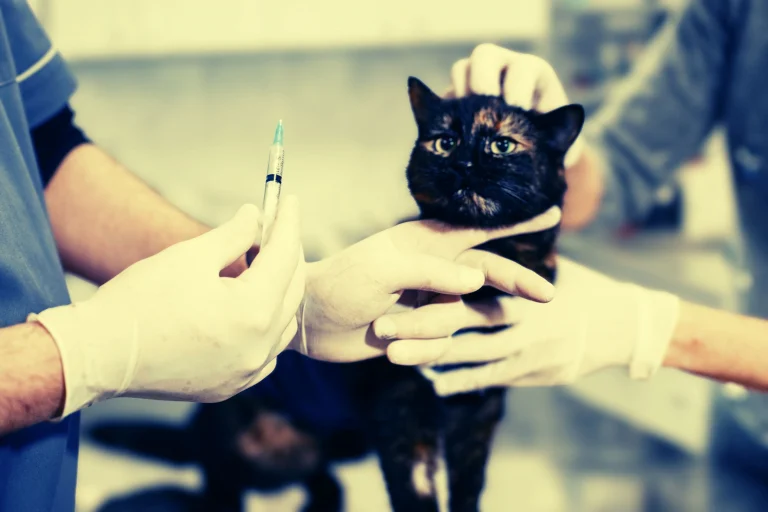
Vaccinations are a cornerstone of preventive pet care, protecting dogs and cats from a range of serious, often life threatening diseases.
Following a proper vaccination schedule for dogs and cats ensures that pets develop strong immunity at the right time, reducing the risk of illness and preventing potential outbreaks within households or communities.
Pet vaccinations not only safeguard individual animals but also play a crucial role in public health by controlling the spread of infectious diseases.
From core vaccines that protect against common viruses and bacteria to non core vaccines tailored to specific lifestyles or geographic risks, a structured immunization plan keeps pets healthy throughout their lives.
This article provides a comprehensive, vet approved guide to dog and cat immunizations, including the timing of each vaccine, their purposes, and how they contribute to overall wellbeing.
By understanding and adhering to recommended vaccination schedules, pet owners can make informed decisions that support long term health, strengthen their pets’ immune systems, and reinforce responsible preventive pet care practices.
Understanding Pet Vaccinations

Vaccines are biological preparations that stimulate a pet’s immune system to recognize and fight specific diseases. By introducing a harmless component of a
virus or bacterium, vaccines “train” the immune system to respond quickly and effectively if the pet is exposed to the actual pathogen.
Regular immunizations are critical for both dogs and cats, as they provide long term protection against potentially life threatening illnesses and help prevent the spread of disease in communities.
Vaccines are generally classified into core and non core categories.
Core vaccines are recommended for all pets due to the severity and prevalence of the diseases they prevent.
Non core vaccines are given based on a pet’s lifestyle, geographic location, or exposure risk.
Following a proper vaccination schedule ensures that pets receive the right vaccines at the optimal age and frequency, maximizing immunity and overall health.
Core Vaccines for Dogs
- Rabies: Protects against the fatal viral infection that can affect pets and humans.
- Distemper, Parvovirus, Adenovirus: Combines protection against several highly contagious and potentially deadly diseases.
Core Vaccines for Cats
- Rabies: Prevents the deadly virus with zoonotic potential.
- Feline Panleukopenia, Calicivirus, Rhinotracheitis: Safeguard against severe viral infections that can cause vomiting, respiratory illness, and immune suppression.
Non-Core Vaccines
- Dogs: Lyme disease, Bordetella (kennel cough) vaccines may be recommended depending on exposure risks.
- Cats: Feline Leukemia vaccine is suggested for outdoor or at risk cats.
Understanding the distinction between core and non core vaccines helps pet owners make informed decisions and maintain comprehensive dog and cat immunizations for lifelong health.
Recommended Vaccination Schedule
Following a structured vaccination schedule for dogs and cats ensures pets develop immunity at the right time and maintain protection throughout their lives.
Puppies and kittens require a series of vaccinations to build strong immunity, while adult pets need regular boosters to sustain it.
Puppy Vaccination Timeline
- 6–8 weeks: Puppies receive their first doses of Distemper and Parvovirus vaccines to protect against highly contagious and potentially deadly diseases.
- 10–12 weeks: A second dose of core vaccines is administered to strengthen immunity. At this stage, optional non core vaccines such as Bordetella or Lyme disease may be given depending on the puppy’s lifestyle or exposure risk.
- 16 weeks: The final core vaccines are administered, including Rabies, ensuring full protection before the puppy reaches adulthood.
Kitten Vaccination Timeline

- 6–8 weeks: Kittens receive their first Feline Panleukopenia (distemper) vaccine.
- 10–12 weeks: The second dose of core vaccines is given, with optional non core vaccines such as Feline Leukemia recommended for at risk cats.
- 16 weeks: The final core vaccines, including Rabies, are administered to complete the initial series and provide lasting immunity.
Adult Dogs and Cats
Adult pets require annual boosters to maintain immunity against core diseases. In some cases, veterinarians may recommend titers, which are blood tests that measure antibody levels to determine if a booster is needed.
Special considerations are also made for senior pets, whose immune systems may be weaker, requiring careful monitoring and sometimes additional or adjusted vaccinations.
Adhering to this vaccination timeline not only protects individual pets but also contributes to community health by reducing the risk of disease outbreaks, supporting comprehensive dog and cat immunizations for lifelong wellbeing.
Signs Your Pet Needs Vaccination Updates
Keeping your pet’s vaccinations up to date is essential for protecting them from preventable diseases.
While a structured vaccination schedule provides a roadmap, it’s equally important for pet owners to recognize when boosters are due or if a pet has fallen behind.
Timely updates ensure ongoing immunity and reduce the risk of serious illness.
Tracking Vaccination Records
One of the easiest ways to stay on top of vaccinations is by maintaining a printed or digital log of all past vaccines and booster dates.
Many veterinary clinics offer reminder services via phone, email, or mobile apps to notify you when your pet is due for their next shot.
Regularly reviewing these records helps prevent missed doses and keeps both dogs and cats protected.
Risk Factors for Missing Vaccines
Certain situations increase the likelihood that a pet may be overdue for vaccinations. Outdoor pets are exposed to more potential sources of infection and require consistent protection.
Multi-pet households also increase the risk of disease transmission, making timely immunizations even more critical.
Additionally, pets that travel frequently or stay in boarding facilities often must provide proof of up to date vaccines to ensure the safety of all animals in shared environments.
By staying vigilant and using reminders or logs to monitor immunization status, pet owners can ensure their dogs and cats remain fully protected.
Keeping vaccines current is a vital part of preventive pet care and contributes to a long, healthy life for your furry companions.
Preparing Your Pet for Vaccinations
Ensuring a smooth and stress free vaccination experience helps your pet feel more comfortable and allows the veterinarian to provide care efficiently.
Proper preparation can reduce anxiety for both pets and owners while supporting safe and effective immunization.
Health Check Before Vaccination
Before any vaccination, it’s important to make sure your pet is healthy and free from infections or other illnesses. Sick or stressed animals may not respond well to vaccines, and their immune systems could be compromised.
A brief checkup with your veterinarian helps ensure that your pet is fit for vaccination and allows the vet to address any concerns beforehand.
Comfort and Stress Reduction
Vaccination visits can be stressful, especially for young or anxious pets. Use gentle handling and a calm demeanor to reassure your pet throughout the process.
Bringing treats or favorite toys can help distract and reward them, while slow petting or familiar scents may provide additional comfort. For particularly nervous pets, ask your vet about calming techniques or mild sedatives if appropriate.
Post Vaccination Care
After vaccination, monitor your pet for mild reactions, such as temporary lethargy, mild swelling at the injection site, or slight soreness. These reactions are typically short lived.
However, if your pet exhibits severe reactions including difficulty breathing, vomiting, or extreme swelling contact your veterinarian immediately.
Observing your pet closely after vaccination ensures prompt action and peace of mind, supporting safe and effective dog and cat immunizations.
Preventive Care Beyond Vaccinations
While vaccinations are crucial for protecting pets from serious diseases, comprehensive preventive pet care involves additional measures that
enhance immunity and promote overall wellbeing. Combining proper nutrition, regular veterinary visits, and a safe living environment helps dogs and cats stay healthy and resilient against infections.
Nutrition and Supplements
A high quality diet provides essential nutrients that support a strong immune system and maintain healthy skin, coat, and organ function.
Supplements such as Omega 3 fatty acids and multivitamins can further enhance immunity, reduce inflammation, and support overall vitality.
Ensuring pets receive balanced nutrition tailored to their age, size, and health status is a fundamental component of preventive care.
Regular Vet Checkups
Routine veterinary visits go beyond vaccinations. Regular wellness exams allow vets to detect early signs of illness, monitor chronic conditions, and recommend preventive treatments.
Parasite control and dental care are also critical aspects of these checkups, as infections from parasites or oral disease can compromise immunity and overall health.
Consistent monitoring helps maintain peak health throughout your pet’s life.
Safe Living Environment
Limiting exposure to sick animals and maintaining clean bedding and living areas reduces the risk of contagious diseases.
Proper sanitation, regular cleaning, and minimizing contact with potentially infected animals help reinforce the protective benefits of vaccinations and prevent unnecessary health risks.
By integrating nutrition, routine veterinary care, and a safe environment with timely dog and cat immunizations, pet owners can ensure their furry companions enjoy a long, healthy, and protected life.
Final Thoughts on the Vaccination Schedule for Dogs and Cats
Following a proper vaccination schedule for dogs and cats is one of the most important steps pet owners can take to safeguard their pets’ health.
Vaccines protect against serious, potentially life threatening diseases, strengthen immunity, and help prevent the spread of infections within households and communities.
By adhering to recommended schedules, both puppies and kittens and adult pets receive timely protection that supports lifelong wellbeing.
Maintaining up to date vaccination records is essential for ensuring that boosters are administered on time and that your veterinarian has accurate information to guide care.
Coupled with regular veterinary visits, a balanced diet, and preventive measures such as parasite control and proper hygiene, vaccinations form the foundation of comprehensive preventive pet care.
Every pet’s needs may vary based on age, lifestyle, and health conditions, so consulting your veterinarian ensures a personalized approach.
Staying proactive and attentive to your dog or cat’s vaccination requirements not only protects them from illness but also contributes to a longer, healthier, and happier life.