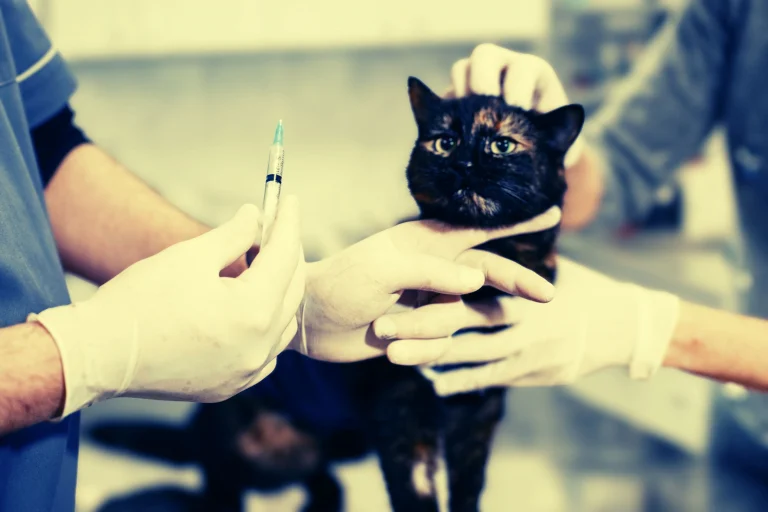
Maintaining proper pet dental care and gum disease prevention is essential for the overall health and wellbeing of dogs and cats.
Poor oral hygiene can lead to painful gum disease, tooth loss, bad breath, and even infections that affect vital organs like the heart, kidneys, and liver.
Just as humans benefit from regular brushing and dental checkups, pets require consistent attention to their oral health to prevent these serious complications.
Oral care for pets not only ensures a healthy mouth but also enhances their quality of life by reducing pain, discomfort, and difficulty eating.
Regular brushing, veterinary cleanings, and preventive strategies are key components of dog and cat dental hygiene, helping to keep teeth and gums strong while avoiding costly treatments for advanced dental disease.
This article offers a comprehensive, vet-approved guide on maintaining optimal oral health for your pets.
From identifying early signs of dental issues to practical daily care routines and professional treatments, you’ll learn how to protect your furry companion from dental problems and support their overall health through effective preventing gum disease in pets.
Understanding Pet Oral Health
Proper oral care for pets starts with understanding the structure and function of their teeth and gums. Dogs and cats have specialized teeth designed for biting, tearing, and chewing, supported by strong gums that hold teeth in place.
Just like humans, pets are prone to dental problems when plaque and tartar accumulate, which can lead to gum inflammation and more serious infections if untreated.
Common dental problems in pets include gingivitis and periodontitis, which are forms of gum disease causing redness, swelling, and discomfort.
Tartar buildup and plaque can harbor bacteria that damage teeth and gums over time.
Additionally, pets may experience tooth fractures or abscesses, often due to chewing on hard objects or trauma, which can be painful and require veterinary intervention.
Certain risk factors increase the likelihood of gum disease in pets. Age plays a major role, as older animals are more prone to oral health issues, and some breeds, such as small dogs or brachycephalic cats, are genetically predisposed.
Diet and chewing habits also affect dental health; soft foods and lack of chewing toys can accelerate plaque formation.
Most importantly, lack of regular dental care, including brushing and professional cleanings, allows problems to develop unnoticed.
Understanding these factors highlights the importance of proactive dog and cat dental hygiene and consistent preventing gum disease in pets, ensuring a healthier mouth and overall wellbeing for your furry companions.
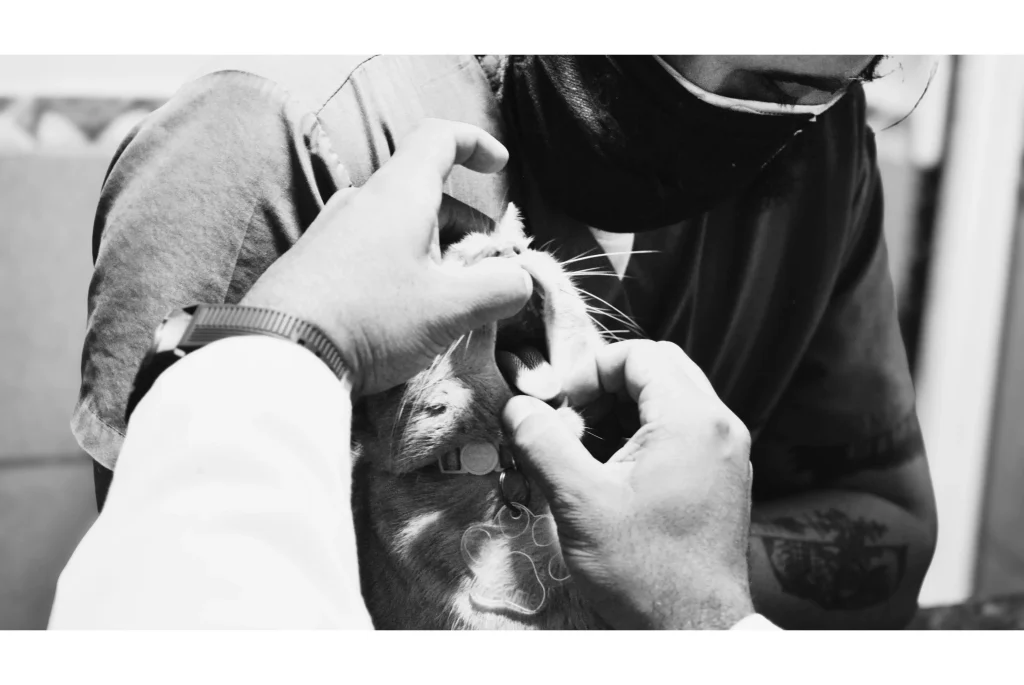
Essential Pet Dental Care Practices
Maintaining optimal dog and cat dental hygiene requires a combination of daily at-home care and periodic professional attention.
Establishing consistent routines helps prevent gum disease, tooth decay, and other oral health issues, improving your pet’s comfort and overall wellbeing.
Brushing Your Pet’s Teeth
Regular brushing is the most effective way to control plaque and tartar buildup. Ideally, pets’ teeth should be brushed daily, or at least several times a week, using a pet specific toothbrush and toothpaste.
Human toothpaste is toxic to pets and should never be used. Start slowly, allowing your pet to get accustomed to the sensation, and use gentle circular motions along the gum line to remove debris. Over time, consistent brushing can significantly reduce the risk of gingivitis and periodontitis.
Chew Toys and Dental Treats
Dental chews and toys provide mechanical cleaning as pets chew, helping to scrape away plaque and massage gums. For dogs, rubber chew toys or specially designed dental chews can be effective.
For cats, soft dental treats or edible toys that encourage chewing are safer options. Always ensure that toys are appropriately sized and non toxic to prevent choking hazards or ingestion of harmful materials.
Professional Dental Cleaning
Even with diligent home care, professional dental cleanings are recommended at least once a year, or as advised by your veterinarian. These cleanings are often performed under anesthesia, allowing thorough scaling and polishing that cannot be achieved at home.
While anesthesia carries some risks, especially for senior pets, the benefits such as preventing severe dental disease, infections, and tooth loss typically outweigh the concerns.
Regular professional care combined with daily maintenance ensures the best protection against gum disease in pets and supports long-term oral health.
Signs of Gum Disease in Pets
Recognizing the early signs of gum disease in pets is crucial for timely intervention and preventing more serious oral health problems.
Pet owners should regularly check their pets’ mouths for changes in gums, teeth, and chewing behavior to detect issues before they escalate.
Early Warning Signs

One of the first noticeable indicators is bad breath (halitosis), which often signals bacterial buildup in the mouth. Red, swollen, or bleeding gums are also common early signs, reflecting inflammation from plaque and tartar accumulation.
Pets may show subtle discomfort when eating, such as difficulty chewing, dropping food, or avoiding harder treats. Catching these signs early allows for preventive care, like brushing or professional cleaning, to halt the progression of gum disease.
Advanced Symptoms
If left untreated, gum disease can progress to more severe stages. Loose or missing teeth indicate significant periodontal damage and may cause pain while eating.
Pets may exhibit pain or pawing at the mouth as they attempt to alleviate discomfort. Behavioral changes, including irritability, decreased appetite, or lethargy, can also emerge as a response to chronic oral pain.
By closely observing these early and advanced symptoms, pet owners can seek veterinary care promptly, preventing tooth loss, infections, and systemic health complications.
Early detection and intervention are key components of effective dog and cat dental hygiene and long-term oral care for pets.
Nutrition and Lifestyle Tips for Oral Health
Diet and lifestyle play a vital role in maintaining dog and cat dental hygiene and preventing gum disease in pets. The right nutrition, adequate hydration, and regular veterinary monitoring work together to keep teeth and gums healthy throughout your pet’s life.
Choosing the Right Diet
The type of food your pet eats can influence oral health. Dry kibble tends to help mechanically reduce plaque buildup due to its abrasive texture, while wet food can stick to teeth and may require more diligent brushing.
Some pet foods are specially fortified for dental health, containing additives that reduce tartar formation and support gum health. Selecting a diet appropriate for your pet’s age, breed, and health status contributes significantly to long-term oral care.
Hydration and Saliva Production
Adequate water intake is essential for oral health, as it helps rinse away food particles and bacteria. Some supplements, such as oral gels or enzymatic additives, can further enhance saliva production and reduce plaque accumulation.
Encouraging regular drinking and offering water in multiple locations can improve both hydration and natural cleaning mechanisms.
Regular Vet Checkups
Routine veterinary visits allow for periodic oral exams, helping detect early signs of dental disease before they become serious.
Your vet can monitor plaque buildup, gum inflammation, and overall oral health, recommending preventive treatments such as professional cleanings or dietary adjustments.
Combining proper nutrition, hydration, and consistent veterinary care ensures comprehensive oral care for pets, reducing the risk of gum disease and supporting overall health.
Protect Your Pet’s Smile: Dental Care and Gum Disease Prevention
Maintaining proper pet dental care and gum disease prevention is essential not only for a healthy mouth but also for your pet’s overall wellbeing. Poor oral hygiene can lead to painful gum disease, tooth loss, and even systemic health problems affecting the heart, kidneys, and liver.
By implementing consistent oral care routines, you can help your dog or cat stay comfortable, eat easily, and enjoy a higher quality of life.
Daily practices such as brushing teeth, providing safe chew toys, and offering dental treats play a significant role in keeping plaque and tartar under control.
Regular monitoring for early signs of gum disease like bad breath, red or swollen gums, or difficulty chewing ensures that issues are addressed before they escalate.
Additionally, professional veterinary checkups and cleanings are vital for thorough care and prevention of advanced dental disease.
By combining home care, proper nutrition, and routine veterinary attention, pet owners can protect their furry friends from pain, infections, and complications related to poor oral health.